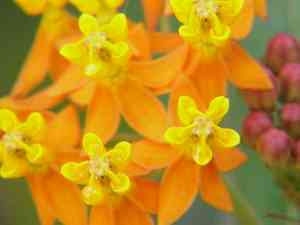
California milkweed (Asclepias californica)
Also known as: California Milkweed
Monarch butterfly caterpillars consume milkweed, which contains toxic substances in its milky sap. These toxins are retained in the caterpillars' bodies, making them taste unpleasant and deterring predators from eating them. While the plant's toxins can be neutralized through proper cooking, in their raw form, they provide effective protection for the caterpillars.
In This Article
Attributes of California milkweed
Lifespan
Perennial
Plant Type
Herb
Plant Height
91 cm
Spread
90 cm
Leaf Color
Gray-green
Flower Size
1.1 cm to 1.8 cm
Flower Color
Pink Purple Brown
Images of California milkweed
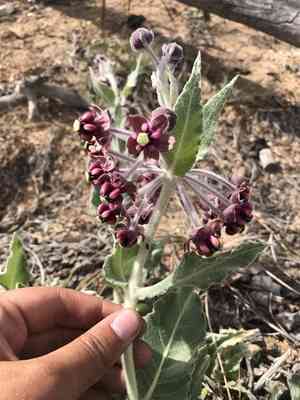
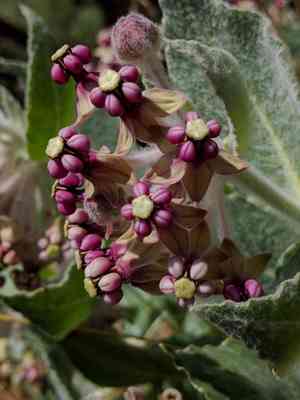
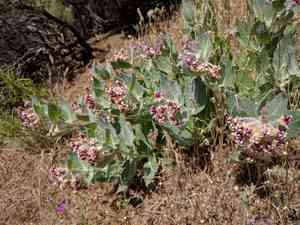
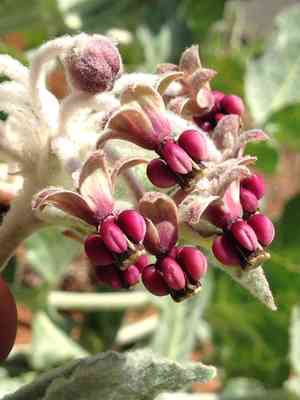
Quickly Identify California milkweed
1
Look for its woolly, gray-green leaves and distinctive umbels of purple flowers. The plant typically grows in chaparral and woodland areas, blooming from April to July.
Scientific Classification of California milkweed
Phylum
Vascular plants
Class
Dicotyledons
Order
Gentianales
Family
Dogbane
Genus
Milkweeds
Species
California milkweed
Planting and Growing of California milkweed
Care Difficulty
Easy
Watering Schedule
Every 2 days
Sunlight Requirements
Full sun
Sunshine Duration
6-8 hours
Ideal Temperature
65-75℉
Soil Type
Potting Mix, Peat Mix
Soil pH
6.5-7.5
Fertilizer Type
Balanced
Pruning Season
Spring, Summer
Pruning Area
Branches, Leaves
Pruning Frequency
2 times a year
Repotting Season
Spring
Pot Type
Plastic, Ceramic
 How to Water California milkweed?
The watering amount for Asclepias californica should be moderate, about 500 ml each time. The main principle is to ensure that the soil is evenly moist but not waterlogged. Allow the top inch of soil to dry out between waterings to avoid root rot.
What are the symptoms of an underwatered California milkweed?
›
What should I do if my California milkweed is not getting enough water?
›
What are the symptoms of an overwatered California milkweed?
›
How to save an overwatered California milkweed?
›
 What Are the Sunlight Requirements for California milkweed?
Partial to full sun allows Asclepias californica to flourish, producing vibrant flowers and healthy foliage, pivotal for its role in supporting pollinators effectively.
More About Sunlight Requirements Techniques→
What is the best light condition?
›
How can I achieve this ideal lighting?
›
What are the benefits of optimal lighting?
›
 What Is the Ideal Temperature Range for California milkweed?
The ideal temperature range for Asclepias californica is between 65°F and 75°F. This range is optimal for their growth, allowing the plant to efficiently perform photosynthesis and access necessary nutrients. Ensuring this range helps prevent stress and allows for robust plant development.
 What Soil is Best for California milkweed?
Asclepias californica thrives in well-drained soil, preventing waterlogging and root rot. This enhances root oxygenation, promoting vigorous growth and sustained flowering. This plant benefits from nutrient-rich soil that supports its growth cycle. Balanced nutrients like nitrogen and phosphorus are crucial for healthy foliage and flower production. Incorporating moderate organic matter improves soil structure and moisture retention. This is beneficial for Asclepias californica, ensuring steady nutrient supply and resisting erosion.
 How to Fertilize California milkweed?
Asclepias californica, commonly known as California milkweed, requires a balanced and minimal fertilizer approach due to its adaptation to nutrient-poor soils. Use a diluted liquid fertilizer at a quarter strength, focusing on essential nutrients without overwhelming the plant’s natural delicate balance.
 How to Prune California milkweed?
In early spring or autumn, use clean pruning shears to cut back Asclepias californica by about one-third of its height. This encourages bushier growth and supports the plant’s natural lifecycle, ensuring that it maintains a healthy structure. Remove any dead or diseased stems to promote more vigorous renewal. Pruning off faded flowers or seed pods will prevent excessive self-seeding and keep the plant tidy. Cut back spent flower stalks down to the nearest set of healthy leaves. This will help in redirecting the plant’s energy towards root and stem development rather than seed production.
More About Pruning Techniques→
 How to Propagate California milkweed plant?
1
Use a well-draining potting mix suitable for milkweed species. Sterilize it to eliminate any pathogens or weed seeds that might hinder seed growth.
2
Scatter the Asclepias californica seeds evenly over the soil surface, and lightly cover them with a thin layer of soil. Ensure they are not buried too deep as this can prevent germination.
3
Gently water the seeded trays with a spray bottle to keep the soil consistently moist but not waterlogged. Regularly check the humidity levels and use a humidity dome if necessary.
 How to Repot California milkweed plant?
1
Repot your Asclepias californica when you notice roots poking out the drainage holes, growth has slowed significantly, or the plant appears to be top-heavy. The best time to repot is during the active growth phase in spring or early summer, as this encourages quicker adaptation to the new pot.
2
Select a pot that is only one size larger than the current one to avoid waterlogging and encourage healthy root growth. Ensure it has drainage holes to prevent water accumulation, which can cause root rot. Terra cotta pots are ideal as they allow excess moisture to evaporate, benefiting the plant's growth.
3
Use a well-draining cactus mix enriched with perlite or sand. This mixture ensures air circulation and avoids water retention, which is crucial for preventing root rot. A proper soil mix facilitates robust root development and keeps your plant healthy post-repotting.
Toxicity
Ingestion
WARNING
The judgment on toxicity and danger is for reference only. We DO NOT GUARANTEE any accuracy of such judgment. Therefore, you SHALL NOT rely on such judgment. It is IMPORTANT TO SEEK PROFESSIONAL ADVICE in advance when necessary.
Learn More About California milkweed Diseases
Anthracnose
Bacterial Leaf Spot
Bacterial Wilt
Crown Gall
Cyst Nematode
Damping-off
Downy Mildew
Drought Stress
Fusarium Wilt
Gray Mold
Leaf Curl
Leaf Spot
Mosaic
Nutrient Deficiency
Nutrient Toxicity
Powdery Mildew
Root Rot
Root-knot Nematode
Rusts
Sooty Mold
Spider Mites
Temperature Stress
Thrips Damage
White Mold



