Enhancing Your Garden Design with the California milkweed Plant: A Landscaping Guide
1
California milkweed, a native species, is vital for local ecosystem health.
2
Choosing a sunny spot is essential for California milkweed to thrive in your garden.
3
Incorporating California milkweed alongside other suitable plants can boost your landscape's biodiversity.
Exploring the Contribution of California Milkweed to Garden Design
Aesthetic appeal and natural charm of California milkweed
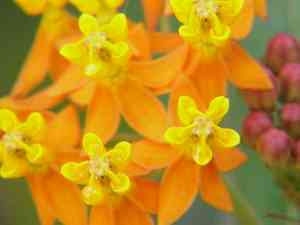
California milkweed introduces a distinctive and appealing visual element to any garden or outdoor space. Its unique characteristics impart a natural allure and are particularly valued for their beauty. The plant's vibrant blossoms can infuse color into any environment, making it a preferred choice for gardeners aiming to enhance their outdoor areas. Its attractive appearance can serve as a focal point or an enriching addition to existing plant arrangements, harmonizing beautifully with diverse landscaping styles.
Advantages of California milkweed in supporting ecosystems
California milkweed plays a crucial role in sustaining local ecosystems. As an indigenous plant, it provides vital resources such as nectar and habitat for pollinators like butterflies and bees. This ecological contribution helps support wildlife and ensures the vitality and sustainability of your garden. Furthermore, by cultivating California milkweed, you foster biodiversity and aid in the preservation of local flora and fauna. It also contributes to maintaining soil health and preventing erosion, making it a beneficial addition to any garden.
Selecting the Ideal Spot for California Milkweed
Sunlight requirements for California milkweed
California milkweed flourishes in areas that receive ample sunlight for the majority of the day. When choosing a planting site, ensure the location gets at least 6-8 hours of direct sun exposure. Sufficient sunlight is vital for the plant's development and blooming. Insufficient light can result in stunted growth and a lack of flowers. Therefore, consider planting California milkweed in open garden areas where it can soak up the sun, promoting optimal growth and health.
Soil preferences and drainage considerations
California milkweed favors well-drained soils that do not retain excessive moisture. It thrives in sandy or loamy soils with good drainage capabilities. When planting California milkweed, assess the soil conditions and select a spot where water does not accumulate or stand. You might need to amend heavy clay soils with sand or organic matter to improve drainage. Proper soil conditions ensure the plant's roots remain healthy and reduce the risk of root rot and other water-related issues.
Integrating California Milkweed with Other Plants
Companion plants for California milkweed
When planning your landscape, consider pairing California milkweed with other plants that thrive in similar conditions. Plants that require full sun and well-drained soils make excellent companions. Examples include grasses, other native wildflowers, and drought-tolerant perennials. The combination of different textures, heights, and colors can create a visually appealing and harmonious garden space. Additionally, selecting plants that bloom at various times can ensure a continuous display of color throughout the growing season.
Designing for biodiversity with California milkweed
Incorporating California milkweed into your landscape design can significantly boost biodiversity. Including a variety of plants helps create a habitat that supports different types of wildlife, such as pollinators, birds, and small mammals. A diverse garden is more resilient to pests and diseases and requires fewer chemical interventions. Planting California milkweed alongside other native species promotes a balanced and healthy ecosystem. Aim to create layered planting designs, with California milkweed positioned among other plants that provide food and shelter for various wildlife throughout the year.
Care Guidelines for California Milkweed in Gardens
Watering schedules for optimal growth
While California milkweed is relatively drought-tolerant once established, it's crucial to provide consistent watering, especially during its initial growing season. A thorough watering once a week should be enough to keep the soil moist but not waterlogged. During hot and dry periods, you might need to water more frequently. Mulching around the plant's base can help retain soil moisture and reduce the need for frequent watering. Ensure the soil has dried out somewhat between waterings to prevent root rot.
Seasonal care tips for California milkweed
Seasonal care routines for California milkweed involve pruning, fertilizing, and monitoring for pests. In late winter or early spring, trim any dead or damaged stems to encourage healthy new growth. Applying a balanced, slow-release fertilizer in spring can support vigorous growth and flowering. Regularly check the plant for signs of pests or diseases and take appropriate action if necessary. As California milkweed approaches dormancy in late fall, reduce watering frequency and prepare the plant for winter by applying a protective mulch layer.
Common Issues and Solutions When Cultivating California Milkweed
Addressing typical pests and diseases
California milkweed may encounter challenges from pests like aphids and caterpillars or diseases such as mold and mildew. Regularly inspect the plant for any indications of infestation or illness. Natural predators like ladybugs can help manage aphid populations. In cases of severe infestations, you might need to use insecticidal soap or neem oil. Ensuring good air circulation around the plant can prevent mold and mildew. Promptly remove any infected plant parts to halt the spread of diseases.
Advice for resolving poor growth
If you observe that California milkweed is not developing as expected, assess its growing conditions. Common problems can include inadequate soil drainage, insufficient sunlight, or nutrient deficiencies. Conduct a soil test to check for necessary nutrients and amend the soil accordingly. Adjust watering practices to ensure the soil remains suitably moist. If sunlight is insufficient, consider relocating California milkweed to a sunnier spot. Addressing these factors can help revitalize the plant and promote healthy growth.



