How to Prune Watson's dutchman's pipe?
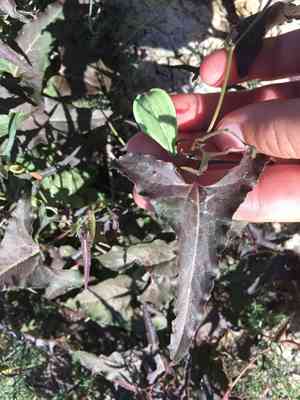
Aristolochia watsonii is a unique, climbing plant recognized by its peculiar, pipe-like blossoms. Trimming should occur in late winter or early spring, coinciding with the plant's inactive period. Cut away any lifeless or feeble stems to foster robust new growth and preserve its form. Do not remove more than one-third of the plant to prevent undue strain. Consistent trimming stimulates strong development and boosts bloom production, leading to a healthier and more attractive specimen.
What Are the Benefits of Pruning Watson's Dutchman's Pipe?
What Are the Benefits of Pruning Watson's Dutchman's Pipe?
Trimming watson's dutchman's pipe encourages robust development and maintains its form. It manages size, fosters healthy growth, boosts blooming, and lowers pest and disease risks, enhancing its overall look and vigor.
What Is the Best Time for Pruning Watson's Dutchman's Pipe?
What Is the Best Time for Pruning Watson's Dutchman's Pipe?
Trimming watson's dutchman's pipe in late winter or early spring coincides with its dormant phase, minimizing stress and promoting strong growth. This timing also ensures pruning doesn't disrupt its flowering cycle, which typically starts later in the season. Pruning during these periods helps improve air circulation, reduce disease risk, and maintain a healthy structure, ensuring watson's dutchman's pipe's vigorous growth and optimal health.
What Tools Do I Need to Prune Watson's Dutchman's Pipe?
Bypass Pruners
For neat, accurate cuts on young stems and smaller branches up to ¾ inches in diameter. Bypass pruners minimize harm and promote faster recovery.
Anvil Pruners
Suitable for cutting older, tougher stems. The anvil mechanism crushes and severs thicker growth but may cause more plant stress than bypass pruners.
Pruning Shears/Scissors
Perfect for delicate trimming tasks, such as shaping and snipping smaller shoots without causing significant damage.
Loppers
Useful for cutting through medium-sized branches too thick for pruners but not large enough for a saw. Loppers offer extra leverage.
Pruning Saw
Essential for cutting larger branches that cannot be managed with pruners or loppers. A pruning saw is designed to make clean cuts with minimal effort.
How to Prune Watson's Dutchman's Pipe
Select tools
Utilize clean, sharp pruning shears to ensure precise cuts and minimize damage to watson's dutchman's pipe.
Identify parts
Carefully inspect watson's dutchman's pipe and locate diseased and withered leaves. Diseased leaves often show discoloration or spots, while withered leaves appear dry and brittle.
Cut diseased
Remove diseased leaves close to the base or where they connect to the main stem, ensuring all infected parts are gone to prevent disease spread.
Trim withered
Snip withered leaves at the point where they meet healthy tissue to encourage new growth.
Dispose
Properly discard all trimmed plant material. Do not compost diseased leaves; instead, place them in a sealed bag and dispose to prevent spreading pathogens.
Common Pruning Mistakes with Watson's Dutchman's Pipe
Over-pruning
Cutting back too much of watson's dutchman's pipe can stress the plant, hindering its growth and reducing flowering. This is particularly problematic if large sections of healthy foliage are removed.
Incorrect Timing
Pruning at the wrong time can disrupt the growth cycle of watson's dutchman's pipe and potentially expose the plant to disease or pests.
Improper Cutting Technique
Using dull or dirty tools can create ragged cuts, increasing the risk of infection. Similarly, cutting too close to a node or bud can damage new growth.
Neglecting Diseased or Dead Parts
Failing to remove dead or diseased stems can allow issues to spread, compromising the plant's overall health.
Uneven Pruning
Pruning unevenly can lead to an unbalanced plant structure, which may affect its stability and aesthetic appeal.
Common Pruning Tips for Watson's Dutchman's Pipe
Use Sharp, Clean Tools
Always use sharp, sterilized pruning shears to make clean cuts, reducing the risk of infection and encouraging quick healing.
Remove Dead or Diseased Stems First
Start by cutting away any dead or diseased sections of watson's dutchman's pipe to prevent problems from spreading and ensure healthy growth.
Make Precise Cuts
When cutting, ensure you prune just above a node or bud to encourage healthy new growth. Avoid cutting too close to prevent damage.
Gradual Trimming
Instead of drastic cuts, opt for gradual trimming throughout the season to maintain the plant's health and shape.
Maintain Balance
Strive for a balanced appearance by pruning evenly around watson's dutchman's pipe, ensuring no section is overly pruned compared to others.



