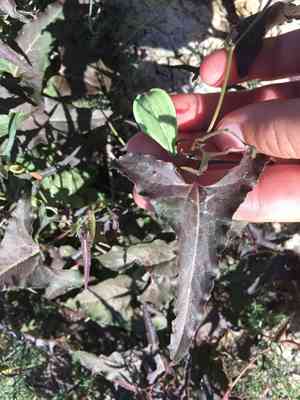
Watson's dutchman's pipe (Aristolochia watsonii)
Also known as: Southwestern pipevine
Watson's dutchman's pipe, a distinctive perennial, features twisting vines adorned with heart-shaped leaves. Its unique, pipe-like flowers, marked by deep purplish-brown hues and intricate patterns, resemble Dutchman's pipes and play a vital role in attracting specific pollinators. This plant flourishes in arid to semi-arid environments, commonly found along washes or in limestone-rich soils. It often climbs over other vegetation to reach sunlight, utilizing its twining growth habit.
In This Article
Attributes of Watson's dutchman's pipe
Lifespan
Perennial
Plant Height
0 mm to 30 cm
Spread
N/A - Vine-like plant
Leaf Color
Green
Flower Size
1-2 inches (2.5-5 cm)
Flower Color
Brownish-purple
Images of Watson's dutchman's pipe
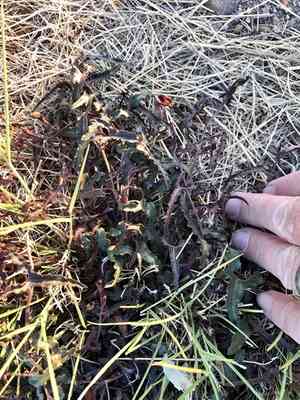
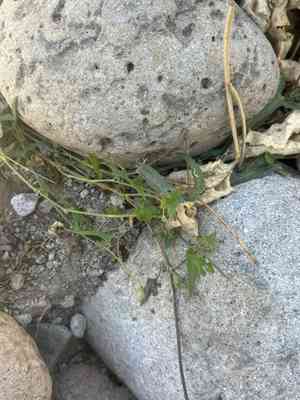
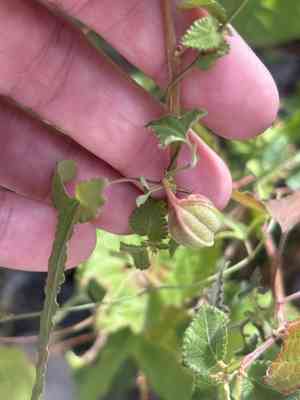
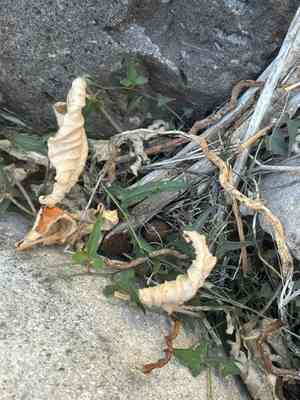
Quickly Identify Watson's dutchman's pipe
1
Identifying Aristolochia watsonii can be done by looking for its heart-shaped leaves and distinctive, tubular flowers with a swollen base and a narrow, curved neck. The flowers are typically brownish-purple.
Scientific Classification of Watson's dutchman's pipe
Phylum
Vascular plants
Class
Dicotyledons
Order
Piperales
Family
Birthwort
Genus
Aristolochia
Species
Watson's dutchman's pipe
Planting and Growing of Watson's dutchman's pipe
Care Difficulty
Hard
Watering Schedule
Every 2 days
Sunlight Requirements
Full sun
Sunshine Duration
6-10 hours
Ideal Temperature
60-80℉
Soil Type
Potting Mix, Peat Mix
Soil pH
6.5-7.5
Fertilizer Type
Balanced
Pruning Season
Spring, Summer
Pruning Area
Leaves, Branches
Pruning Frequency
2 times a year
Repotting Season
Spring
Pot Type
Plastic, Ceramic
 How to Water Watson's dutchman's pipe?
When watering Aristolochia watsonii, ensure that the soil is moistened evenly but not waterlogged. Apply approximately 250 ml of water per session, depending on the size of the pot and soil drainage. Always check the top 1-2 inches of soil to make sure it has started to dry before watering again, as this plant prefers moderate moisture rather than saturation.
What are the symptoms of an underwatered Watson's dutchman's pipe?
›
What should I do if my Watson's dutchman's pipe is not getting enough water?
›
What are the symptoms of an overwatered Watson's dutchman's pipe?
›
How to save an overwatered Watson's dutchman's pipe?
›
 What Are the Sunlight Requirements for Watson's dutchman's pipe?
Aristolochia watsonii flourishes in environments receiving full to partial sun, ideally six to eight hours of direct light per day. This light ensures optimal growth, supporting its desert adaptations while fostering robust health and biodiversity.
What type of sunlight does Aristolochia watsonii prefer?
›
What solutions are there for obtaining ideal lighting?
›
What are the benefits of optimal lighting conditions?
›
 What Is the Ideal Temperature Range for Watson's dutchman's pipe?
Aristolochia watsonii thrives best in temperatures ranging from 60 to 80 degrees Fahrenheit. This range ensures optimal growth and flowering, providing a stable and comfortable environment for the plant to perform essential physiological processes. Maintaining this temperature range will encourage healthy foliage and robust development.
 What Soil is Best for Watson's dutchman's pipe?
Aristolochia watsonii thrives best in well-drained soil which ensures that the roots do not sit in water, preventing root rot and promoting healthy growth. The plant benefits from this by maintaining optimal oxygen exchange in the root zone, crucial for nutrient uptake. This plant can adapt to relatively nutrient-poor soil, which reduces competition from other vegetation. This adaptability allows it to survive in challenging environments where other plants might struggle, thus maintaining its growth effectively. Aristolochia watsonii can tolerate soils low in organic matter, reflecting its natural adaptation to nutrient-sparse desert regions. It benefits by having less acidic conditions that might otherwise hinder its growth in highly organic soils.
 How to Fertilize Watson's dutchman's pipe?
For Aristolochia watsonii, use a balanced 10-10-10 fertilizer. For liquid fertilizer, dilute at a ratio of 1:10 with water before applying to avoid root burn. For slow-release, use no more than one teaspoon per application, distributing evenly around the base of the plant.
 How to Prune Watson's dutchman's pipe?
Begin by removing any debris or fallen leaves around the base of the plant. This helps reduce pest habitats and ensures a clean workspace for further pruning. Carefully trim back the vines to maintain a desirable shape. This not only makes the plant more visually appealing but also directs energy to healthy growth. Cut away any dead or diseased wood found during your initial inspection. Make cuts slightly above a healthy node to promote healing and new growth.
More About Pruning Techniques→
 How to Propagate Watson's dutchman's pipe plant?
1
Start by soaking the seeds of Aristolochia watsonii in room temperature water for 24 hours. This helps to break seed dormancy and enhances germination rates.
2
Choose healthy, semi-hardwood stems for cuttings. Each cutting should be around 4-6 inches long. Make sure to use clean pruners to prevent disease transmission.
3
Dip the cut end of the stem in rooting hormone before planting it in a well-draining soil mix. Water the cuttings moderately to maintain soil moisture without making it soggy.
 How to Repot Watson's dutchman's pipe plant?
1
Aristolochia watsonii should be repotted when you notice its roots have become bound within its current container, or when growth seems stunted and the plant appears unhappy. Typically, these signs emerge every two to three years, signaling that it’s time for a new potting home.
2
Select a pot that is one to two inches larger in diameter than the current one. A pot with drainage holes is crucial, as it allows excess water to escape, preventing root rot. The extra space will encourage root growth and healthier plant development.
3
Opt for a well-draining potting mix to ensure your plant doesn’t sit in water. Such soil normally includes a mix of peat, perlite, and pine bark. This blend provides essential nutrients while protecting the plant's roots from moisture-related diseases.
Toxicity
Ingestion, Dermal Contact
WARNING
The judgment on toxicity and danger is for reference only. We DO NOT GUARANTEE any accuracy of such judgment. Therefore, you SHALL NOT rely on such judgment. It is IMPORTANT TO SEEK PROFESSIONAL ADVICE in advance when necessary.
Learn More About Watson's dutchman's pipe Diseases
Anthracnose
Bacterial Leaf Spot
Bacterial Soft Rot
Bacterial Wilt
Black Spot
Chemical Injury
Crown Gall
Cyst Nematode
Damping-off
Downy Mildew
Drought Stress
Fusarium Wilt
Gray Mold
Leaf Curl
Leaf Spot
Mosaic
Nutrient Deficiency
Nutrient Toxicity
Powdery Mildew
Root Rot
Root-knot Nematode
Rusts
Sooty Mold
Spider Mites
Temperature Stress
Thrips Damage
White Mold



