How to Propagate Watson's dutchman's pipe?
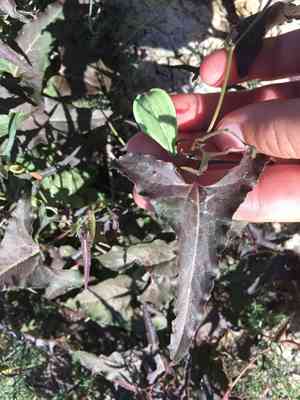
Aristolochia watsonii is a desert-dwelling perennial characterized by its unique pipe-like blossoms. Reproduction commonly occurs through seed dispersal. To achieve the best germination rates, immerse seeds in water prior to embedding them in soil that drains effectively. Select a location with ample sunlight to mimic the plant's native environment. Consistent irrigation is vital during the early stages of development, but exercise caution to prevent excessive watering. After it has become rooted, Aristolochia watsonii exhibits considerable resistance to arid conditions, rendering it an excellent choice for water-efficient landscaping.
When Is the Optimal Time to Propagate Watson's Dutchman's Pipe?
Propagation Method
Seeding
Propagation Period
Spring
What Equipment Is Utilized for Watson's Dutchman's Pipe Propagation?
Seed Tray
A seed tray is employed for planting watson's dutchman's pipe seeds. It offers a controlled setting for sprouting and initial development. Seed trays ensure proper spacing, fostering robust root growth.
Seed Starting Mix
A premium seed starting mix is vital for watson's dutchman's pipe. This sterile, light medium boosts germination rates by providing balanced moisture and air. It also helps prevent diseases in young seedlings.
Humidity Dome
A humidity dome sustains high moisture levels around watson's dutchman's pipe seeds, aiding germination. It minimizes water loss and creates a stable environment, increasing successful sprouting.
Heating Mat
A heating mat is crucial for supplying bottom warmth to watson's dutchman's pipe seeds, significantly improving germination. Consistent heat accelerates the process, especially when sowing in cooler conditions.
Labeling Stakes
Labeling stakes assist in tracking various stages of watson's dutchman's pipe propagation. Clear labels prevent oversight and help manage specific care needs for each growth phase.
Watering Can with Fine Rose
A watering can with a fine rose attachment allows for gentle irrigation of watson's dutchman's pipe seeds and seedlings without disruption. Controlled watering is key to preventing seed displacement and ensuring even moisture.
Soft-Tip Tweezers
Soft-tip tweezers are useful for handling small watson's dutchman's pipe seeds and seedlings. They enable precise placement and manipulation without harming delicate plant parts.
Grow Lights
Grow lights provide sufficient illumination when natural sunlight is inadequate, particularly during early stages. They ensure watson's dutchman's pipe receives the necessary light spectrum for healthy growth, preventing leggy or weak seedlings.
Sterilized Containers
Sterilized containers prevent the introduction of pathogens that can harm watson's dutchman's pipe during its initial stages. Disinfecting all planting containers reduces disease risk and promotes healthier seedlings.
How to Propagate Watson's Dutchman's Pipe?
Propagation Type
Simple
How to Nurture Your Newly Propagated Watson's Dutchman's Pipe?
How to Nurture Your Newly Propagated Watson's Dutchman's Pipe?
Once watson's dutchman's pipe seedlings have emerged and developed a few true leaves, transfer them to individual pots or directly into the garden. Ensure they are planted in well-draining soil and positioned in a spot receiving partial to full sun. Water young plants regularly, allowing the soil to dry slightly between waterings. Monitor for pests and diseases, and provide climbing structures for the vines as they mature.
Common Errors to Avoid When Propagating Watson's Dutchman's Pipe
Overwatering
Excessive watering can cause root rot, hindering successful propagation and harming watson's dutchman's pipe's vitality.
Insufficient Drainage
Poor drainage can lead to standing water, resulting in diseases and root decay.
Incorrect Soil Mix
Using an unsuitable soil blend can impede root development and nutrient uptake.
Insufficient Light
Lack of adequate light can slow growth and affect the plant's establishment.
Improper Cuttings
Taking cuttings that are too large or small can decrease the chances of successful rooting.
Neglecting Humidity
Failing to maintain proper humidity levels can cause cuttings to wilt or dry out.
Advice For Propagating Watson's Dutchman's Pipe
Adequate Watering
Ensure the soil stays moist but not waterlogged to prevent root rot.
Good Drainage
Utilize well-draining soil and containers with drainage holes to avoid standing water.
Appropriate Soil Mix
Employ a sandy or gritty mixture to facilitate proper root growth and aeration.
Adequate Light
Place cuttings in a bright area with indirect sunlight to promote healthy development.
Correct Cuttings
Take cuttings that are approximately 4-6 inches long and include at least one node for rooting.
Maintain Humidity
Cover cuttings with a plastic dome or use a humidity tray to retain moisture and support rooting.



