How to Prune Virginia snakeroot?
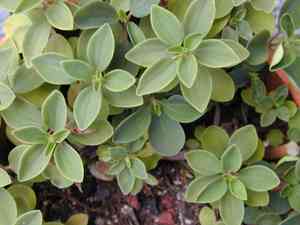
This enduring herbaceous plant is recognized for its coiled, snake-like blossoms and therapeutic rhizomes. For virginia snakeroot, trim away any lifeless or injured stalks subsequent to its summer bloom to foster robust development. The most effective time for this trimming is in late spring or early summer. Judiciously removing faded blooms can potentially boost the subsequent season's growth and deter unwanted self-seeding. Trimming additionally assists in preserving air circulation, thereby lowering the likelihood of ailments. Employ sanitized, keen implements to lessen strain on virginia snakeroot.
What Are the Benefits of Pruning Virginia Snakeroot?
What Are the Benefits of Pruning Virginia Snakeroot?
Trimming virginia snakeroot encourages robust development and helps maintain its desired form. Strategic cutting back promotes a denser structure, enhancing overall plant vitality and visual appeal.
What Is the Best Time for Pruning Virginia Snakeroot?
What Is the Best Time for Pruning Virginia Snakeroot?
For virginia snakeroot, the ideal times for trimming are spring and late summer. Spring is perfect as the plant awakens from dormancy and begins its growth cycle; pruning then can stimulate new growth and shape the plant before it expends energy on foliage. Late summer pruning coincides with the post-flowering period, allowing removal of spent blooms and seed pods, which redirects the plant's energy to root and vegetative development, preparing it for the next season. Pruning at these times minimizes stress on virginia snakeroot and ensures ample recovery before winter dormancy.
What Tools Do I Need to Prune Virginia Snakeroot?
Hand Pruners
Perfect for precise cuts on virginia snakeroot, ensuring minimal harm to delicate stems when removing spent flowers or thinning.
Pruning Shears
These are excellent for trimming softer or green stems of virginia snakeroot. Their sharp blades create clean cuts that help prevent disease.
Gloves
Protective gloves are essential to prevent irritation from handling virginia snakeroot, which may possess toxic qualities.
Garden Scissors
Virginia snakeroot may require the removal of smaller or intricate parts where garden scissors can offer precision without harming the rest of the plant.
Pruning Saw
For mature virginia snakeroot plants with thicker stems, a pruning saw can be utilized for cutting without causing undue stress to the plant.
How to Prune Virginia Snakeroot
Sanitize Tools
Before beginning the trimming process, clean and sterilize your pruning implements with a solution of one part bleach to nine parts water to prevent disease transmission to virginia snakeroot or between plants.
Remove Disease
Identify any diseased leaves and stems on virginia snakeroot. Carefully snip these sections off at their base using sharp pruning shears, ensuring not to tear or damage healthy tissues. Dispose of the diseased material securely to prevent contamination.
Trim Withered Leaves
Locate withered or yellowing leaves on virginia snakeroot. Use clean pruning scissors to cut these leaves off where they meet the stem or a healthy part of the leaf, being careful not to harm new growth.
Shape Plant
After removing diseased and withered parts, observe virginia snakeroot's overall form. If needed, prune to maintain its natural shape, encouraging healthier growth and air circulation. Remember to make pruning cuts just above leaf joints or buds.
Clean Up
After pruning virginia snakeroot, clear the area by disposing of all removed plant matter. Disinfect the tools again using the bleach solution, and wash your hands thoroughly to prevent the potential spread of pathogens to other plants.
Common Pruning Mistakes with Virginia Snakeroot
Over-Pruning
Removing excessive foliage from virginia snakeroot can lead to weakened defenses against pests and diseases, and may hinder growth by disrupting the plant's natural energy balance.
Improper Cutting Technique
Gardeners sometimes use dull or incorrect tools that can crush stems and create jagged cuts on virginia snakeroot, making the plant more susceptible to infections.
Ignoring Plant Health
Trimming virginia snakeroot without considering its health can result in further stress to the plant, especially if it is not vigorous or shows signs of disease.
Neglecting Tool Sanitation
Failing to clean and sanitize pruning tools between cuts and plants spreads pathogens, potentially infecting healthy parts of virginia snakeroot or other garden plants.
Disregarding Plant Architecture
Some gardeners cut without understanding the natural shape and growth pattern of virginia snakeroot, which can lead to an unnatural appearance and possibly impede its development.
Common Pruning Tips for Virginia Snakeroot
Sharp Tools
Utilize sharp, clean pruning shears to make precise cuts on virginia snakeroot, which promotes faster healing and reduces disease risk.
Considerate Cutting
Trim virginia snakeroot with a focus on removing only dead or diseased tissue, and strive to maintain the plant's natural form for optimal growth and visual appeal.
Plant Assessment
Before pruning virginia snakeroot, evaluate its overall health and vigor, and adjust your trimming approach accordingly to avoid overstressing the plant.
Post-Pruning Care
After trimming virginia snakeroot, provide appropriate care, such as sufficient watering and protection from harsh conditions, to support recovery and growth.
Tool Maintenance
Keep pruning tools well-maintained and sanitized before, during, and after trimming virginia snakeroot to prevent disease spread.



