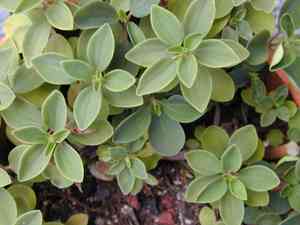
Virginia snakeroot (Aristolochia serpentaria)
Also known as: Virginia Snakeroot, Snakeroot
The Virginia snakeroot (*Aristolochia serpentaria*) is native to eastern North America and serves as the larval host for both pipevine swallowtail and polydamas swallowtail butterflies. In New York, it is considered an endangered species, with no reported sightings between 1895 and 1994.
In This Article
Attributes of Virginia snakeroot
Lifespan
Perennial
Plant Type
Herb
Plant Height
30 cm
Spread
30 cm to 60 cm
Leaf Color
Green
Flower Size
2.5 cm
Flower Color
Yellow Green Purple Red Brown
Images of Virginia snakeroot
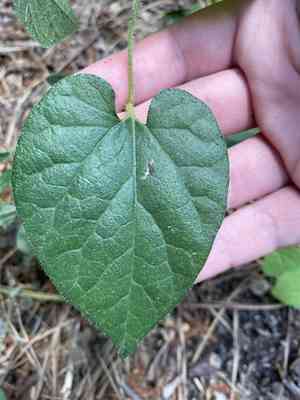
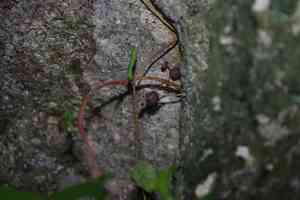
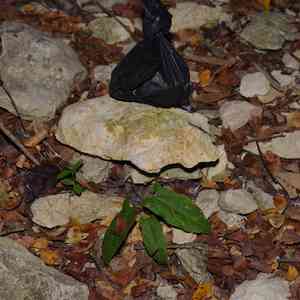
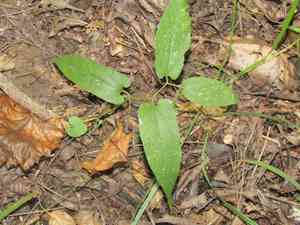
Quickly Identify Virginia snakeroot
1
Purple-brown, pitcher-shaped flowers close to the ground
2
Distinctive 6-valved capsule fruit, approximately 1/2-inch diameter
3
Zig-zag patterned green stem, slender with sparse branching
4
Small leaves, 2-5 inches long, with pinnate vein pattern
5
Low-growing herbaceous perennial, spreading through underground rhizomes
Scientific Classification of Virginia snakeroot
Phylum
Vascular plants
Class
Dicotyledons
Order
Piperales
Family
Birthwort
Genus
Aristolochia
Species
Virginia snakeroot
Planting and Growing of Virginia snakeroot
Care Difficulty
Hard
Watering Schedule
Every 2 days
Sunlight Requirements
Partial sun
Sunshine Duration
8-12 hours
Ideal Temperature
65-75℉
Soil Type
Potting Mix, Peat Mix
Soil pH
6.5-7.5
Fertilizer Type
Balanced
Pruning Season
Spring, Summer
Pruning Area
Branches, Leaves
Pruning Frequency
2 times a year
Repotting Season
Spring
Pot Type
Ceramic, Plastic
 How to Water Virginia snakeroot?
Aristolochia serpentaria thrives with careful watering, where the aim is to maintain consistently moist, but not waterlogged soil. It requires approximately 200 milliliters each time, ensuring the soil is moist but well-draining.
What are the symptoms of an underwatered Virginia snakeroot?
›
What should I do if my Virginia snakeroot is not getting enough water?
›
What are the symptoms of an overwatered Virginia snakeroot?
›
How to save an overwatered Virginia snakeroot?
›
 What Are the Sunlight Requirements for Virginia snakeroot?
Aristolochia serpentaria ideally thrives in partial sun conditions, which provide balanced light exposure. This range allows for sufficient photosynthesis without the risk of overheating, supporting healthy and vibrant growth.
More About Sunlight Requirements Techniques→
How much sun does Aristolochia serpentaria need?
›
What is the solution for ideal lighting?
›
What are the benefits of ideal lighting conditions?
›
 What Is the Ideal Temperature Range for Virginia snakeroot?
The ideal temperature range for growing Aristolochia serpentaria is between 65°F and 75°F. This range supports robust leaf and root development and maximizes photosynthesis efficiency. Keeping the plant in this range minimizes growth disturbances and ensures healthy development.
 What Soil is Best for Virginia snakeroot?
Aristolochia serpentaria requires well-draining soil to prevent root rot. Choosing a sandy loam or loam soil ensures excellent drainage, allowing the roots to access necessary oxygen and nutrients, thus promoting healthier growth. A nutrient-rich substrate is essential for the plant's growth and development. Loamy soils, with their balanced mix of silt, sand, and clay, provide the necessary nutrients and support for optimal plant health. While the soil must drain well, retaining some moisture is crucial for sustaining Aristolochia serpentaria's growth. Sandy loam, with its ability to hold moisture while allowing excess to drain away, is ideal for this purpose.
 How to Fertilize Virginia snakeroot?
For Aristolochia serpentaria, it's best to use a balanced fertilizer diluted to half strength for liquid applications. For slow-release fertilizers, follow the product instructions but use only about 75% of the recommended dosage to avoid over-fertilization.
 How to Prune Virginia snakeroot?
Begin by identifying dead, diseased, or damaged stems. Remove these to prevent the spread of pathogens and conserve the plant's resources for healthier growth. Follow by cutting back any overly long or unruly vines to maintain the desired shape and size. Make cuts at a 45-degree angle just above a leaf node or bud to encourage outward growth. This technique promotes branching and helps the plant become bushier. Always prune back to a point just above a healthy, outward-facing bud to direct future growth.
More About Pruning Techniques→
 How to Propagate Virginia snakeroot plant?
1
Fill the seed tray with a well-draining potting mix. Ensure the soil is moist but not soggy to create an optimal growing environment for the seeds. Lightly press the soil to create a firm surface for the seeds.
2
Sprinkle the seeds evenly over the surface of the prepared soil. Gently press them into the soil, but do not cover them too deeply as they require light for germination. Maintain consistent moisture levels to facilitate germination.
3
Carefully dig around the base of the plant and lift it from the ground. Use a sharp knife to separate the clumps into smaller divisions, ensuring each division has roots. Replant the divisions at the same depth as they were originally growing.
 How to Repot Virginia snakeroot plant?
1
Aristolochia serpentaria, known as Virginia Snakeroot, thrives best when repotted in the right conditions. The prime signal to repot this intriguing plant is when you observe its roots beginning to spiral at the bottom or peek through the drainage holes. Additionally, if the growth becomes stunted or the soil appears depleted after regular watering, it's time to move it to fresh soil.
2
Selecting the right pot for Aristolochia serpentaria is vital to its growth. Opt for a pot that provides ample drainage with several holes at the base. It should be slightly larger than the current one, allowing for about an inch of space around the root ball. This prevents overwatering, promotes healthy root development, and provides room for the plant's growth.
3
When repotting, choose a well-draining, peaty soil mix to support Aristolochia serpentaria's health. This type of soil retains some moisture while allowing excess water to escape, reducing the risk of root rot. Ensuring a rich organic component will provide the nutrients necessary for robust growth.
Toxicity
Ingestion
WARNING
The judgment on toxicity and danger is for reference only. We DO NOT GUARANTEE any accuracy of such judgment. Therefore, you SHALL NOT rely on such judgment. It is IMPORTANT TO SEEK PROFESSIONAL ADVICE in advance when necessary.
Learn More About Virginia snakeroot Diseases
Anthracnose
Bacterial Leaf Spot
Bacterial Wilt
Crown Gall
Cyst Nematode
Damping-off
Downy Mildew
Drought Stress
Fusarium Wilt
Gray Mold
Leaf Curl
Leaf Spot
Mosaic
Nutrient Deficiency
Nutrient Toxicity
Powdery Mildew
Root Rot
Root-knot Nematode
Rusts
Sooty Mold
Spider Mites
Temperature Stress
Thrips Damage
White Mold



