How to Propagate Virginia snakeroot?
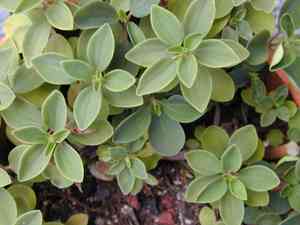
Hailing from North America, virginia snakeroot is typically multiplied by planting seeds. To achieve successful growth, the seeds need a growing substrate that drains effectively, frequently enriched with organic matter to replicate its native forest environment. It's crucial to sustain steady hydration without oversaturating the soil, as virginia snakeroot thrives with moderate dampness. Cold stratification of seeds can boost sprouting success by mimicking cold season exposure. After young plants have taken root, they ought to be progressively acclimated to external environments if their initial growth occurred indoors.
When Is the Optimal Time to Propagate Virginia Snakeroot?
Propagation Method
Seeding
Propagation Period
Spring
What Equipment Is Used in Virginia Snakeroot Propagation?
Seed trays
Seed trays are vital for initiating virginia snakeroot seeds indoors. They offer a regulated environment, enabling consistent growth conditions like moisture and temperature control, essential for virginia snakeroot germination. The divided sections in seed trays also prevent root entanglement, facilitating easier transplanting.
Sterile potting mix
A sterile potting mix helps prevent the introduction of disease-causing agents, which could negatively impact the germination and initial growth phases of virginia snakeroot. This medium provides a nutrient-rich, well-aerated environment that supports the development of virginia snakeroot's delicate roots without the disease risks common in non-sterile soils.
Mist sprayer
Mist sprayers provide gentle hydration, crucial for virginia snakeroot seeds, without disturbing their position or the growing medium. This tool ensures optimal humidity levels around germinating seeds, enhancing germination rates and initial growth by keeping the environment moist but not excessively wet.
Heating mat
A heating mat is particularly beneficial for virginia snakeroot propagation, as it maintains a consistent soil temperature, which is vital for seed germination. This tool is especially useful in cooler climates or during colder months when ambient temperatures might be too low to support the germination of virginia snakeroot.
Grow lights
Grow lights can be essential when propagating virginia snakeroot indoors or in suboptimal sunlight conditions. They provide a light spectrum that mimics natural sunlight, promoting photosynthesis and more vigorous, healthier growth after virginia snakeroot seeds have germinated.
Labeling tags
Labeling tags are simple yet critical for tracking planting dates and specific care requirements during virginia snakeroot propagation. They help ensure that optimal care schedules are followed, contributing to the successful establishment of seedlings.
How to Propagate Virginia Snakeroot?
Propagation Type
Simple
How to Care for Your Newly Propagated Virginia Snakeroot?
How to Care for Your Newly Propagated Virginia Snakeroot?
After propagation, virginia snakeroot needs shaded to partially shaded conditions, mimicking its natural understory habitat. The soil should be rich in organic matter and kept moderately moist. Avoid waterlogged conditions to prevent root rot. During the growing season, apply a balanced liquid fertilizer monthly to support healthy growth. Monitor for pests such as aphids and treat as necessary. In colder regions, provide mulch during winter to protect the roots.
Common Mistakes to Avoid When Propagating Virginia Snakeroot
Overwatering
Excess moisture can lead to root rot or fungal infections, which is detrimental for virginia snakeroot, a plant that prefers well-drained soil.
Deep planting
Planting virginia snakeroot seeds or cuttings too deeply can hinder germination and root development, as virginia snakeroot requires light for optimal germination and should be sown superficially.
Ignoring soil pH
Using soil that is either too acidic or too alkaline can impact the nutrient absorption of virginia snakeroot, which thrives in neutral to slightly acidic soil conditions.
Overlooking humidity
Virginia snakeroot thrives in environments with moderate humidity. Low humidity can slow down root development and leaf growth.
Tips For Propagating Virginia Snakeroot
Appropriate soil mix
Use a well-draining soil mix with organic matter to promote healthy root growth and prevent waterlogging, which is crucial for virginia snakeroot.
Superficial sowing
Sow the seeds of virginia snakeroot on the surface of the soil and lightly press them in, as they need light to germinate effectively.
Maintain moderate humidity
Keep the environment around virginia snakeroot moderately humid, especially during the rooting phase, to support healthy leaf and root development.
Regular monitoring
Regularly check the moisture level of the soil and the health of virginia snakeroot during propagation to adjust care practices promptly and ensure optimal growth conditions.



