How to Prune Wand-like threeawn?
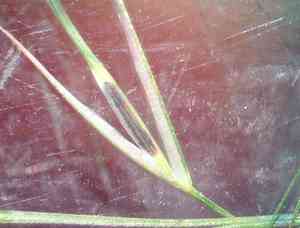
Aristida stricta, recognized for its narrow, vertical habit, greatly thrives with judicious trimming. The most suitable times for pruning are in early spring or during winter, prior to the emergence of new shoots. Trimming at these intervals aids in preserving the plant's form, eliminating deceased or compromised leaves, and fostering vigorous well-being. Concentrate on reducing dense sections to guarantee sufficient light and airflow, thereby boosting Aristida stricta's general vigor and visual attractiveness.
What Are the Advantages of Trimming Wand-like Threeawn?
What Are the Advantages of Trimming Wand-like Threeawn?
Trimming wand-like threeawn promotes robust development and preserves its form. This fosters a more robust framework, boosting resistance to environmental pressures.
When Is the Optimal Time for Trimming Wand-like Threeawn?
When Is the Optimal Time for Trimming Wand-like Threeawn?
Trimming wand-like threeawn during early spring and winter aligns well with its growth cycle and dormant phase. In early spring, pruning just before new growth begins helps revitalize the plant, encouraging strong development and maintaining its structural integrity. This timing also minimizes stress on wand-like threeawn, allowing it to recover and grow efficiently as temperatures rise. Winter pruning, when the plant is inactive, is ideal as it carries less risk of pest infestation and disease spread. Cutting back wand-like threeawn in winter helps remove dead or damaged foliage, preparing the plant for vigorous spring growth.
What Equipment Do I Need to Trim Wand-like Threeawn?
Hand pruners
Perfect for making precise cuts on wand-like threeawn's slender stems without causing undue harm.
Grass shears
Suitable for trimming the grass-like leaves of wand-like threeawn, allowing for neat and tidy shaping of the plant.
Gardening gloves
Essential for the gardener's protection, as wand-like threeawn can have sharp edges that might cause cuts during trimming.
How to Trim Wand-like Threeawn
Identify
Examine wand-like threeawn closely to pinpoint any diseased or withered leaves. Look for foliage that is discolored, spotted, or appears dried out and lifeless.
Sanitize
Before beginning the trimming process, disinfect your pruning tools. Use a solution of one part bleach to nine parts water to clean the blades, preventing the spread of diseases.
Cut
Use sharp, clean pruning shears to carefully remove the diseased and withered leaves. Make cuts close to the base of the leaf where it connects to the stem or branch, ensuring you do not harm new growth or healthy tissue.
Dispose
Promptly discard all removed leaves in a way that prevents the spread of any potential pathogens. Do not compost diseased material; instead, seal it in a plastic bag and dispose of it in the trash.
Maintenance
After trimming, monitor wand-like threeawn regularly for signs of new growth or further indications of disease. This ongoing vigilance helps maintain the health and appearance of wand-like threeawn.
Common Trimming Errors with Wand-like Threeawn
Over-trimming
Removing too much foliage from wand-like threeawn can significantly weaken the plant. This grass-like species is sensitive to aggressive cutting, which may hinder its ability to photosynthesize effectively and recover.
Incorrect tool usage
Using dull or unsanitized tools can damage the thin, delicate stems of wand-like threeawn, leading to jagged cuts that heal poorly and increase susceptibility to diseases.
Trimming without assessing plant needs
Not evaluating wand-like threeawn's health and growth pattern before trimming can lead to unnecessary or harmful cuts, particularly to the flowering parts of the plant, which are crucial for its aesthetic and reproductive success.
General Trimming Advice for Wand-like Threeawn
Utilize sharp tools
Ensure that trimming tools are sharp and clean. Clean cuts heal faster and reduce the risk of infection, which is vital for the upkeep of wand-like threeawn.
Minimal trimming
Since wand-like threeawn has a delicate structure, it is advisable to trim sparingly. Only remove dead or diseased foliage to maintain plant health and aesthetic form.
Consider plant structure
Understand the natural form of wand-like threeawn and aim to preserve it. Trimming should enhance the plantâs natural shape, not alter it drastically. Focus on gently shaping the plant rather than imposing an unnatural form.



