How to Propagate Wand-like threeawn?
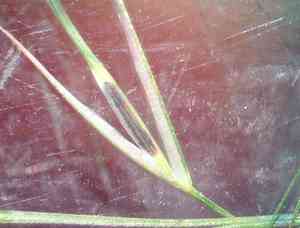
Wand-like threeawn is generally multiplied by means of separation. For successful and vigorous development, split the clusters during a period of inactivity to guarantee the plant experiences minimal strain. Employ sharp, sanitized implements to divide the root ball into segments, with each segment possessing multiple budding sites. Immediately replant into soil that drains effectively and sustain steady hydration without saturating to encourage root establishment and sturdy specimens.
Optimal Propagation Period for Wand-like Threeawn
Propagation Method
Division
Propagation Season
Spring,Autumn
Tools for Propagating Wand-like Threeawn
Sharp Spade or Knife
Primarily used for division, a sharp spade or knife enables the propagator to split the root ball of wand-like threeawn without excessive harm. Sharpness is key for clean cuts, promoting faster recovery and reducing disease risk. It aids in creating manageable clumps for replanting, crucial for successful wand-like threeawn propagation.
Garden Fork
This tool is vital for loosening soil around wand-like threeawn before division. A garden fork minimizes root damage during extraction by gently lifting the plant, preserving root integrity essential for quick re-establishment in new sites.
Horticultural Grit or Perlite
When replanting wand-like threeawn divisions, adding horticultural grit or perlite to the soil mix improves drainage and aeration, critical for root development and overall health of wand-like threeawn. This soil amendment is especially important for preventing root rot and other moisture-related issues.
Watering Can with a Fine Rose
After division and replanting, gentle watering is needed to settle soil around wand-like threeawn's roots and provide moisture for recovery. A watering can with a fine rose attachment ensures a soft, dispersed water flow that moistens the soil without disturbing new divisions.
Rooting Hormone (optional)
For more careful propagators, applying rooting hormone to the cut surfaces of wand-like threeawnâs roots can boost root growth and improve survival rates during initial division propagation. This is especially helpful if the root system of wand-like threeawn is less robust or divisions are particularly small.
How to Propagate Wand-like Threeawn?
Propagation Type
Easy
Caring for Your Newly Propagated Wand-like Threeawn
Caring for Your Newly Propagated Wand-like Threeawn
Wand-like threeawn needs minimal care once established but thrives in well-drained, dry soils and full sun. Avoid overwatering; only water when the soil is completely dry. Seasonal fertilization isn't required, but a light application of balanced fertilizer can be given annually if desired. Regularly check for and promptly manage pests or diseases.
Common Errors to Avoid When Propagating Wand-like Threeawn
Overwatering
Excess moisture can cause root rot for wand-like threeawn, a species that needs well-drained soil. Consistently wet conditions hinder root development, limiting the plant's ability to absorb nutrients effectively.
Insufficient Light Exposure
Failing to provide enough sunlight can severely impede the growth of wand-like threeawn, which thrives in full sun. Inadequate light can lead to weak, stretched growth and reduce the plant's overall vigor.
Crowded Planting
Planting wand-like threeawn seedlings too close together can result in competition for resources like light, nutrients, and water, stunting growth and decreasing overall propagation success.
Ignoring Soil Texture
Using overly dense or clay-heavy soils can hinder proper root growth and water drainage for wand-like threeawn. Soil that doesn't allow for adequate air and water flow can be detrimental to root health.
Tips For Propagating Wand-like Threeawn
Use Well-Draining Soil
Employing a well-draining soil mix is crucial for wand-like threeawn to prevent waterlogging and encourage healthy root development. Incorporating sand or perlite can improve drainage and aeration.
Ensure Adequate Spacing
When planting wand-like threeawn, ensure there is sufficient space between each seedling. Adequate spacing prevents competition for resources and allows for optimal growth and access to sunlight.
Maintain Optimal Moisture Levels
While itâs necessary to avoid overwatering, maintaining consistent moisture levels is vital for the germination and growth of wand-like threeawn. Water moderately to keep the soil lightly moist but not saturated.
Full Sun Exposure
Ensure that wand-like threeawn is placed in an area that receives full sunlight. This maximizes photosynthesis, promotes healthy growth, and enhances the vigor of the plant, making it more likely to propagate successfully.



