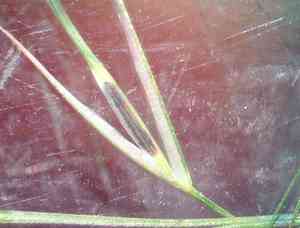
Wand-like threeawn (Aristida virgata)
Also known as: Spear Grass, Feather Threeawn
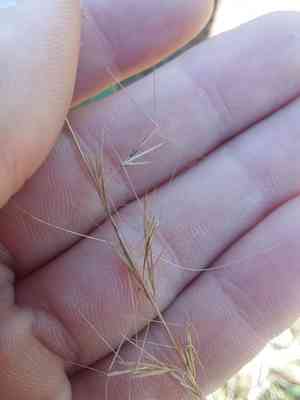
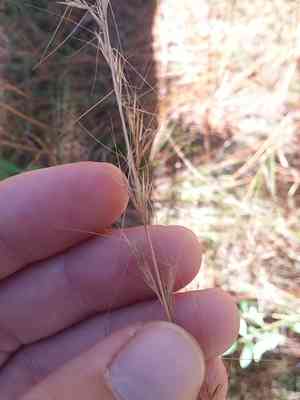
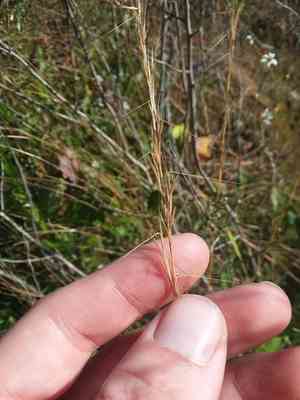
Wand-like threeawn (Aristida purpurea) is well-suited to dry, open habitats thanks to several distinctive features and adaptations. It has a tall, slender growth form and fine, narrow leaves that create a delicate, airy appearance. The plant's most notable characteristic is its three-parted, feathery awns attached to the seed heads, which facilitate wind-based seed dispersal. Additionally, its hardy nature allows it to thrive in environments with limited moisture and low-nutrient soils, ensuring its survival in challenging conditions.
In This Article
Attributes of Wand-like threeawn
Lifespan
Perennial
Plant Type
Grass
Plant Height
0.5 - 1.5 meters
Spread
Approximately 0.5 meters
Leaf Color
Green
Flower Size
Less than 1 cm, not typically measured for grass flowers
Flower Color
Greenish to purplish
Images of Wand-like threeawn
Quickly Identify Wand-like threeawn
1
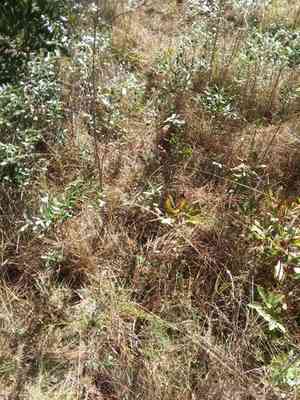
Aristida virgata can be identified by its wiry, narrow leaves and distinctive seed heads with three long awns. The plant often forms clumps and has a fine, feathery appearance, especially noticeable when it waves in the wind.
Scientific Classification of Wand-like threeawn
Phylum
Vascular plants
Class
Monocotyledons
Order
Poales
Family
Grass
Genus
Threeawn
Species
Wand-like threeawn
Planting and Growing of Wand-like threeawn
Care Difficulty
Easy
Watering Schedule
Every 2 days
Sunlight Requirements
Full sun
Sunshine Duration
6-10 hours
Ideal Temperature
60-77℉
Soil Type
Potting Mix, Peat Mix
Soil pH
6.5-7.5
Fertilizer Type
Balanced
Pruning Season
Spring, Summer
Pruning Area
Branches, Leaves
Pruning Frequency
2 times a year
Repotting Season
Spring
Pot Type
Ceramic, Plastic
 How to Water Wand-like threeawn?
Aristida virgata thrives with a balanced watering approach. Typically, about 250ml of water per session is adequate. Ensure the soil is sufficiently moist but not soggy. This plant is drought tolerant, so it's crucial to let the topsoil dry out between watering sessions, mimicking its natural, arid habitat.
What are the symptoms of an underwatered Wand-like threeawn?
›
What should I do if my Wand-like threeawn is not getting enough water?
›
What are the symptoms of an overwatered Wand-like threeawn?
›
How to save an overwatered Wand-like threeawn?
›
 What Are the Sunlight Requirements for Wand-like threeawn?
Prefers full sun exposure. Ideal lighting ensures robust growth and aids in developing its distinctive plume structure amidst challenging conditions.
What is the best lighting condition?
›
How can I provide ideal lighting?
›
What are the benefits of ideal lighting?
›
 What Is the Ideal Temperature Range for Wand-like threeawn?
The ideal temperature range for Aristida virgata is between 60°F and 77°F. Within this range, the plant is able to photosynthesize efficiently, leading to robust growth and development. These temperatures also minimize stress on the plant, thereby reducing the risk of pest infestations and diseases. Maintaining temperatures within this range ensures optimal enzyme function and nutrient uptake.
 What Soil is Best for Wand-like threeawn?
Aristida virgata thrives in well-drained soils that prevent waterlogging. This condition ensures the roots receive adequate oxygen, crucial for their growth and metabolic processes, thereby promoting healthy plant development. This plant is adapted to grow in nutrient-poor soils, which reduces competition with other plant species. Its low nutrient requirements make it ideal for restoration projects in degraded landscapes, helping to stabilize the soil. Aristida virgata prefers soil pH between 6.5 and 7.5. The neutral pH ensures harmonious chemical balance, optimizing nutrient availability, preventing toxic elements buildup, and supporting robust plant health.
 How to Fertilize Wand-like threeawn?
For Aristida virgata, it's crucial to maintain soil balance without overwhelming the plant. For liquid fertilizers, dilute the solution to half the recommended strength to avoid nutrient burn. When using slow release fertilizers, apply approximately 20 grams per square meter.
 How to Prune Wand-like threeawn?
Start by inspecting the plant for any dead or damaged foliage. Use sharp, sterilized shears to trim these parts away. Aim to remove about one-third of the oldest stems at the base to rejuvenate the plant. Prune back to a natural shape, following the plant's natural contours, and avoid cutting into the brown woody parts. Trim the plant evenly to maintain a pleasing, uniform appearance. This not only makes the plant aesthetically pleasing but also ensures even air circulation, which is crucial for preventing disease. Focus on areas where the foliage seems overly dense or messy to keep it neat.
More About Pruning Techniques→
 How to Propagate Wand-like threeawn plant?
1
Fill the seed tray with sterile potting mix, pressing down gently to remove any air pockets. Ensure the surface is even and well-leveled for uniform seed distribution.
2
Scatter seeds evenly over the prepared soil. It's crucial to maintain adequate spacing to avoid overcrowding, which can hinder growth.
3
Lightly water the seeds and cover the tray with a clear plastic lid or wrap to retain moisture. This creates a greenhouse effect to keep seeds warm and moist.
 How to Repot Wand-like threeawn plant?
1
Repotting Aristida virgata is best done when you notice the roots emerging from the drainage holes or when growth seems stunted. This usually indicates the plant has outgrown its current container and requires more room to grow vigorously. The ideal time for repotting is during the active growth season, typically in spring or summer, when the plant can recover quickly and establish in a new pot.
2
Opt for a pot that is 1-2 inches larger in diameter than the current one. The pot should have ample drainage holes to prevent waterlogging, which can lead to root rot. A slightly bigger pot encourages healthier root spread and supports robust plant growth, ensuring your Aristida virgata thrives without constraints.
3
Select well-draining soil that mimics its natural environment, such as a sandy mix. This type of soil ensures proper aeration and drainage, preventing water stagnation around the roots. A suitable soil mix contributes to the plant's overall health by allowing roots to breathe and facilitating nutrient uptake efficiently.



