How to Prune Powdery false cloak fern?
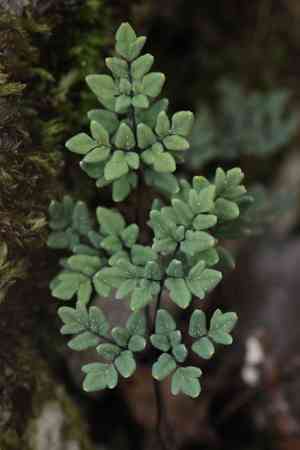
The powdery false cloak fern, recognized for its distinctively powdered leaves, thrives with moderate trimming. The most suitable periods for pruning are late winter and early spring, coinciding with its inactive stage prior to the emergence of fresh foliage. Eliminate any withered or compromised fronds to improve the plant's general well-being and aesthetic appeal. Trimming encourages better air movement and diminishes the likelihood of illness. Adhere to these guidelines to preserve a robust and appealing fern, guaranteeing strong new development as the cultivation period commences.
What Are the Benefits of Pruning Powdery False Cloak Fern?
What Are the Benefits of Pruning Powdery False Cloak Fern?
Pruning powdery false cloak fern helps maintain its form and promotes robust development. Trimming aids in size management, improves air circulation, and lowers pest and disease risks, leading to a healthier, more attractive plant.
What Is the Best Time for Pruning Powdery False Cloak Fern?
What Is the Best Time for Pruning Powdery False Cloak Fern?
The optimal time to prune powdery false cloak fern is during early spring or late winter. This period aligns with the plant's dormant phase, reducing stress and disease susceptibility. As powdery false cloak fern begins new growth in spring, trimming in late winter or early spring allows the plant to direct energy towards new development rather than wound recovery. This timing also avoids disrupting its natural growth cycle during peak season.
What Tools Do I Need to Prune Powdery False Cloak Fern?
Bypass Pruners
Perfect for clean cuts on live plant tissue. These are crucial for removing damaged or dead fronds from powdery false cloak fern, ensuring healthy growth.
Precision Pruning Shears
Useful for intricate tasks and reaching confined areas within the fern's foliage. These shears enable precise trimming of small growth without harming the plant.
Soft Bristle Brush
Important for gently cleaning powdery false cloak fern fronds to remove debris or pests without causing damage.
How to Prune Powdery False Cloak Fern
Assessment
Inspect powdery false cloak fern for any indications of diseased or shriveled leaves. Diseased leaves might show discoloration, spots, or unusual growths, while shriveled leaves appear brown and dry.
Tools Sterilization
Gather pruning implements like scissors or garden shears. Sanitize the tools with rubbing alcohol or a bleach solution to prevent disease transmission.
Removal Diseased Leaves
Carefully cut away any diseased leaves using the sterilized pruning tools. Make clean cuts near the base of each leaf, ensuring all affected parts are removed to stop further spread.
Removal Withered Leaves
Identify and trim the withered leaves. Cut them close to their base, making sure not to harm the healthy sections of powdery false cloak fern.
Disposal
Properly discard the trimmed diseased and withered leaves. Do not compost them, as they may harbor pathogens that could infect other plants.
Common Pruning Mistakes with Powdery False Cloak Fern
Over-pruning
Removing too many fronds at once can stress powdery false cloak fern and hinder its development. This can result in a weakened plant more vulnerable to disease.
Improper technique
Using dull or dirty scissors can create jagged cuts, making the plant susceptible to infections. Always use sharp and sanitized tools.
Cutting too close to the ground
Pruning powdery false cloak fern too near the plant's crown can damage emerging new fronds, impacting future growth.
Pruning at the wrong time
Although specific timing isn't addressed here, avoid pruning when the plant is under stress (e.g., during extreme weather conditions).
Common Pruning Tips for Powdery False Cloak Fern
Moderate removal of fronds
Only remove dead or damaged fronds to promote air circulation and light penetration. This helps prevent disease without stressing powdery false cloak fern.
Sterilize tools
Ensure all pruning tools are sterilized before use to prevent the spread of pathogens. Rubbing alcohol or a bleach solution can be used for sterilization.
Cut at an angle
Make clean, angled cuts to encourage better healing and minimize the risk of water pooling at the cut site, which can lead to rot.
Observe plant health
Regularly inspect powdery false cloak fern for signs of stress or disease. Healthy plants are more resilient and can better withstand pruning.



