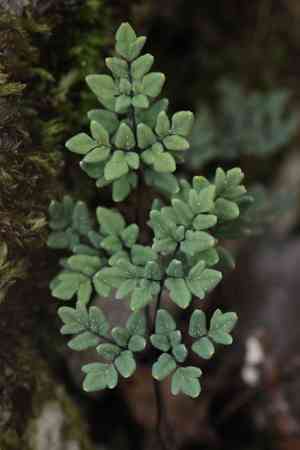
Powdery false cloak fern (Argyrochosma dealbata)
Also known as: Powdery Cloak Fern
The fern you're referring to is likely the powdery false cloak fern, a type of maidenhair fern endemic to the United States. This small fern thrives in rocky crevices and is distinguished by a powdery white coating on the underside of its leaves. First identified in 1814, it generally prefers to grow in the wild rather than being cultivated in gardens.
In This Article
Attributes of Powdery false cloak fern
Lifespan
Perennial
Plant Type
Fern
Plant Height
0 mm to 30 cm
Spread
20-25 cm
Leaf Color
Silvery-gray
Flower Size
N/A (non-flowering plant)
Flower Color
N/A (non-flowering plant)
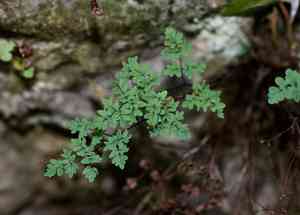
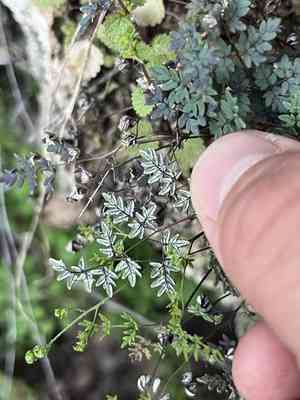
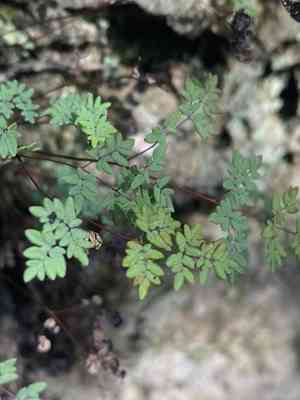
Images of Powdery false cloak fern
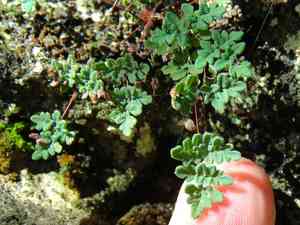
Quickly Identify Powdery false cloak fern
1
Argyrochosma dealbata can be identified by its small, triangular fronds that are covered with a characteristic white, powdery substance. The fronds are divided into narrow segments and have a delicate, feathery look.
Scientific Classification of Powdery false cloak fern
Phylum
Vascular plants
Class
Ferns
Order
Polypodiales
Family
Brake
Genus
False cloak fern
Species
Powdery false cloak fern
Planting and Growing of Powdery false cloak fern
Care Difficulty
Moderate
Watering Schedule
Every day
Sunlight Requirements
Partial sun
Sunshine Duration
10-12 hours
Ideal Temperature
60-75℉
Soil Type
Potting Mix, Peat Mix
Soil pH
6.5-7.5
Fertilizer Type
Balanced
Pruning Season
Spring, Summer
Pruning Area
Branches, Leaves
Pruning Frequency
2 times a year
Repotting Season
Spring
Pot Type
Plastic, Ceramic
 How to Water Powdery false cloak fern?
Argyrochosma dealbata requires modest watering, approximately 250 ml each time. It's crucial to ensure the soil is damp but not waterlogged. Water until the soil surface looks moist, but avoid letting water pool on top.
What are the symptoms of an underwatered Powdery false cloak fern?
›
What should I do if my Powdery false cloak fern is not getting enough water?
›
What are the symptoms of an overwatered Powdery false cloak fern?
›
How to save an overwatered Powdery false cloak fern?
›
 What Are the Sunlight Requirements for Powdery false cloak fern?
Argyrochosma dealbata thrives in environments providing partial sun to full shade. Optimal lighting conditions support vibrant leaf coloration and steady growth by providing sufficient light for photosynthesis without causing photodamage.
How much sunlight does Argyrochosma dealbata need daily?
›
Can Argyrochosma dealbata handle full shade conditions?
›
What are some solutions to achieving ideal light conditions for Argyrochosma dealbata?
›
 What Is the Ideal Temperature Range for Powdery false cloak fern?
Argyrochosma dealbata thrives best in temperatures ranging from 60°F to 75°F. This range ensures adequate warmth for photosynthesis and other vital physiological processes without stressing the plant. Consistent temperatures within this range support healthy growth and development.
 What Soil is Best for Powdery false cloak fern?
Argyrochosma dealbata thrives in well-drained soils that prevent waterlogging, which can lead to root rot. Good drainage ensures the roots breathe efficiently, promoting healthy growth and a robust plant structure. While this plant can adapt to various soil conditions, it prefers soils of moderate fertility. Too rich a soil may lead to excessive growth that weakens the plant's natural form. Balanced soil fertility supports steady growth and better plant health. Argyrochosma dealbata benefits from a substrate that is rich in minerals, particularly calcium. This aids in maintaining strong cell walls and contributes to the plant's overall vigor and resistance to environmental stresses.
 How to Fertilize Powdery false cloak fern?
For Argyrochosma dealbata, use a balanced, water-soluble fertilizer diluted to half strength. Apply about 1/4 cup per plant per feeding for liquid fertilizers. Ensure the solution is evenly spread across the soil surface, avoiding direct contact with foliage to prevent burning.
 How to Prune Powdery false cloak fern?
Begin by identifying fronds that appear brown, damaged, or wilted. These should be your primary targets for pruning as they no longer contribute to the plant's health. Hold your shears at a slight angle and make clean cuts close to the base of the frond. This prevents leaving stubs that can harbor pests or diseases. After pruning, make sure to clear away all cuttings and debris to prevent any potential pest infestations or fungal infections from taking hold.
More About Pruning Techniques→
 How to Propagate Powdery false cloak fern plant?
1
Collect mature seeds from a healthy Argyrochosma dealbata plant. Ensure the seeds are dry and free from any damage, and store them in a cool, dry place until you are ready to plant them.
2
Use a well-draining soil mix for seed planting. Fill the seed tray with this soil, leaving enough space on top for watering. Moisten the soil lightly to prepare for sowing the seeds.
3
Scatter the seeds evenly over the surface of the soil. Cover them lightly with a layer of soil to ensure they are in contact with moisture. Place the tray in a warm area with indirect sunlight.
 How to Repot Powdery false cloak fern plant?
1
Argyrochosma dealbata should be repotted when its roots begin to outgrow the current pot, usually indicated by slow growth or roots emerging from drainage holes. The best time for repotting is during active growth phases, typically in spring or early summer.
2
Select a pot that is one size larger than the current one with good drainage. Using a slightly larger pot prevents overwatering and allows the roots sufficient room to spread, ensuring better growth and preventing root rot.
3
Opt for a well-draining, sandy soil mixture to mimic the plant's natural habitat. This type of soil offers excellent drainage and prevents waterlogging, which is crucial for the health and growth of Argyrochosma dealbata.



