How to Propagate Powdery false cloak fern?
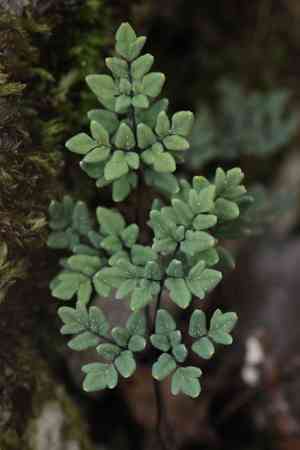
The powdery false cloak fern, a robust variety, features distinctive powdery fronds. The most effective propagation technique involves division. Gently separate the root mass, making sure each portion possesses healthy roots and fronds. Promptly replant these sections in adequately draining soil that retains moderate moisture. Positioning them in filtered light encourages robust development. Periodically inspect for indications of excessive watering or insufficient moisture. This approach fosters strong ferns, preparing your outdoor areas or interior environments for lush presentations of delicate texture.
Optimal Time for Powdery False Cloak Fern Propagation
Propagation Method
Division
Propagation Period
Spring,Autumn
Tools Utilized in Powdery False Cloak Fern Propagation
Spade or Garden Fork
Employed for carefully extracting the entire Powdery false cloak fern clump from the ground. Its sturdy construction ensures minimal root damage, a key factor for successful separation.
Root Knife
Crucial for dividing the root mass of Powdery false cloak fern. A sharp, clean cut helps prevent disease and guarantees each segment possesses a viable root system, essential for plant vitality.
Pruning Shears
Used to trim damaged or dead roots and fronds following division. Keeping the plant neat prevents unnecessary energy expenditure and encourages quicker recovery.
Small Gardening Trowel
Helpful for replanting the separated sections of Powdery false cloak fern. Its size allows for precise placement and minimal root disturbance, vital for promoting rapid establishment in new soil.
Humidifier or Misting System
Important for sustaining elevated humidity levels during the initial phase after division. This tool aids in creating an environment conducive to root recovery and growth, which is critical for ferns like Powdery false cloak fern.
Rooting Hormone
While not always essential, applying a rooting hormone can stimulate quicker and more robust root development in divided sections of Powdery false cloak fern.
Watering Can with Fine Rose
Ensures gentle and even watering of newly planted divisions. Appropriate watering practices are crucial for preventing transplant shock and fostering healthy growth.
How to Propagate Powdery False Cloak Fern?
Propagation Type
Easy
How to Nurture Your Newly Propagated Powdery False Cloak Fern?
How to Nurture Your Newly Propagated Powdery False Cloak Fern?
Powdery false cloak fern requires consistent moisture, well-draining soil, and protection from direct sunlight to flourish. Regular pest monitoring and ensuring adequate humidity levels will support healthy development. Periodic feeding with a diluted, balanced fertilizer during the growing season can enhance vigor. Repotting every few years may be necessary as the plant establishes and expands.
Common Errors to Avoid When Propagating Powdery False Cloak Fern
Overwatering
Providing excessive water can lead to root rot, which hinders the plant's ability to absorb nutrients and grow effectively.
Incorrect Soil Type
Utilizing heavy or clay-rich soil could impede drainage and harm root development, crucial for successful propagation.
Inadequate Light
Placing the plant in too much shade or direct sunlight can obstruct its growth. Balanced light exposure is vital.
Improper Handling of Spores
Failing to properly collect and sow spores can result in unsuccessful propagation attempts.
Neglecting Humidity
Not maintaining high humidity levels can dry out the spores and seedlings, leading to unsuccessful growth.
Advice for Propagating Powdery False Cloak Fern
Use Well-Draining Soil
Choose sandy or loamy soil to ensure proper water drainage, preventing root rot.
Moderate Watering
Water the plant when the top inch of soil feels dry to maintain moisture without oversaturating the roots.
Provide Indirect Light
Position the plant in an area with filtered or indirect light to mimic its natural habitat and promote healthy growth.
Proper Spore Handling
Collect spores by tapping mature fronds over a paper and sow them on a sterilized soil surface, then cover lightly.
Maintain High Humidity
Use a humidity dome or mist regularly to keep the environment moist, which is crucial for spore germination and seedling development.



