How to Prune Spreading sandwort?
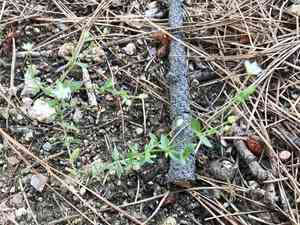
Recognized for its fragile white blossoms and expansive growth pattern, spreading sandwort thrives with judicious trimming. The most suitable periods for pruning are the beginning of spring and the end of winter. Concentrate on eliminating deceased or compromised branches to foster robust development and sculpt the plant. Trimming spreading sandwort aids in preventing excessive density and encourages improved air movement, thereby lowering the likelihood of illness. Consistent cutting can additionally boost blooming and general visual appeal.
What Are the Benefits of Pruning Spreading Sandwort?
What Are the Benefits of Pruning Spreading Sandwort?
Trimming spreading sandwort encourages robust development and helps maintain its form. Removing dead or overgrown stems improves air circulation, reducing pest and disease issues and ensuring the plant stays healthy and visually appealing.
What Is the Best Time for Pruning Spreading Sandwort?
What Is the Best Time for Pruning Spreading Sandwort?
Trimming spreading sandwort in early spring or late winter is optimal as the plant is dormant. Pruning then allows for better shaping and removal of winter damage without stressing the plant. This timing also promotes vigorous new growth as the plant enters its active cycle in warmer months. Pruning during these seasons avoids disrupting the flowering period, which typically occurs later, ensuring abundant and prolific blooms.
What Tools Do I Need to Prune Spreading Sandwort?
Bypass Pruners
Perfect for making clean cuts on small stems and shoots to preserve the structure of spreading sandwort.
Pruning Shears
Useful for trimming and shaping, enabling precision in maintaining the desired form of spreading sandwort.
Hand Trowel
Crucial for carefully removing dead or overcrowded sections without disturbing the roots of spreading sandwort.
Garden Scissors
Helpful for detailed work, such as snipping away spent flowers and leaves on spreading sandwort.
Pruning Saw
Occasionally needed for cutting through thicker, woody stems if spreading sandwort has older growth that requires management.
How to Prune Spreading Sandwort
Inspection
Thoroughly examine spreading sandwort for any diseased or withered foliage. Ensure accurate identification to avoid harming healthy parts.
Preparation
Prepare sterilized pruning shears to prevent pathogen transmission. Clean tools with a solution of one part bleach to nine parts water.
Removal
Carefully trim away the diseased leaves. Make precise cuts close to the base of the affected area, ensuring complete removal.
Disposal
Collect and discard all removed plant material in a sealed bag. Avoid composting to prevent disease spread.
Observation
Monitor spreading sandwort regularly to detect and address any new signs of disease promptly. Adjust care practices to enhance plant health.
Common Pruning Mistakes with Spreading Sandwort
Improper cutting technique
Many gardeners err by using dull or dirty tools, which can cause jagged cuts and heighten disease risk. Always use sharp, clean pruning shears for a precise cut.
Over-pruning
Removing too much of the plant at once can stress spreading sandwort, potentially hindering its growth. It's crucial to remove only a small portion, ideally no more than one-third of the plant at a time.
Incorrect cut location
Cutting in the wrong spot, such as too far from a node or bud, can result in unsightly stubs and poor regrowth. Always prune just above a node or bud to encourage healthy shoots.
Not sanitizing tools between cuts
Failing to sanitize tools between cuts can spread diseases from one part of the plant (or from other plants) to another. Sanitizing tools with alcohol or a bleach solution between cuts is essential.
Common Pruning Tips for Spreading Sandwort
Maintain tool sharpness
Keep your pruning shears sharp to ensure smooth, clean cuts. This helps minimize plant stress and encourages faster healing.
Follow the one-third rule
Limit pruning to one-third of the plant's volume at a time. This prevents excessive stress and allows spreading sandwort to maintain its health and vigor.
Prune just above nodes or buds
Make cuts just above a node or bud to promote new growth and direct the plant's energy into developing healthy, new shoots.
Sanitize tools regularly
Sanitize your pruning tools with rubbing alcohol or a bleach solution between cuts. This practice helps prevent the spread of diseases and ensures the plant stays healthy.



