How to Propagate Spreading sandwort?
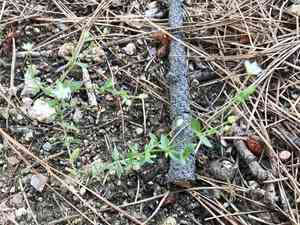
Arenaria serpyllifolia flourishes in permeable substrates and favors sites with full sun to partial shade. For propagation through seeding, disperse the seeds on the soil's surface and lightly compress them without burial. Provide a gentle watering to sustain dampness, yet prevent saturation. This species benefits from periodic reduction to foster robust development. Consulting established botanical references corroborates that these methods improve successful cultivation.
When Is the Optimal Time to Propagate Spreading Sandwort?
Propagation Method
Seeding
Propagation Period
Spring
What Equipment Is Utilized in Spreading Sandwort Propagation?
Seed Trays
Seed trays are crucial for planting spreading sandwort seeds. They offer a controlled setting where seeds can sprout and develop into young plants. Employing seed trays facilitates easier management of moisture levels and guarantees consistent germination by keeping seeds in a shallow, confined area.
Fine Seed Starting Mix
A fine seed starting medium is vital for planting spreading sandwort seeds. This blend provides excellent drainage and aeration, which are essential for seed germination. Its fine texture ensures good contact between the seed and soil, aiding in moisture and nutrient absorption.
Misting Bottle
A misting bottle is employed to gently dampen the soil surface when planting spreading sandwort seeds. It prevents soil displacement and ensures that the delicate seeds remain in place and are not washed away. Appropriate moisture levels are maintained without over-saturating the seeds.
Heat Mat
A heat mat assists in maintaining a consistent and ideal temperature for the germination of spreading sandwort seeds. Spreading sandwort seeds benefit from warm soil, and a heat mat can ensure the temperature stays within the optimal range to encourage quicker and more uniform germination.
Humidity Dome
A humidity dome placed over seed trays creates a miniature greenhouse effect, ensuring high humidity and warmth, which are advantageous for the germination of spreading sandwort seeds. The regulated environment reduces evaporation and keeps the soil consistently moist, fostering healthy seedling development.
Seed Dibber
A seed dibber is useful for creating small, precise holes in the seed starting mix. For spreading sandwort seeds, which require shallow planting, a dibber ensures each seed is placed at the correct depth, leading to improved germination rates.
Label Markers
Label markers are important for tracking spreading sandwort seed varieties and planting dates. Proper labeling aids in managing the cultivation process and allows for better planning of care and transplantation once the seedlings are ready.
Grow Lights
Grow lights provide the necessary light spectrum for the healthy development of spreading sandwort seedlings, especially if natural sunlight is limited. They ensure seedlings receive adequate light for photosynthesis, which is crucial for robust and healthy growth.
How to Propagate Spreading Sandwort?
Propagation Type
Simple
How to Care for Your Newly Propagated Spreading Sandwort?
How to Care for Your Newly Propagated Spreading Sandwort?
After transplanting, irrigate the plants regularly to keep the soil slightly damp but not waterlogged. Provide partial to full sunlight and ensure good air circulation to prevent fungal diseases. Occasional light fertilization can help promote vigorous growth. Mulching around the plants can help retain moisture and control weeds. Monitor for pests and address them using organic insecticides if necessary. With proper care, spreading sandwort will flourish and spread, creating a lush ground cover.
Common Errors to Avoid When Propagating Spreading Sandwort
Overwatering
Excessive moisture can lead to root rot and fungal infections, which may severely impede the plant's growth and propagation success.
Improper soil
Using dense or poorly draining soil can cause waterlogging, preventing roots from receiving the necessary oxygen and nutrients.
Insufficient sunlight
Placing spreading sandwort in too much shade can result in weak, leggy growth and poor overall plant health, reducing propagation success.
Incorrect potting
Using pots without adequate drainage or containers that are too large can lead to waterlogged soil and root stress.
Overcrowding
Planting too many cuttings close together can cause competition for resources, leading to weak and stunted growth.
Advice For Propagating Spreading Sandwort
Use well-draining soil
Choose a sandy or gritty soil mix to ensure proper drainage and prevent water retention around the roots.
Moderate watering
Water sparingly, allowing the soil to dry out between watering sessions to prevent root rot and other moisture-related problems.
Adequate sunlight
Place cuttings or seedlings in a location with ample sunlight, as spreading sandwort thrives in bright, indirect light conditions.
Proper potting
Use small pots with good drainage to avoid water accumulation and to facilitate healthy root development.
Spacing
Maintain a reasonable distance between cuttings to allow for adequate airflow and to reduce competition for nutrients and light.



