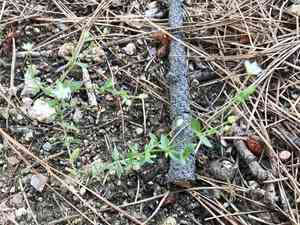
Spreading sandwort (Arenaria lanuginosa)
Also known as: Woolly Sandwort
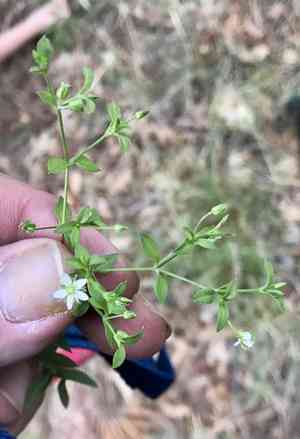
Spreading sandwort is a low-growing, mat-forming perennial characterized by its fuzzy, gray-green foliage. It thrives in well-drained, sandy, or rocky soils typically found in coastal regions and open, sunny areas. Blooming from late spring to summer, this plant produces small, white star-shaped flowers that stand out against its dense leaves, attracting pollinators and adding beauty to its natural alpine environments.
In This Article
Attributes of Spreading sandwort
Lifespan
Perennial
Plant Type
Herb
Plant Height
10-30 cm
Spread
20-40 cm
Leaf Color
Green
Flower Size
0.5-1 cm
Flower Color
White to pale pink
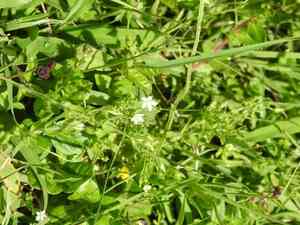
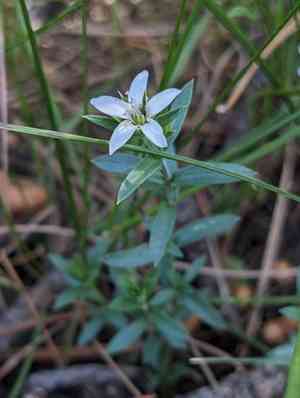
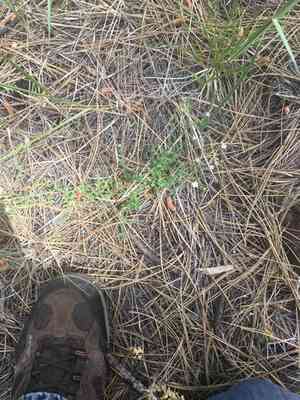
Images of Spreading sandwort
Quickly Identify Spreading sandwort
1
Woolly Sandwort can be identified by its dense, woolly foliage and small white to pale pink flowers. The stems are slender and often lie close to the ground.
Scientific Classification of Spreading sandwort
Phylum
Vascular plants
Class
Dicotyledons
Order
Caryophyllales
Family
Pink
Genus
Sandworts
Species
Spreading sandwort
Planting and Growing of Spreading sandwort
Care Difficulty
Moderate
Watering Schedule
Every 2 days
Sunlight Requirements
Partial sun
Sunshine Duration
8-12 hours
Ideal Temperature
65-75℉
Soil Type
Potting Mix, Peat Mix
Soil pH
6.5-7.5
Fertilizer Type
Balanced
Pruning Season
Spring, Summer
Pruning Area
Branches, Leaves
Pruning Frequency
2 times a year
Repotting Season
Spring
Pot Type
Plastic, Ceramic
 How to Water Spreading sandwort?
Arenaria lanuginosa prefers moderate watering. Ensure that the soil is evenly moist but never soggy. 250 milliliters of water per session is ideal, providing hydration without waterlogging the roots. Allow the top inch of soil to dry out slightly between waterings for optimal growth.
What are the symptoms of an underwatered Spreading sandwort?
›
What should I do if my Spreading sandwort is not getting enough water?
›
What are the symptoms of an overwatered Spreading sandwort?
›
How to save an overwatered Spreading sandwort?
›
 What Are the Sunlight Requirements for Spreading sandwort?
The plant thrives best with partial sun to partial shade conditions. This balance prevents stress and promotes healthy growth, ensuring vibrant foliage and a robust plant structure.
Ideal time of day for light
›
Placement for optimal light exposure
›
Adjusting to seasonal changes
›
 What Is the Ideal Temperature Range for Spreading sandwort?
The ideal temperature range for Arenaria lanuginosa is between 65°F and 75°F. Within this range, the plant can thrive and grow optimally. Such conditions mimic its natural environment where moderate temperatures favor growth and flower production. Plants maintained within this range exhibit lush foliage and a robust growth pattern.
 What Soil is Best for Spreading sandwort?
Arenaria lanuginosa thrives in well-drained soil. This type of soil prevents waterlogging, which can lead to root rot, ensuring the roots have access to necessary oxygen and nutrients. The plant prefers soil with a neutral to slightly alkaline pH, ranging from 6.5 to 7.5. This pH range optimizes nutrient availability, promoting healthy growth and vibrant foliage. The plant requires soil with moderate nutrient levels, ensuring it has enough resources to thrive without the risk of nutrient burn or stunted growth due to excessive fertilization.
 How to Fertilize Spreading sandwort?
For Arenaria lanuginosa, it is crucial to use a balanced fertilizer, such as a 10-10-10 formula, applying it sparingly. For liquid fertilizer, dilute it to half the recommended strength and use approximately 1 liter per square meter. With slow-release fertilizer, use about 50 grams per plant annually. Monitoring the plant's response is vital to adjust the amount as needed.
 How to Prune Spreading sandwort?
Start by sterilizing your pruning shears to prevent disease spread. Gently remove any dead or damaged stems. Trim back overgrown shoots to a leaf node to encourage new growth. Always make clean cuts to ensure the plant heals well. To shape Arenaria lanuginosa, focus on maintaining a rounded form. Trim evenly around the perimeter, ensuring all sides receive attention. This helps in keeping the plant symmetrical and aesthetically pleasing.
More About Pruning Techniques→
 How to Propagate Spreading sandwort plant?
1
Before sowing, soak the seeds in warm water for 12-24 hours to enhance germination rates and ensure more uniform growth.
2
Select healthy stems, cut approximately 4-6 inches in length, remove lower leaves, and dip the cut end in rooting hormone to boost rooting success.
3
Dig up mature plants carefully and separate roots to create smaller, manageable divisions ensuring each has an adequate root system for successful establishment.
 How to Repot Spreading sandwort plant?
1
Arenaria lanuginosa needs repotting when its roots begin to outgrow the pot or emerge from the drainage holes. Spring is the optimal season as the plant actively grows, providing it the chance to settle into its new pot comfortably. If you notice wilting even with normal watering, it's probably time for a repot!
2
Select a pot that is one size larger than the current one, about 2 inches wider in diameter. Ensure the pot has excellent drainage to prevent waterlogging, which could lead to root rot. The material can range from ceramic to plastic; just ensure that it complements the plant size and style of your space.
3
Opt for a well-draining sandy soil mix, which encourages healthy root development and prevents overwatering issues. The soil's light texture helps mimic Arenaria lanuginosa's natural alpine environment, which is crucial for its adaptation and growth.



