How to Prune Bonny doon manzanita?
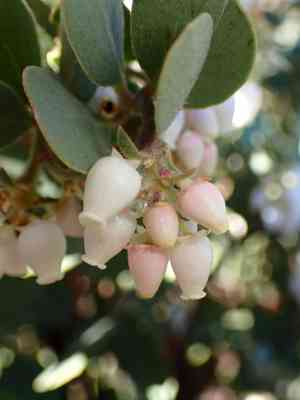
The Bonny doon manzanita, a shrub recognized for its appealing, exfoliating reddish bark and thick leaves, thrives with proper care. For optimal outcomes, perform pruning in early spring, prior to the emergence of new shoots. Eliminate any lifeless or compromised branches, and reduce crowded sections to enhance air movement. Prioritize preserving the plant's inherent form and well-being, rather than undertaking drastic trimming. Pruning stimulates robust development and blooming, thereby making the Bonny doon manzanita more aesthetically pleasing and resilient. Consistent, gentle trimming prevents excessive density and boosts the plant's overall vitality.
What Are the Benefits of Pruning Bonny Doon Manzanita?
What Are the Benefits of Pruning Bonny Doon Manzanita?
Pruning bonny doon manzanita encourages robust development and helps maintain an appealing form. It aids in managing its size, preventing illness, and enhancing air circulation, making the plant more resilient and visually pleasing.
What Is the Best Time for Pruning Bonny Doon Manzanita?
What Is the Best Time for Pruning Bonny Doon Manzanita?
The optimal time to prune or trim bonny doon manzanita is in early spring, just before new growth emerges. This timing is ideal as it allows the plant to recover quickly as it enters its active growth phase. Pruning during this period helps shape the plant, remove dead or damaged branches, and promotes strong new growth without disrupting its flowering and fruiting cycles, which typically occur later in the growing season.
What Tools Do I Need to Prune Bonny Doon Manzanita?
Bypass Pruners
Bypass pruners are perfect for making precise cuts without crushing plant tissue, which is crucial for bonny doon manzanita's slender, delicate branches.
Loppers
Loppers offer the necessary leverage to cut through thicker branches that might be part of bonny doon manzanita's structure, providing accuracy without harming the bark.
Pruning Saw
A pruning saw is essential for removing larger, woody branches that loppers cannot manage, ensuring a smooth cut and reducing the risk of tearing.
Hand Pruners
For small, detailed cuts and shaping, hand pruners are ideal as they provide greater control for bonny doon manzanita's finer stems.
Gloves
Heavy-duty gloves are vital for protection against any sharp twigs and to ensure a firm grip on the tools.
How to Prune Bonny Doon Manzanita
Inspect
Start by thoroughly examining bonny doon manzanita for any indications of diseased leaves, withered leaves, and dead or ailing branches. Look for discoloration, unusual spots, and any branches that are brittle or non-viable.
Sterilize
Before making any cuts, sanitize your pruning tools with a solution of one part bleach to nine parts water. This prevents the spread of disease from one part of bonny doon manzanita to another.
Remove Diseased Leaves
Carefully snip away any diseased leaves using sterilized scissors or pruning shears, cutting as close to the base of the leaf stem as possible without harming the main stem of bonny doon manzanita.
Trim Withered Leaves
Next, remove withered leaves by cutting them at their attachment point to the plant. Dispose of these leaves properly to prevent any potential disease spread.
Cut Dead Diseased Branches
Identify and trim dead or diseased branches by cutting back to healthy wood. Make clean cuts just above a node or branch junction to encourage proper healing and growth. Ensure the tools remain sterilized if moving between diseased and healthy parts of bonny doon manzanita.
Common Pruning Mistakes with Bonny Doon Manzanita
Over-pruning
Removing too much foliage at once can stress bonny doon manzanita, leading to stunted growth and potential dieback.
Improper technique
Using dull or unsuitable tools can result in jagged cuts, making bonny doon manzanita vulnerable to disease and pest infestations.
Pruning at the wrong angle
Making cuts too close to the main stem or without an angle can lead to poor healing and expose bonny doon manzanita to pathogens.
Ignoring dead wood
Failing to remove dead or diseased branches can spread problems throughout bonny doon manzanita, impacting its overall health.
Not sanitizing tools
Using unsanitized tools can transfer diseases between cuts, posing a threat to bonny doon manzanita's health.
Common Pruning Tips for Bonny Doon Manzanita
Use sharp, clean tools
Ensure tools are sharpened and sanitized before pruning to make clean cuts and minimize the risk of infection in bonny doon manzanita.
Prune selectively
Focus on removing dead, damaged, or diseased branches first, then thin out overgrown areas to improve air circulation and light penetration for bonny doon manzanita.
Cut at an angle
Make cuts at a 45-degree angle, slightly above a node or an outward-facing bud, to promote healthy new growth and quick healing for bonny doon manzanita.
Thin out crowded branches
Encourage a better structure by selectively thinning out branches that cross or rub against each other, which can otherwise lead to wounds and disease in bonny doon manzanita.
Monitor for pest and disease signs
Regularly inspect bonny doon manzanita for signs of pests or diseases, and address any issues swiftly with appropriate treatments or by removing affected branches.



