Bonny doon manzanita (Arctostaphylos silvicola)
Also known as: Silver-leaved Manzanita
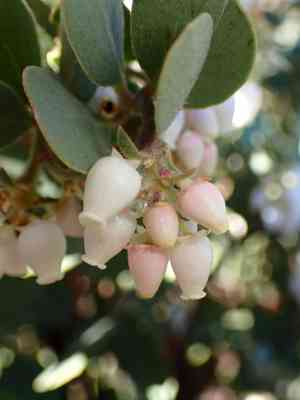
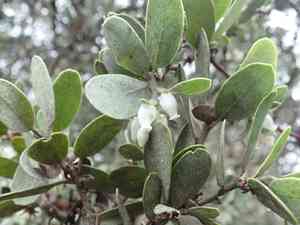
Arctostaphylos silvicola, commonly known as Bonny Doon manzanita, is a hardy evergreen shrub indigenous to the sandy terrains of coastal California. It prospers in open forest areas, characterized by its smooth red bark and tough green leaves. In spring, it produces clusters of bell-shaped flowers ranging from white to pink, followed by red to purple berries that attract various wildlife. The roots of Bonny Doon manzanita form a symbiotic partnership with fungi, which helps it endure and thrive in nutrient-deficient soils.
In This Article
Attributes of Bonny doon manzanita
Lifespan
Perennial
Plant Type
Shrub
Plant Height
4 to 6 feet
Spread
5 to 10 feet
Leaf Color
Silvery-green
Flower Size
0.2 to 0.5 inches
Flower Color
Pink to white
Images of Bonny doon manzanita
Quickly Identify Bonny doon manzanita
1
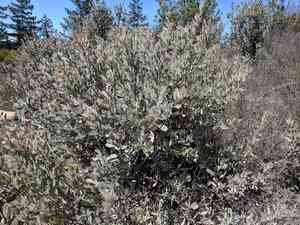
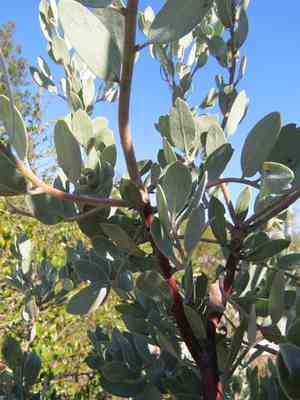
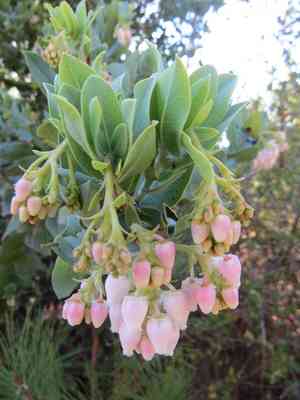
Look for silvery-green leaves that are oval-shaped and have a smooth surface. The shrub produces small, urn-shaped, pink to white flowers and red to brown berries.
Scientific Classification of Bonny doon manzanita
Phylum
Vascular plants
Class
Dicotyledons
Order
Ericales
Family
Heath
Genus
Arctostaphylos
Species
Bonny doon manzanita
Planting and Growing of Bonny doon manzanita
Care Difficulty
Moderate
Watering Schedule
Every 2 days
Sunlight Requirements
Full sun
Sunshine Duration
6-10 hours
Ideal Temperature
65-75℉
Soil Type
Potting Mix, Peat Mix
Soil pH
6.5-7.5
Fertilizer Type
Balanced
Pruning Season
Spring, Summer
Pruning Area
Branches, Leaves
Pruning Frequency
Once a year
Repotting Season
Spring
Pot Type
Plastic, Ceramic
 How to Water Bonny doon manzanita?
Arctostaphylos silvicola thrives when watered appropriately, adhering to its native drought-tolerant habitat. Water deeply but infrequently, ensuring around 500 milliliters per session so the soil is thoroughly moist yet not waterlogged. Allow the topsoil to dry between watering to prevent root rot.
What are the symptoms of an underwatered Bonny doon manzanita?
›
What should I do if my Bonny doon manzanita is not getting enough water?
›
What are the symptoms of an overwatered Bonny doon manzanita?
›
How to save an overwatered Bonny doon manzanita?
›
 What Are the Sunlight Requirements for Bonny doon manzanita?
Arctostaphylos silvicola prefers a light range of full sun to partial sun. Optimal light encourages vigorous growth and enhances overall plant health by enabling efficient photosynthesis and nutrient uptake.
What is the optimal amount of sunlight?
›
How can I ensure optimal lighting indoors?
›
What benefits are gained from ideal lighting?
›
 What Is the Ideal Temperature Range for Bonny doon manzanita?
The ideal temperature range for Arctostaphylos silvicola is between 65°F and 75°F. At these temperatures, the plant thrives, showing optimal growth and vibrant foliage. This range supports critical physiological processes such as photosynthesis and nutrient uptake, ensuring overall plant health. Keeping temperature within this ideal range minimizes stress and helps the plant maintain its natural resistance to pests and diseases.
 What Soil is Best for Bonny doon manzanita?
Arctostaphylos silvicola thrives in well-drained soils, preventing root rot and ensuring healthy growth. Ideal drainage simulates its natural habitat, supporting robust root systems. This plant adapts well to nutrient-poor soils, reducing competition with more nutrient-demanding plants, and showcasing its hardiness in challenging environments. While it prefers dry conditions, slight moisture retention in the soil supports root health without overwhelming the plant, crucial for resilience during dry spells.
 How to Fertilize Bonny doon manzanita?
For Arctostaphylos silvicola, ensure you apply a balanced, slow-release granular fertilizer at a rate of one pound per 100 square feet, typically once in early spring and again in mid-summer. Liquid fertilizers should be diluted to half-strength and can be used sparingly to avoid nutrient burn.
 How to Prune Bonny doon manzanita?
Focus on removing dead or diseased branches first to maintain plant health. Next, prune for shape by cutting back any overly long branches to encourage a more compact growth habit. Use clean, sharp tools to ensure smooth cuts and prevent damage. Conduct major pruning in early spring before new growth starts to shape the plant and encourage robust flowering. For minor touch-ups, perform a light trim in late summer to maintain shape and remove any errant shoots.
More About Pruning Techniques→
 How to Propagate Bonny doon manzanita plant?
1
Choose mature seeds from robust and healthy Arctostaphylos silvicola plants. Proper timing and seed maturity are crucial, usually after the berry-like fruits have developed fully.
2
Select healthy twigs for cuttings, preferably semi-hardwood, and ensure they are 4-6 inches long. Remove any lower leaves to prevent rotting when planted in the substrate.
3
Sow seeds or plant cuttings into pots filled with a well-draining mix, such as a combination of sand and peat. Keep the environment adequately moist and warm but avoid over-watering.
 How to Repot Bonny doon manzanita plant?
1
You'll know it's time to repot your Arctostaphylos silvicola when you notice roots growing through the drainage holes, the soil losing its effectiveness in retaining moisture, or the plant itself seems to be growing less vigorously than usual. Ideally, repot in the spring or autumn when the plant is not in its dormant or active growth phase.
2
Select a pot that is one size larger than the current one, ensuring there's about an inch or two of space around the root ball. A good pot will have sufficient drainage holes to prevent water from accumulating at the base, which helps avoid root rot. Consider terracotta pots as they allow for better air circulation to the roots.
3
Opt for a soil mix that mimics the plant's natural environment. A well-draining sandy loam is ideal as it provides the right balance of moisture retention and aeration, preventing the roots from sitting in water. Adding some coarse sand or perlite can enhance drainage, which is crucial for healthy root growth.



