How to Propagate Bonny doon manzanita?
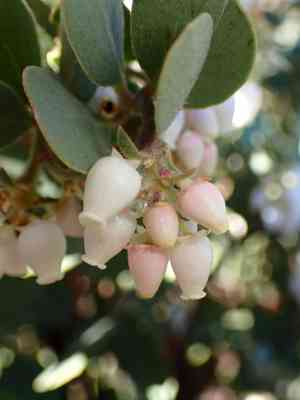
The Bonny doon manzanita, a unique evergreen shrub native to particular environments, benefits from semi-hardwood cuttings for successful propagation. Ensure these cuttings originate from robust, pathogen-free sections of the plant. To stimulate root development, treat them with a rooting compound prior to insertion into a sandy, well-draining substrate. Keep the soil consistently moist but avoid saturation to avert root decay. Position the cuttings in a protected spot receiving filtered light, and understand that these plants may take time to become fully established.
When Is the Optimal Time to Propagate Bonny Doon Manzanita?
Propagation Method
Cutting
Propagation Period
Spring,Summer
What Equipment Is Utilized for Bonny Doon Manzanita Propagation?
Sharp Pruning Shears
Pruning shears are vital for obtaining clean, precise cuttings from bonny doon manzanita. High-quality, sharp tools minimize harm to both the parent plant and the cuttings, which is essential for encouraging successful root formation.
Rooting Hormone
Rooting hormone assists in the rooting process of cuttings by stimulating root growth. For bonny doon manzanita, a powdered or gel form of rooting hormone can improve the chances of successful propagation.
Propagation Trays
Propagation trays offer a controlled setting for rooting cuttings. They help maintain consistent moisture and temperature levels, crucial for the root development of bonny doon manzanita.
Humidity Dome
A humidity dome placed over the propagation trays helps retain moisture, creating a humid environment that supports root growth and lessens the risk of desiccation in bonny doon manzanita cuttings.
Sterile Potting Mix
A well-draining sterile potting mix, such as a blend of perlite and peat moss, is perfect for rooting bonny doon manzanita cuttings. It provides the necessary aeration and moisture retention required for root establishment.
Spray Bottle
A spray bottle is used to mist the cuttings regularly, helping to maintain high humidity levels around the cuttings of bonny doon manzanita, which is critical for reducing water loss and encouraging rooting.
Heat Mat
A heat mat positioned beneath the propagation tray can help maintain a consistent and warm soil temperature, which is particularly beneficial for the root development of bonny doon manzanita.
Labels and Markers
Labels and markers are important for tagging cuttings with relevant information such as the date of cutting and any treatment applied. This helps in tracking the progress and ensuring proper care of each bonny doon manzanita cutting.
How to Propagate Bonny Doon Manzanita?
Propagation Type
Moderately Difficult
How to Care for Your Newly Propagated Bonny Doon Manzanita?
How to Care for Your Newly Propagated Bonny Doon Manzanita?
Once the cuttings have successfully rooted and new growth is visible, gradually acclimatize the new plants to outdoor conditions by exposing them to increasing amounts of direct sunlight. Transplant the rooted cuttings into individual pots or directly into the ground if they are sufficiently hardy. Water the young plants regularly but allow the soil to dry out slightly between watering to prevent root rot. Bonny doon manzanita prefers well-draining soil and can tolerate some drought once established.
Common Mistakes to Avoid When Propagating Bonny Doon Manzanita
Overwatering
Excess moisture can lead to root rot and fungal diseases, which hinder healthy root development and propagation success.
Using the wrong soil
Soil that is too rich or retains too much moisture can suffocate the roots and promote disease.
Taking cuttings at the wrong maturity
Using immature or overly mature cuttings reduces the likelihood of successful rooting, as they may lack the necessary hormones for root development.
Insufficient sunlight
Lack of proper light can slow growth and reduce the plant's overall vigor, making it harder for cuttings to establish.
Tips For Propagating Bonny Doon Manzanita
Well-draining soil
Use a sandy or gritty soil mix to ensure proper drainage and avoid waterlogged conditions.
Semi-hardwood cuttings
Take cuttings from semi-hardwood growth, which typically has the best balance of maturity and growth hormones for rooting.
Maintain humidity
Keep cuttings in a humid environment to prevent them from drying out while roots are forming, such as using a plastic bag or humidity dome.
Adequate sunlight
Provide bright, indirect light to help cuttings grow strong and healthy without the risk of leaf scorch.



