How to Prune San bruno mountain manzanita?
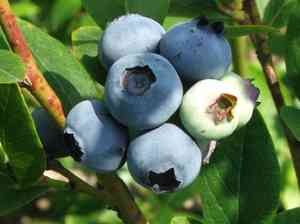
San bruno mountain manzanita is a unique shrub recognized for its thick leaves and particular development pattern. Trimming ought to occur in the early spring. Remove any lifeless or compromised branches to foster more robust development and reduce crowded sections to enhance air movement. Refrain from extensive cutting, as it could harm the plant. Shaping san bruno mountain manzanita improves its inherent shape, wards off illness, and encourages abundant flowering. Regular, gentle trimming preserves the plant's framework and vitality.
What Are the Benefits of Pruning San Bruno Mountain Manzanita?
What Are the Benefits of Pruning San Bruno Mountain Manzanita?
Trimming san bruno mountain manzanita promotes vigorous development by improving air circulation and light penetration. It also maintains the plant's form, preventing excessive growth and enhancing its overall look. Regular trimming helps reduce pest problems and potential illnesses by eliminating diseased or dead branches.
What Is the Best Time for Pruning San Bruno Mountain Manzanita?
What Is the Best Time for Pruning San Bruno Mountain Manzanita?
Trimming in early spring is ideal for san bruno mountain manzanita, allowing the plant to recover before its active growth phase. This timing avoids disrupting the plant's flowering and fruiting cycles, ensuring healthy development and a good display of blooms. Additionally, early spring pruning helps remove any winter damage and shapes the plant before new growth begins, fostering a more robust and visually appealing structure.
What Tools Do I Need to Prune San Bruno Mountain Manzanita?
Hand Pruners
Perfect for making precise cuts on small branches and twigs, crucial for shaping san bruno mountain manzanita and removing dead or unhealthy wood.
Loppers
Effective for cutting through thicker branches up to 2 inches in diameter. Their extended handles provide increased leverage, simplifying the handling of san bruno mountain manzanita's larger growths.
Pruning Saw
Essential for cutting larger branches that cannot be managed with hand pruners or loppers. Its sharp blade ensures accurate cuts that minimize harm to san bruno mountain manzanita.
Bypass Pruners
Preferred for making clean, accurate cuts close to the main stem, vital for preventing damage and ensuring healthy regrowth for san bruno mountain manzanita.
Pole Pruner
Allows access to higher branches without ladders, offering a safer method for maintaining the overall shape and health of san bruno mountain manzanita.
How to Prune San Bruno Mountain Manzanita
Assessment
Inspect san bruno mountain manzanita to identify diseased leaves, withered leaves, dead branches, and diseased branches. Use clean, sharp pruning tools to prevent further disease spread.
Diseased leaves
Remove any affected leaves. Make clean cuts and dispose of the diseased foliage away from the garden to prevent pathogen spread.
Withered leaves
Trim away dried-up leaves close to their base to encourage healthy new growth. Ensure no stubs are left, as they can become disease entry points.
Dead branches
Cut dead branches back to the nearest healthy section of the plant. Make angled cuts to facilitate water runoff, which helps prevent rot.
Diseased branches
Prune out diseased branches by cutting several inches below the affected area into healthy wood. Sanitize your tools between each cut to avoid contamination.
Common Pruning Mistakes with San Bruno Mountain Manzanita
Over-pruning
Removing too much foliage at once can stress san bruno mountain manzanita, hindering its growth or reducing flowering. This plant prefers minimal pruning to maintain its natural shape.
Poor cutting technique
Using dull or unsuitable tools can result in jagged cuts, increasing the risk of disease and poor healing.
Incorrect pruning cuts
Making cuts too close to the main stem or leaving too long of a stub can impede the plant's healing and increase susceptibility to pests and diseases.
Pruning at the wrong time
Although timing is intentionally omitted here, pruning during new growth periods or the wrong season can lead to poor recovery and reduced bloom.
Common Pruning Tips for San Bruno Mountain Manzanita
Use sharp, clean tools
Ensure your pruning shears or saws are sharp and sanitized to make clean cuts, reducing the risk of infection.
Light pruning
Only remove dead, damaged, or diseased branches and minimal amounts of live growth to maintain the natural form of san bruno mountain manzanita.
Angle your cuts
Make cuts at a slight angle to prevent water from settling on the wound, which helps avoid disease.
Consider the plant's shape
Focus on maintaining its natural, bushy form. Avoid drastic shaping or excessive trimming which can harm its aesthetic and health.
Monitor regularly
Regularly check for dead or diseased branches and remove them promptly to maintain overall plant health.



