How to Propagate San bruno mountain manzanita?
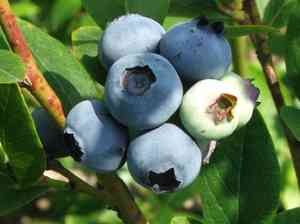
Arctostaphylos sanbrunensis is a resilient, perennial shrub indigenous to particular regions. To achieve effective propagation, take semi-hardwood cuttings in the early morning, choose robust material from the present year's growth, strip off the bottom leaves, and apply a rooting stimulant to boost root formation. Confirm that the cuttings are situated in porous soil and maintained in a moist atmosphere until roots emerge. After they are rooted, transfer them to an appropriate site with suitable soil and illumination.
Optimal Time for San Bruno Mountain Manzanita Propagation
Propagation Method
Cutting
Propagation Period
Spring,Summer
Tools Utilized in San Bruno Mountain Manzanita Propagation
Pruning Shears
Pruning shears are crucial for obtaining cuttings from san bruno mountain manzanita. They deliver clean, precise cuts that minimize plant tissue damage, thereby boosting the likelihood of successful rooting.
Rooting Hormone
Rooting hormone encourages the development of roots in cuttings. For san bruno mountain manzanita, it stimulates quicker and stronger root growth, vital for the plant's establishment.
Sterile Propagation Tray
A sterile propagation tray offers a clean environment for placing the cuttings. It lowers the risk of disease and pests, which is essential for the early growth phases of san bruno mountain manzanita.
Perlite or Vermiculite
Perlite or vermiculite is employed to create a well-draining propagation medium. This ensures san bruno mountain manzanita cuttings do not rot and have access to oxygen, fostering healthy root development.
Humidity Dome
A humidity dome maintains elevated humidity levels around the cuttings, which aids san bruno mountain manzanita in retaining moisture and enhances the chances of successful rooting by preventing dehydration.
Heating Mat
A heating mat provides warmth from below, which can boost root development for san bruno mountain manzanita by maintaining a consistent temperature, promoting an ideal environment for root initiation and growth.
Rubbing Alcohol
Rubbing alcohol is used to sanitize tools before and after taking cuttings, which prevents the spread of diseases and ensures the health of san bruno mountain manzanita.
Sharp Knife or Scalpel
A sharp knife or scalpel is useful for making accurate cuts when preparing san bruno mountain manzanita cuttings, ensuring minimal damage to plant tissues for improved rooting success.
How to Propagate San Bruno Mountain Manzanita?
Propagation Difficulty
Moderately Difficult
Caring for Your Newly Propagated San Bruno Mountain Manzanita
Caring for Your Newly Propagated San Bruno Mountain Manzanita
Once rooted, gradually introduce san bruno mountain manzanita to outdoor conditions by increasing sun exposure and decreasing humidity over several weeks. When established, san bruno mountain manzanita thrives in well-drained soil with occasional watering, especially during dry periods. Regularly check for pests and diseases, and prune as needed to maintain its form and encourage robust growth.
Common Errors to Avoid When Propagating San Bruno Mountain Manzanita
Excessive Watering
Overwatering can lead to root rot, as san bruno mountain manzanita prefers well-draining soils. Too much water can suffocate the roots and impede plant growth.
Incorrect Soil PH
Using soil with an unsuitable pH can hinder nutrient absorption. San bruno mountain manzanita requires acidic to slightly acidic soil; alkaline soil can stunt its growth.
Not Using Fresh Cuttings
Aged or dry cuttings struggle to propagate successfully. Fresh, healthy cuttings increase the likelihood of root formation.
Exposure to Direct Sunlight
San bruno mountain manzanita cuttings are sensitive to direct sunlight, which can cause them to dry out and reduce the chance of successful rooting.
Neglecting Sanitation
Using uncleaned tools can introduce diseases and pests, compromising the health of san bruno mountain manzanita cuttings.
Tips For Propagating San Bruno Mountain Manzanita
Use Well-Draining Soil
Ensure the soil mixture drains well to prevent waterlogging, which can cause root rot.
Maintain Ideal Soil pH
Check and adjust the soil pH to be slightly acidic for optimal growth conditions.
Take Fresh Cuttings
Always use fresh, healthy cuttings taken from a robust parent plant to increase the chances of successful propagation.
Provide Indirect Light
Place the cuttings in an area with bright, indirect light to prevent drying out while allowing adequate light for photosynthesis.
Keep Tools Clean
Sterilize cutting tools and containers to avoid introducing pathogens that could harm the young plants.



