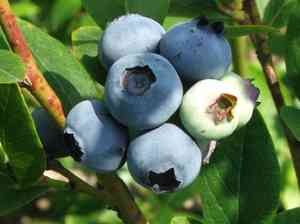
San bruno mountain manzanita (Arctostaphylos imbricata)
Also known as: San Bruno Mountain manzanita
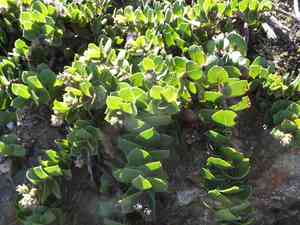
The San Bruno Mountain manzanita is a hardy shrub well-suited to rocky environments. Its thick, shingle-like leaves reduce water loss, while its small urn-shaped flowers attract pollinators in its native chaparral habitat. The plant's adaptable root system anchors it firmly in the soil, providing stability and drought resistance, which are key to its success in tough conditions.
In This Article
Attributes of San bruno mountain manzanita
Lifespan
Perennial
Plant Type
Shrub
Plant Height
Up to 0.5 meters (1.6 feet)
Spread
Approximately 1 meter (3.3 feet)
Leaf Color
Dark green
Flower Size
Approximately 0.6 centimeters (0.2 inches)
Flower Color
White to pink
Images of San bruno mountain manzanita
Quickly Identify San bruno mountain manzanita
1
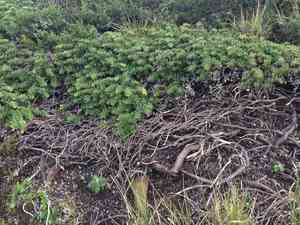
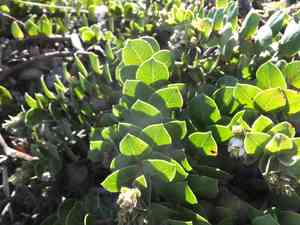
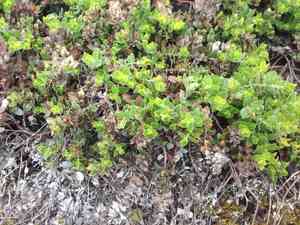
Arctostaphylos imbricata can be identified by its dense, mat-like growth habit and dark red bark. The leaves are small, ovate, and exhibit an imbricate arrangement, meaning they overlap like tiles. The plant produces small, white to pink urn-shaped flowers which develop into reddish-brown berries.
Scientific Classification of San bruno mountain manzanita
Phylum
Vascular plants
Class
Dicotyledons
Order
Ericales
Family
Heath
Genus
Arctostaphylos
Species
San bruno mountain manzanita
Planting and Growing of San bruno mountain manzanita
Care Difficulty
Moderate
Watering Schedule
Every 2 days
Sunlight Requirements
Full sun
Sunshine Duration
6-10 hours
Ideal Temperature
50-70℉
Soil Type
Potting Mix, Peat Mix
Soil pH
6.5-7.5
Fertilizer Type
Balanced
Pruning Season
Spring, Summer
Pruning Area
Branches, Leaves
Pruning Frequency
2 times a year
Repotting Season
Spring
Pot Type
Plastic, Ceramic
 How to Water San bruno mountain manzanita?
Arctostaphylos imbricata prefers less frequent watering with a moderate amount of water. Ensure that the soil is completely dry before you water again. Pour around 200 ml of water gently and allow it to seep into the soil without flooding the plant's base.
What are the symptoms of an underwatered San bruno mountain manzanita?
›
What should I do if my San bruno mountain manzanita is not getting enough water?
›
What are the symptoms of an overwatered San bruno mountain manzanita?
›
How to save an overwatered San bruno mountain manzanita?
›
 What Are the Sunlight Requirements for San bruno mountain manzanita?
Arctostaphylos imbricata thrives in full to partial sun, preferring around 6 to 8 hours of direct sunlight daily. This light exposure facilitates vigorous growth, vibrant foliage, and increased resilience to environmental stressors.
How much sunlight does Arctostaphylos imbricata need?
›
What if I cannot provide full sun?
›
What are the benefits of ideal sunlight exposure for this plant?
›
 What Is the Ideal Temperature Range for San bruno mountain manzanita?
The ideal temperature range of 50°F to 70°F for Arctostaphylos imbricata supports optimal growth by ensuring that the plant's metabolic processes are functioning efficiently. This temperature range allows for proper photosynthesis, nutrient uptake, and water usage within the plant.
 What Soil is Best for San bruno mountain manzanita?
Arctostaphylos imbricata flourishes in well-drained soil, essential to prevent root rot and support healthy plant growth. Well-drained conditions allow water to percolate efficiently, ensuring roots have adequate oxygen. This plant thrives on low nutrient soil, characteristic of sandy and rocky terrains. A lean soil environment promotes the botanical adaptation of growing deep roots and developing a robust structure to seek nutrients. Arctostaphylos imbricata does best in soil with a pH ranging from 6.5 to 7.5. This pH range facilitates proper nutrient uptake, ensuring the plant maintains optimal health and vigor.
 How to Fertilize San bruno mountain manzanita?
For Arctostaphylos imbricata, use a balanced fertilizer with an NPK ratio of 10-10-10. For liquid fertilizers, apply at a rate of 1/2 teaspoon per gallon of water. When using slow-release types, opt for a modest quantity of around 1 tablespoon per plant base in early spring and repeat twice more in equal intervals over the year.
 How to Prune San bruno mountain manzanita?
Before starting, inspect your Arctostaphylos imbricata for any dead or diseased branches. Remove these first as they can hinder healthy growth and promote pest infestations. Gently shape the plant to maintain its natural appearance by trimming long shoots. Follow the plant's natural lines and ensure even growth by removing any oddly positioned branches. Prune strategically to open up the center of the plant, allowing for better air circulation. This helps prevent fungal disease and promotes a healthier plant environment.
More About Pruning Techniques→
 How to Propagate San bruno mountain manzanita plant?
1
Select semi-hardwood stems and cut 4-6 inch segments. Remove any leaves from the lower section of the cutting to prevent rot and encourage root growth.
2
Dip the cut end in rooting hormone, then plant it in well-draining soil. Make sure the soil is sterile and lightly water the cuttings after planting them in containers.
3
For seed propagation, prepare a seed tray with a sandy soil mix. Sow seeds lightly on the surface, keep the soil moist, and place the tray in a warm, bright location until germination occurs.
 How to Repot San bruno mountain manzanita plant?
1
Arctostaphylos imbricata should be repotted when you observe stunted growth, roots coming out of the drainage holes, or compacted soil. Repotting during these signs ensures the plant continues to thrive in its environment.
2
Select a pot that is 2 inches larger in diameter than the current one, with ample drainage holes. Using the right sized pot prevents waterlogging and allows room for growth, reducing the need for frequent repotting.
3
Opt for a soil that's well-draining with a sandy mix to mimic its natural habitat. This ensures proper aeration around the roots, preventing root rot and maintaining healthy plant growth.



