How to Prune Hooker's manzanita?
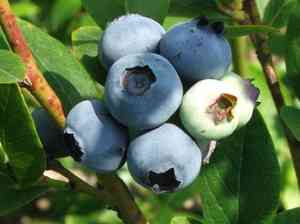
This perennial woody plant, recognized for its contorted limbs and bell-shaped pink blossoms, flourishes with infrequent trimming. Trim hooker's manzanita during the winter season to preserve its structure and stimulate robust development. Eliminate any deceased or ailing wood and thin out congested sections to improve light access and air movement. Consistent trimming additionally deters prevalent ailments and elevates its aesthetic by fostering fresh, energetic growth. Prioritize retaining its inherent silhouette over extensive shaping.
What Are the Benefits of Pruning Hooker's Manzanita?
What Are the Benefits of Pruning Hooker's Manzanita?
Trimming hooker's manzanita encourages robust development and maintains its desired form. Regular cutting aids in enhancing light penetration and air circulation, vital for the plant's well-being and look.
What Is the Best Time for Pruning Hooker's Manzanita?
What Is the Best Time for Pruning Hooker's Manzanita?
Pruning hooker's manzanita during winter is considered ideal as this period aligns with the plant's dormant phase, reducing stress and sap loss. Winter trimming allows for a clear view of the plant's structure due to the absence of leaves, facilitating better shaping and the removal of dead or diseased wood. Additionally, cutting back at this time prepares hooker's manzanita for vigorous spring growth, boosting flowering and overall vitality.
What Tools Do I Need to Prune Hooker's Manzanita?
Bypass Pruners
Bypass pruners are excellent for hooker's manzanita because they make clean cuts without crushing plant tissues. These are perfect for trimming smaller, live stems up to about half an inch in diameter, supporting healthy plant growth and recovery.
Lopping Shears
For branches that are somewhat thicker, typically up to 1.5 inches in diameter, lopping shears are very useful. They offer greater leverage and are ideal for reaching deeper into the thicker branches of hooker's manzanita without causing undue strain on the gardener.
Pruning Saw
For the thickest branches of hooker's manzanita, which bypass pruners or lopping shears might struggle with, a pruning saw is essential. This tool allows for cutting through dense, woody branches over 1.5 inches in diameter, crucial for shaping and managing the plant's growth.
Hand Gloves
Although not a cutting tool, hand gloves are vital when pruning hooker's manzanita, protecting hands from scratches and ensuring a safer pruning experience.
Sharpening Tool
Keeping pruning tools sharp ensures that every cut is clean and precise, which is critical for the health of hooker's manzanita. Dull tools can harm branches and impede recovery, potentially leading to illness.
How to Prune Hooker's Manzanita
Identify
Locate and evaluate the withered leaves, dead branches, and diseased branches on hooker's manzanita. Carefully inspect the foliage and stems to identify these parts, as their prompt removal contributes to overall plant health and appearance.
Remove leaves
Using a pair of clean, sharp scissors or hand pruners, carefully snip off withered or dead leaves from hooker's manzanita. Ensure each cut is close to the base of the leaf stem to promote healing and prevent damage to the healthier sections.
Remove dead branches
Utilize sterilized pruning shears to trim dead branches on hooker's manzanita. Cut the branches at the point where they connect to a larger branch or the trunk, making a clean, angled cut to facilitate water runoff and prevent disease.
Cut diseased branches
Eliminate any diseased branches from hooker's manzanita to stop the spread of infection. Make cuts at least a few inches into healthy wood beyond the diseased area. Immediately dispose of these branches to avoid contaminating the surrounding space.
Cleanup
After pruning, clear away all removed leaves and branches from around hooker's manzanita. Proper disposal of plant debris helps minimize the risk of disease recurrence and keeps the growing area neat.
Common Pruning Mistakes with Hooker's Manzanita
Over pruning
A common error with hooker's manzanita is removing too much foliage, which can significantly stress the plant. Hooker's manzanita naturally possesses a beautiful structure and often requires only minimal pruning. Excessive cutting back can hinder rather than help its growth.
Improper cut location
Another frequent mistake is making cuts in incorrect places. For hooker's manzanita, it's crucial to cut just above a leaf node or bud. Incorrect cuts can result in dead stubs that attract pests and diseases.
Using dull tools
Employing dull pruning tools can cause damage to the branches of hooker's manzanita, leading to jagged cuts that heal poorly. These injuries can become entry points for diseases, affecting overall plant health.
Common Pruning Tips for Hooker's Manzanita
Selective pruning
Focus on selective pruning to remove only the dead, diseased, or broken branches. This approach helps maintain the natural form of hooker's manzanita while encouraging a healthier, more vigorous plant.
Cleanliness
Ensure that all pruning tools are clean and sharp. This practice prevents the spread of disease between plants and allows for cleaner, more efficient cuts.
Cut angle
When pruning hooker's manzanita, make cuts at a slight angle, about 1/4 inch above a bud facing outward. This technique encourages optimal water runoff and directs new growth outward, improving the plant’s structure and sunlight exposure.



