How to Propagate Hooker's manzanita?
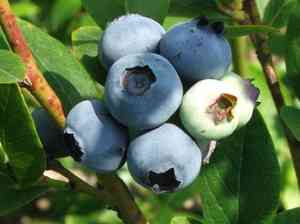
Effective propagation of Hooker's manzanita is achieved through stem sections. For optimal results, choose robust semi-woody portions during their initial development. Carefully apply a rooting stimulant to the severed ends prior to placing them in a sandy, well-aerated potting mix. Continuously damp substrate and dappled light will facilitate root formation, ensuring the environment replicates Hooker's manzanita's native habitat.
Optimal Period for Hooker's Manzanita Propagation
Propagation Method
Cutting
Propagation Period
Spring,Summer
Tools Required for Hooker's Manzanita Propagation
Sharp pruning shears
These are vital for obtaining clean, precise cuttings from hooker's manzanita. Keen blades help prevent harm to the parent plant and ensure a neat cut, which is essential for the healthy rooting of the cuttings. This lowers the chance of infection and boosts propagation success.
Rooting hormone
This compound promotes root development in hooker's manzanita cuttings. Dipping the cut end of the cutting into rooting hormone can significantly increase the likelihood of root formation. This is especially beneficial for hooker's manzanita as it can sometimes be difficult to root.
Sterile potting mix
Employing a sterile potting mix aids in disease prevention and fosters an ideal setting for root growth. For hooker's manzanita, a mix that drains well yet retains moisture is perfect, as it supports initial root development without becoming waterlogged.
Propagation tray
A propagation tray is useful for organizing and managing multiple hooker's manzanita cuttings simultaneously. These trays also help maintain consistent moisture levels and temperature, both critical for the rooting success of cut hierofs.
Plastic covers or mini-greenhouses
These coverings maintain high humidity around hooker's manzanita cuttings, which is crucial to prevent the delicate cuttings from drying out before they establish roots. The controlled environment also aids in accelerating root development.
Heating mats
For hooker's manzanita, maintaining an optimal and consistent rooting temperature can enhance rooting success, especially in cooler climates. A heating mat set to a gentle warmth can promote faster root growth without overheating the young cuttings.
How to Propagate Hooker's Manzanita?
Propagation Type
Moderately Difficult
Post-Propagation Care for Your Hooker's Manzanita
How to Care for Your Newly Propagated Hooker's Manzanita?
Following successful propagation of hooker's manzanita, gradually introduce the new plants to their permanent environment. Plant them in well-draining soil that mimics their natural habitat, with full sun exposure. Water them regularly but allow the soil to dry slightly between waterings, as hooker's manzanita is drought-tolerant. Fertilization is generally not needed, but if desired, use a balanced, slow-release fertilizer once a year during the growing season. Monitor for pests and diseases, particularly fungal infections, which can occur in overly moist conditions.
Common Errors to Avoid When Propagating Hooker's Manzanita
Overwatering
Excessive watering of hooker's manzanita is a frequent error that can lead to root rot, diminishing the plant's vigor and hindering successful propagation.
Using poor drainage soil
Soil lacking adequate drainage is problematic for hooker's manzanita as it heightens the risk of fungal infections, negatively impacting root development and overall plant health.
Deep planting
Planting hooker's manzanita cuttings too deeply can impede their growth by limiting air exposure and reducing the cuttings' ability to establish a robust rooting system.
Advice for Propagating Hooker's Manzanita
Use well-draining soil
Employing well-draining soil provides the necessary balance of moisture retention and drainage, crucial for the healthy root development of hooker's manzanita.
Provide indirect light
Positioning hooker's manzanita in indirect light helps prevent leaf scorching while providing sufficient light for growth, especially important during the rooting and initial growth phases.
Moderate watering
Maintaining moderate watering ensures the soil remains moist but not waterlogged, providing the optimal moisture level for the successful propagation of hooker's manzanita.



