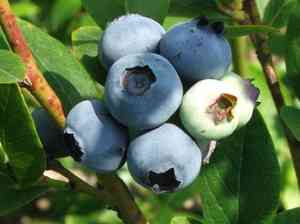
Hooker's manzanita(Arctostaphylos hookeri)

Hooker's manzanita (Arctostaphylos hookeri)

Also known as: Monterey manzanita, Franciscan manzanita

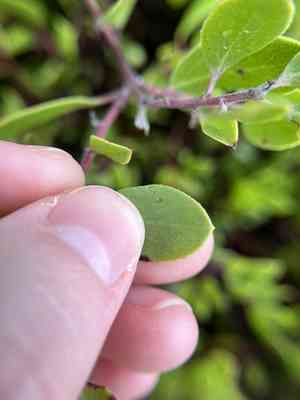
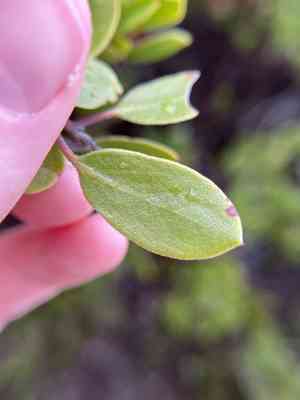
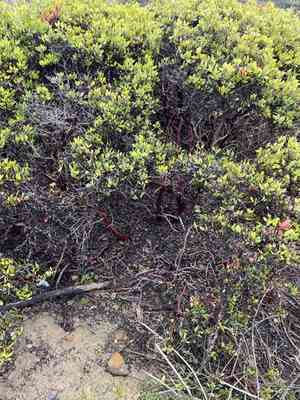
Arctostaphylos hookeri, known as Hooker's manzanita, is an adaptable evergreen shrub native to California, exhibiting significant variation across its subspecies. It typically forms either low, mat-like ground cover or small, bushy shrubs. The plant features small, oval, leathery leaves that are dark green in color. Its flowers, which appear in dense clusters, range from white to pale pink and bloom from late winter to early spring. The fruits are shiny, red to brown, and resemble small berries. Different subspecies and varieties show distinct growth habits and leaf shapes, reflecting the plant's adaptability to various ecological niches within its native range.

Attributes of Hooker's manzanita

Lifespan
Perennial
Plant Type
Shrub
Plant Height
30 cm to 91 cm
Spread
2 m
Leaf Color
Green
Flower Size
0.2 to 0.3 inches (0.5 to 0.8 cm)
Flower Color
White Pink

ForwardPlant - Identify plants with a snap

Identify and diagnose plants, get toxicity alerts, and explore safety guides for all types of fungi.

Try for Free

Images of Hooker's manzanita

Hooker's manzanita(Arctostaphylos hookeri)

Quickly Identify Hooker's manzanita

1
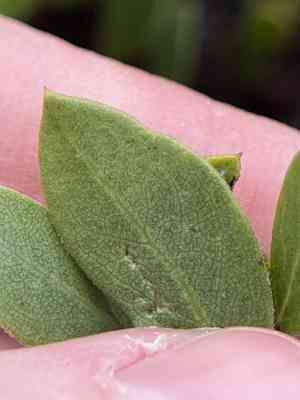
The plant can be identified by its smooth reddish-brown bark, small, leathery, dark green leaves, and the clusters of white to pink urn-shaped flowers. The leaves are ovate to lance-shaped. It typically blooms from late winter to early spring.

Scientific Classification of Hooker's manzanita

Phylum
Vascular plants
Class
Dicotyledons
Order
Ericales
Family
Heath
Genus
Arctostaphylos
Species
Hooker's manzanita

Planting and Growing of Hooker's manzanita

Care Difficulty
Easy
Watering Schedule
Every 3 days
Sunlight Requirements
Full sun
Sunshine Duration
6-10 hours
Ideal Temperature
60-75℉
Soil Type
Potting Mix, Peat Mix
Soil pH
6.5-7.5
Fertilizer Type
Balanced
Pruning Season
Spring, Summer
Pruning Area
Branches, Leaves
Pruning Frequency
2 times a year
Repotting Season
Spring
Pot Type
Plastic, Ceramic

water icon How to Water Hooker's manzanita?

When watering Arctostaphylos hookeri, aim for about 250 milliliters per session. The goal is to moisten the top 2 to 3 inches of soil without soaking it completely. This ensures the roots have access to necessary moisture without being waterlogged, which can cause root rot.
What are the symptoms of an underwatered Hooker's manzanita?
What should I do if my Hooker's manzanita is not getting enough water?
What are the symptoms of an overwatered Hooker's manzanita?
How to save an overwatered Hooker's manzanita?

sunlight icon What Are the Sunlight Requirements for Hooker's manzanita?

Sunlight Requirements: Full sun, Partial sun
Duration of light: 6-8 hours daily
Partial to full sunlight is ideal, offering Arctostaphylos hookeri the conditions to photosynthesize efficiently and stimulate healthy growth and flowering.
What is the ideal lighting duration for Arctostaphylos hookeri?
How can I provide the ideal lighting conditions for my plant?
What are the benefits of optimal lighting for this plant?

temperature icon What Is the Ideal Temperature Range for Hooker's manzanita?

Ideal Temperature: 60 ~ 75℉
The ideal temperature range for growing Arctostaphylos hookeri is between 60°F to 75°F. This range supports optimal metabolic rates, ensuring healthy growth and development. Within this temperature window, photosynthesis occurs efficiently, contributing to strong root and leaf structure development.

soil icon What Soil is Best for Hooker's manzanita?

Soil type: Sandy soil, Loam, Sandy loam
Soil PH: 6.5 ~ 7.5
Arctostaphylos hookeri prefers well-drained soils to prevent root rot and other diseases. Ensuring the soil has good drainage improves the plant's overall health and supports lush foliage. A nutrient-rich soil aids in the robust growth of Arctostaphylos hookeri, promoting its vibrant leaf color and healthy development. This requirement helps the plant thrive and maintain its aesthetic appeal. While Arctostaphylos hookeri is drought-tolerant, moderate soil moisture supports optimal growth. Keeping the soil from getting too dry or too wet reduces stress on the plant, enhancing its durability.

fertilize icon How to Fertilize Hooker's manzanita?

Fertilizer type: Balanced
When fertilizing Arctostaphylos hookeri, it is essential to use a light hand. This plant prefers fertile soils, but an excess of nutrients can cause more harm than good. Use a balanced, slow-release fertilizer, applying no more than 1/4 cup for mature plants.

prune icon How to Prune Hooker's manzanita?

Pruning Time: Spring, Summer
Begin by assessing the overall condition of your Arctostaphylos hookeri. Identify any dead or diseased branches, as these will be your priority when pruning. Carefully remove any dead or diseased branches. Make clean cuts close to the main branch or trunk without leaving stubs. Trim back branches to maintain the plant’s natural shape. Regular shaping encourages healthy growth and enhances the aesthetic appeal of the plant. Thinning out some interior branches can improve air circulation, allowing light to penetrate the canopy, which is beneficial for the plant’s overall health. More About Pruning Techniques

propagate icon How to Propagate Hooker's manzanita plant?

Propagate Time: Early spring, Late spring, Early summer
1
Collect seeds from mature Arctostaphylos hookeri plants in early spring. Ensure seeds are dried and stored properly if not sown immediately. Use a sandpaper or knife to scarify the tough seed coat, promoting better germination.
2
In late spring, take semi-hardwood cuttings from healthy, pest-free plants. Remove leaves from the lower half of the cutting and dip the end in rooting hormone to encourage root development.
3
During early summer, gently dig up mature plants and divide the root ball using a clean, sharp knife. Ensure each division has sufficient roots and foliage to survive transplanting. Replant divisions promptly to minimize stress.
More About Propagating Techniques

repot icon How to Repot Hooker's manzanita plant?

Repotting frequency: Every 2-3 years
1
Arctostaphylos hookeri should be repotted when you notice the roots emerging from the drainage holes or the plant has become root-bound. It's best to do so during its active growth periods in spring or autumn. These seasons provide moderate temperatures and optimal conditions which allow the plant to establish well in its new pot before extreme heat or cold sets in.
2
Select a pot that is only one size larger than the current one to allow for gradual root growth. A container with ample drainage holes is crucial to prevent stagnant water, which can lead to root rot in Arctostaphylos hookeri. Also, considering a clay pot can benefit this plant since clay is porous and allows excess moisture to escape, keeping the roots from sitting in water.
3
Opt for a well-draining sandy soil mixture to mimic its natural habitat. This type of soil prevents water accumulation around the roots, which is vital for preventing root decay in Arctostaphylos hookeri. Its coarse texture also provides the ideal aeration, promoting healthy root growth and giving this plant its best chance to thrive in a pot.

ForwardPlant - Identify plants with a snap

Find the best spots for them to optimize their health, simply using your phone.

Try for Free