How to Prune Bigberry Manzanita?
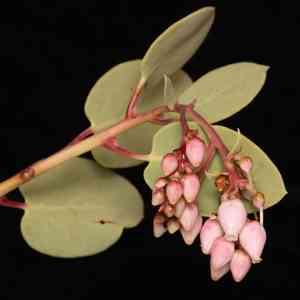
Regarding bigberry Manzanita, a resilient shrub featuring vibrant magenta blossoms and exfoliating bark, conduct pruning during the winter season to enhance its well-being and structure. Eliminate any lifeless, ailing, or intersecting branches to facilitate air circulation and foster development. Restrict the removal of living plant material to prevent hindering its growth. When shaping, adhere to the plant's inherent outline. Pruning contributes to increased vitality and preserves an appealing, organic appearance. Excessive pruning may result in diminished flowering and berry yield, thus exercise prudence.
Advantages of Trimming Bigberry Manzanita
Advantages of Trimming Bigberry Manzanita
Trimming bigberry Manzanita promotes vigorous development and preserves its desired shape. Eliminating aged or lifeless wood rejuvenates bigberry Manzanita's overall framework and stimulates fresh, robust shoots.
Optimal Time for Pruning Bigberry Manzanita
Optimal Time for Pruning Bigberry Manzanita
Late winter is considered the prime period for pruning bigberry Manzanita due to several factors. During this time, the plant is typically dormant, which minimizes the stress pruning can inflict on its systems. Pruning in late winter, just before the spring growth surge, allows gardeners to shape the plant without impacting future blooms since bigberry Manzanita usually flowers in spring. This timing also provides bigberry Manzanita ample opportunity to heal and produce new growth as temperatures rise. Furthermore, pests and diseases are less likely to infect pruning wounds during this period because they are less active in colder weather. It's crucial to avoid pruning in late fall or mid-winter when frost can harm fresh cuts.
Essential Tools for Pruning Bigberry Manzanita
Bypass Pruners
These are perfect for making clean cuts on the smaller, living branches of bigberry Manzanita. Their design allows for precise cutting, minimizing harm to the remaining plant tissue.
Loppers
Given the thicker branches that bigberry Manzanita can develop, loppers offer the extra leverage needed to effectively prune branches up to 1.5 inches in diameter.
Pruning Saw
For mature branches and stems exceeding the capacity of loppers, a pruning saw is essential. It enables cutting through thicker growth without causing undue stress to bigberry Manzanita.
Hand Shears
These are useful for shaping bigberry Manzanita, precisely snipping away smaller, unwanted shoots and leaves.
Pole Pruner
Considering the potential height of bigberry Manzanita, a pole pruner can be utilized to reach and trim higher branches that might otherwise be inaccessible.
How to Prune Bigberry Manzanita
Clean tools
Start pruning bigberry Manzanita by ensuring all pruning equipment is clean and sharp. Sanitize tools with an alcohol or bleach solution to prevent disease transmission.
Remove withered leaves
Carefully remove withered leaves from bigberry Manzanita, using hand pruners or by gently plucking them off if they detach easily. This helps improve air circulation and light penetration.
Cut dead branches
Identify and cut dead branches at their point of origin from the main stem of bigberry Manzanita, making clean cuts without leaving stubs to promote proper healing and prevent decay.
Trim diseased branches
Prune away diseased branches from bigberry Manzanita by cutting them back to healthy wood, ensuring you cut into the healthy tissue to halt the spread of illness. Dispose of diseased material properly, away from healthy plants.
Shape plant
Conclude the pruning of bigberry Manzanita by shaping the plant for aesthetic or structural purposes. Avoid heavy pruning; instead, selectively thin out branches to maintain a natural form.
Common Pruning Errors with Bigberry Manzanita
Over-pruning
Removing too much at once can stress bigberry Manzanita, leading to poor plant health and reduced vigor. This species is sensitive to heavy pruning, and it's crucial not to remove more than necessary.
Shaping erratically
Attempting to shape bigberry Manzanita into unnatural or overly manicured forms often results in unhealthy growth patterns and may compromise the plant's natural beauty.
Cutting old wood
Pruning into old, non-sprouting wood can be detrimental because bigberry Manzanita may not readily produce new shoots from such cuts, potentially leaving unsightly gaps.
Uneven cuts
Making jagged or torn cuts rather than clean ones can introduce disease and pests, significantly hindering the plant's healing process.
Neglecting tools
Using dull or unclean pruning tools can cause unnecessary harm to bigberry Manzanita, resulting in greater susceptibility to disease and damage.
General Pruning Advice for Bigberry Manzanita
Selective pruning
Focus on selectively cutting back just the tips of newer growth to shape the plant and maintain its natural form. This encourages bigberry Manzanita to become fuller and healthier.
Deadwood removal
Regularly removing dead or damaged wood helps prevent disease spread and allows bigberry Manzanita to direct more energy towards thriving parts of the plant.
Gradual renewal
For older, overgrown specimens, spread out the removal of larger stems over several seasons. This method of gradual renewal helps bigberry Manzanita recover and regrow more effectively.
Cut angle
Ensure cuts are made at a slight angle away from a leaf node or bud to promote proper water runoff and reduce the chance of fungal infections in bigberry Manzanita.
Post-pruning care
Provide bigberry Manzanita with adequate water and consider applying a layer of mulch after pruning to help the plant recover and establish new growth.



