Bigberry Manzanita (Arctostaphylos glauca)
Also known as: Bigberry Manzanita, Blue Manzanita
Bigberry Manzanita (Arctostaphylos glauca) is native to the chaparral and woodland regions of California and Baja California. This long-lived shrub, which can exceed 100 years, typically begins fruiting after twenty years. Wildfires play a crucial role in its life cycle, as the seeds require heat exposure to break dormancy and initiate germination.
In This Article
Attributes of Bigberry Manzanita
Lifespan
Perennial
Plant Type
Shrub
Plant Height
1 m to 6 m
Spread
4.5 m to 6 m
Leaf Color
Green Blue
Flower Size
8 mm
Flower Color
White Pink
Images of Bigberry Manzanita
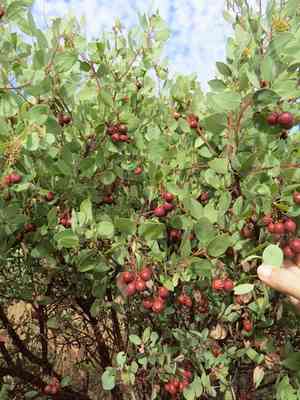
Quickly Identify Bigberry Manzanita
1
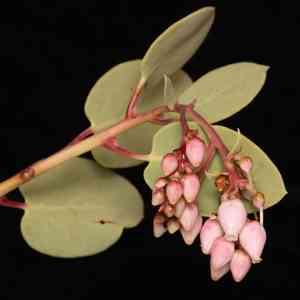
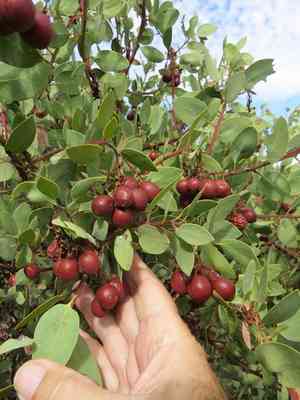
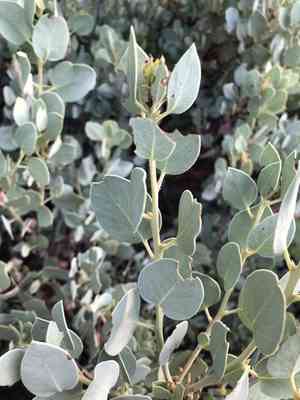
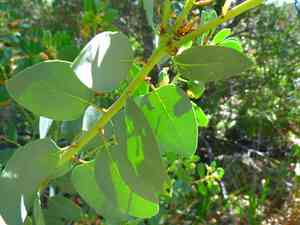
Identifying Arctostaphylos glauca involves looking for its smooth, reddish-brown bark, blue-green leaves that are 2-5 cm long, and its round to oval, white to pinkish flowers that cluster at the ends of branches.
Scientific Classification of Bigberry Manzanita
Phylum
Vascular plants
Class
Dicotyledons
Order
Ericales
Family
Heath
Genus
Arctostaphylos
Species
Bigberry Manzanita
Planting and Growing of Bigberry Manzanita
Care Difficulty
Easy
Watering Schedule
Every 2 days
Sunlight Requirements
Full sun
Sunshine Duration
4-8 hours
Ideal Temperature
60-75℉
Soil Type
Potting Mix, Peat Mix
Soil pH
6.5-7.5
Fertilizer Type
Balanced
Pruning Season
Spring, Summer
Pruning Area
Branches, Leaves
Pruning Frequency
Once a year
Repotting Season
Spring
Pot Type
Plastic, Ceramic
 How to Water Bigberry Manzanita?
For Arctostaphylos glauca, also known as the bigberry manzanita, aim to water deeply and thoroughly, ensuring water penetrates to the root zone. Each time you water, provide around 500 milliliters to mimic the deep, infrequent water supply they receive in their native environment.
What are the symptoms of an underwatered Bigberry Manzanita?
›
What should I do if my Bigberry Manzanita is not getting enough water?
›
What are the symptoms of an overwatered Bigberry Manzanita?
›
How to save an overwatered Bigberry Manzanita?
›
 What Are the Sunlight Requirements for Bigberry Manzanita?
Arctostaphylos glauca ideally flourishes under full sun conditions. The optimal light exposure allows it to maintain vibrant foliage, produce flowers abundantly, and bolster its resistance against various plant health issues.
More About Sunlight Requirements Techniques→
How much sun is ideal for Arctostaphylos glauca?
›
What can be done if my location has too much shade?
›
What are the benefits of ideal sunlight for Arctostaphylos glauca?
›
 What Is the Ideal Temperature Range for Bigberry Manzanita?
Arctostaphylos glauca prefers temperatures between 60°F and 75°F for optimal growth. This range supports the plant's photosynthesis and respiration processes, maintaining healthy development.
 What Soil is Best for Bigberry Manzanita?
Arctostaphylos glauca thrives in well-draining soil, which allows excess water to flow through, preventing root rot. This helps maintain healthy root systems essential for supporting lush foliage. Though adaptable, these plants benefit from soil rich in organic matter, which provides essential nutrients. This characteristic promotes vibrant growth and resilient health. A balance in moisture retention ensures the roots are neither waterlogged nor too dry. This balance is particularly beneficial during dry spells, supporting consistent growth.
 How to Fertilize Bigberry Manzanita?
For Arctostaphylos glauca, moderate amounts of fertilizer are adequate since these plants are adapted to nutrient-poor soils. Excessive fertilizer can lead to unhealthy growth patterns. Therefore, it is advisable to use a balanced 10-10-10 fertilizer and apply no more than 1/4 cup per plant for liquid fertilizers, ensuring the soil is well-drained to avoid fertilizer build-up.
 How to Prune Bigberry Manzanita?
Before you begin, identify any dead or diseased branches. These should be removed first to ensure the plant's energy is directed towards healthy growth. Look for branches that appear discolored or have no new growth. Prune to shape by cutting just above a leaf node or a growth point. This encourages the plant to grow in desired directions and enhances its natural form. Always make clean cuts with sharp tools to minimize damage. Thin out dense areas of the plant to improve air circulation, which helps prevent fungal infections. Focus on removing any inward-growing branches that crowd the plant's center. For optimal results, perform main pruning in late winter or early spring, just before new growth begins. Light shaping and removal of small dead branches can be done throughout the growing seasons.
More About Pruning Techniques→
 How to Propagate Bigberry Manzanita plant?
1
Harvest seeds from mature Arctostaphylos glauca berries. Clean the seeds thoroughly to remove any pulp as this can prevent germination.
2
Use a well-draining soil mix suitable for native plants. Fill the seed tray or pots with the mix and moisten it slightly before sowing the seeds.
3
Select semi-hardwood cuttings approximately 4-6 inches long. Remove leaves from the lower part of the cutting and dip the cut end into rooting hormone before planting it in potting mix.
 How to Repot Bigberry Manzanita plant?
1
To determine when to repot Arctostaphylos glauca, look for signs like roots growing through drainage holes, the plant becoming top-heavy, or stunted growth. These indicators suggest it's time to refresh the soil and provide the plant with more space to grow.
2
Choose a pot that is 1-2 inches larger in diameter than the current one. This allows adequate room for new root growth without causing excess soil moisture retention. Opt for pots with good drainage to prevent water stagnation, which can lead to root rot.
3
Select a well-draining, acidic soil mix, ideally containing a blend of peat moss, perlite, and pine bark. This composition mimics the plant's natural habitat, retaining enough moisture while allowing excess water to drain efficiently, thus fostering healthy root development.
Learn More About Bigberry Manzanita Diseases
Anthracnose
Bacterial Leaf Spot
Crown Gall
Cyst Nematode
Damping-off
Downy Mildew
Drought Stress
Fusarium Wilt
Gray Mold
Leaf Spot
Nutrient Deficiency
Nutrient Toxicity
Powdery Mildew
Root Rot
Root-knot Nematode
Rusts
Sooty Mold
Spider Mites
Temperature Stress
Thrips Damage
White Mold
Chemical Injury



