The Bigberry Manzanita Plant Advantage: Maximizing Home and Office Appeal and Wellness
1
Bigberry Manzanita tolerates dry conditions well, making it perfect for water-wise landscaping.
2
The fruit of Bigberry Manzanita provides sustenance for native animals, enhancing ecological variety.
3
Bigberry Manzanita makes an attractive decorative plant, boosting the visual appeal of your outdoor space.
Why is Bigberry Manzanita Perfect for Arid Regions?
Outstanding Drought Resistance
Bigberry Manzanita is renowned for its superb ability to withstand dry conditions. Originating from dry climates, this plant flourishes with very little water. Its deep root structure allows it to access water sources far below the surface, making it an eco-friendly option for water-wise landscaping. This conserves water and lessens garden upkeep.
Soil Versatility
Bigberry Manzanita adapts well to various soil types, including sandy, rocky, and clay. This flexibility enables gardeners in diverse areas to cultivate the plant with relative ease. Furthermore, its preference for well-draining soils means less concern about soil amendments, simplifying gardening and making it more environmentally friendly.
How Does Bigberry Manzanita Support Local Fauna?
Wildlife Sanctuary
A key advantage of Bigberry Manzanita is its role in sustaining local wildlife. It offers shelter and sustenance for various creatures, including birds, bees, and small mammals. Birds particularly enjoy the berries, which in turn aid in seed dispersal, fostering forest regrowth.
Pollinator Attractor
Bigberry Manzanita is an excellent plant for drawing pollinators. Its blossoms provide a rich nectar source, attracting bees and butterflies, which assist in pollinating other plants in your garden. This cultivates a thriving ecosystem right in your yard, boosting biodiversity.
In What Ways Can Bigberry Manzanita Enhance Your Garden's Visual Appeal?
Distinctive Appearance
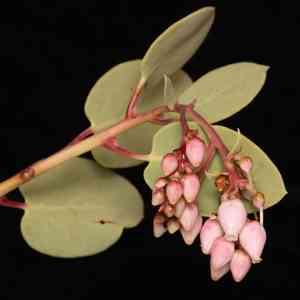
With its unique, smooth, reddish-brown bark and evergreen leaves, Bigberry Manzanita adds year-round visual interest to gardens. The plant's form and structure can serve as a focal point in garden design, providing a striking contrast to other foliage or seasonal blooms.
Effortless Beauty
Bigberry Manzanita demands minimal care compared to more demanding ornamental plants. Once established, it requires little watering and is quite resistant to pests and diseases. This low-maintenance aspect allows gardeners to enjoy its beauty without constant tending.
What Are the Environmental Advantages of Planting Bigberry Manzanita?
Erosion Prevention
Given its robust root system, Bigberry Manzanita excels at stabilizing soil and preventing erosion. Planting it on slopes or areas prone to erosion can effectively reduce soil runoff, safeguarding the landscape's integrity and promoting healthier soils.
Carbon Capture
Like many plants, Bigberry Manzanita helps absorb carbon dioxide from the atmosphere, contributing to climate change mitigation. Its evergreen nature means it continuously captures carbon, making it an environmentally conscious choice for eco-aware gardeners.
How Can Bigberry Manzanita Be Incorporated Into Landscaping?
Flexible Landscaping Options
Bigberry Manzanita offers diverse landscaping possibilities, from being a standalone specimen to being part of mixed shrub borders. Its characteristic look allows for dynamic landscape designs that can suit various aesthetic preferences.
Companion Planting
Bigberry Manzanita pairs well with other drought-tolerant plants such as lavender, sage, and other native shrubs. These combinations not only ensure a cohesive visual appeal but also create a sustainable garden ecosystem with plants that have similar watering and soil requirements.



