How to Prune Vine hill manzanita?
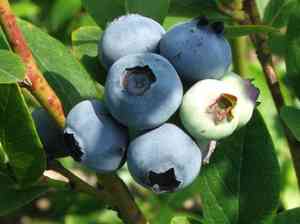
Distinguished by its thick leaves and gnarled limbs, vine hill manzanita thrives with judicious trimming to preserve its vitality and visual appeal. The most effective time for pruning is in the winter, once the danger of freezing temperatures has passed, to lessen the chance of illness and stimulate robust growth in spring. Essential methods involve removing deceased or overly dense branches and molding the plant into a desired shape. Trimming not only improves the plant's look but also fosters air circulation within its crown, thereby lowering the likelihood of pest problems.
What Are the Benefits of Pruning Vine Hill Manzanita?
What Are the Benefits of Pruning Vine Hill Manzanita?
Trimming vine hill manzanita promotes robust development and preserves its form. The timely removal of old or overgrown branches improves the plant's overall health and visual appeal, ensuring it flourishes in a garden environment.
What Is the Best Time for Pruning Vine Hill Manzanita?
What Is the Best Time for Pruning Vine Hill Manzanita?
Winter is the optimal period for pruning vine hill manzanita as it is typically dormant then. Trimming during dormancy minimizes plant stress since it's not actively growing, leading to faster recovery and reduced risk of pests and diseases. Additionally, winter pruning allows for better shaping due to sparse foliage, making the structure more visible. This timing also prepares vine hill manzanita for vigorous spring growth by removing dead or diseased wood, thereby enhancing overall health and aesthetic appeal.
What Tools Do I Need to Prune Vine Hill Manzanita?
Bypass Pruners
Perfect for making clean cuts on vine hill manzanita, helping to maintain the plant's structure without crushing its smaller, more delicate stems.
Loppers
Suitable for reaching into the denser areas of vine hill manzanita to trim thicker, unruly branches, ensuring each cut is clean to encourage healthy regrowth.
Pruning Saw
Essential for removing any dead or diseased wood that is too thick for loppers. This helps maintain the health and appearance of vine hill manzanita.
Garden Shears
Useful for shaping vine hill manzanita, allowing control over its spread and promoting denser foliage by lightly and uniformly trimming overgrown branches.
How to Prune Vine Hill Manzanita
Identify sections
Carefully examine vine hill manzanita to find withered leaves, dead, and diseased branches. These are usually easy to spot as they appear dry, discolored, and may show signs of fungal infection or insect damage.
Sanitize tools
Before making any cuts, clean and disinfect pruning shears or clippers to prevent disease transmission between plants. Use a disinfectant solution or alcohol wipes for effective cleaning.
Prune withered leaves
Using your sanitized shears, carefully snip off all withered leaves from vine hill manzanita close to the stem, making clean cuts to avoid damaging the healthy parts of the plant. This encourages better air circulation and light exposure to the remaining healthy foliage.
Remove dead diseased branches
Cut away all dead and diseased branches from vine hill manzanita, making cuts where they meet healthy wood. Angle your cuts to allow water to drain from the wound, which helps prevent disease and decay.
Clean up
After pruning, clear all removed debris from the area around vine hill manzanita to prevent any potential disease spread and to keep the site tidy. Dispose of diseased material properly, away from healthy plants.
Common Pruning Mistakes with Vine Hill Manzanita
Over-pruning
A common error is removing too much foliage from vine hill manzanita, which can stress the plant and result in sparse growth or reduced vigor. It's crucial to prune no more than one-third of the total foliage at a time.
Improper cut locations
Cutting vine hill manzanita too far above or below buds can hinder the development of new branches or cause dieback. Always make cuts just above an outward-facing bud to direct new growth outward.
Using dull tools
Using dull or dirty pruning tools can create jagged cuts that are susceptible to disease and pest infestations. Always use clean, sharp tools to make precise cuts.
Neglecting sanitization
Failing to sanitize tools between uses can spread disease among vine hill manzanita plants. Sterilize pruning equipment before using it on another plant to prevent cross-contamination.
Common Pruning Tips for Vine Hill Manzanita
Timing within the year
While specific seasonal timing is excluded, it's vital to consider the plant's condition. Avoid pruning when vine hill manzanita is stressed, such as during extreme temperatures or immediately after transplanting.
Selective pruning
Focus on removing dead, diseased, or overgrown branches to encourage healthy growth and maintain the plant's natural form. This selective pruning also improves air circulation and light penetration, crucial for vine hill manzanita health.
Thinning technique
Employ thinning cuts to remove entire branches back to their point of origin. This method keeps vine hill manzanita's growth more natural, avoiding the 'tufted' look that shearing can produce.
Maintain natural shape
Vine hill manzanita benefits from pruning that preserves its natural, slightly irregular shape. Over-manicuring or creating unnatural shapes hinders its characteristic growth and can diminish the plant's overall health.



