Vine hill manzanita (Arctostaphylos densiflora)
Also known as: Sonoma Manzanita
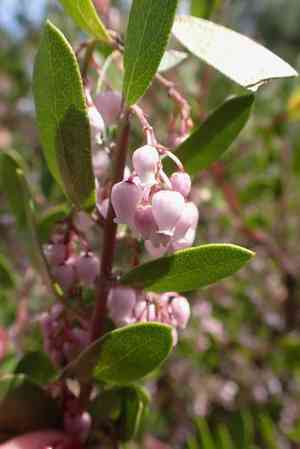
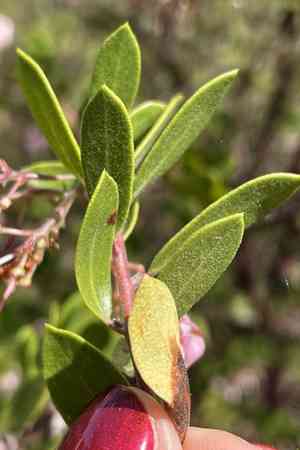
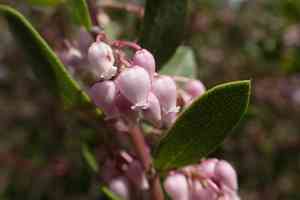
Arctostaphylos densiflora, known as Vine Hill manzanita, is a compact shrub that forms low, spreading mounds typically under one meter in height. Its leaves are glossy green, oval to broadly lance-shaped, and measure less than three centimeters in length. The plant produces clusters of light to vibrant pink, urn-shaped flowers. Its fruit is a small, berry-like drupe approximately half a centimeter in diameter.
In This Article
Attributes of Vine hill manzanita
Lifespan
Perennial
Plant Type
Shrub
Plant Height
91 cm to 1.8 m
Spread
2 m
Leaf Color
Green White Gray Silver
Flower Size
0.2-0.3 inches (0.5-0.8 cm)
Flower Color
Pink Purple
Images of Vine hill manzanita
Quickly Identify Vine hill manzanita
1
To identify Arctostaphylos densiflora, look for its distinctive red, peeling bark and its dense clusters of small, urn-shaped pink to white flowers. The leaves are typically small, oval, and have a glossy green appearance.
Scientific Classification of Vine hill manzanita
Phylum
Vascular plants
Class
Dicotyledons
Order
Ericales
Family
Heath
Genus
Arctostaphylos
Species
Vine hill manzanita
Planting and Growing of Vine hill manzanita
Care Difficulty
Easy
Watering Schedule
Every 2 days
Sunlight Requirements
Full sun
Sunshine Duration
4-8 hours
Ideal Temperature
60-75℉
Soil Type
Potting Mix, Peat Mix
Soil pH
6.5-7.5
Fertilizer Type
Balanced
Pruning Season
Spring, Summer
Pruning Area
Branches, Leaves
Pruning Frequency
2 times a year
Repotting Season
Spring
Pot Type
Plastic, Ceramic
 How to Water Vine hill manzanita?
For Arctostaphylos densiflora, water deeply to ensure the roots receive adequate moisture without being waterlogged. The soil should be thoroughly soaked, then allowed to dry out completely before the next watering. This mimics its natural environment where it often goes through periods of drought.
What are the symptoms of an underwatered Vine hill manzanita?
›
What should I do if my Vine hill manzanita is not getting enough water?
›
What are the symptoms of an overwatered Vine hill manzanita?
›
How to save an overwatered Vine hill manzanita?
›
 What Are the Sunlight Requirements for Vine hill manzanita?
This plant thrives best in conditions providing full to partial sunlight. Adequate light ensures robust growth and the development of healthy foliage, enhancing its resistance to pests and diseases.
What is the ideal lighting condition for Arctostaphylos densiflora?
›
How can you achieve optimal lighting conditions?
›
What are the benefits of the plant receiving ideal lighting?
›
 What Is the Ideal Temperature Range for Vine hill manzanita?
The ideal temperature range for Arctostaphylos densiflora is between 60°F and 75°F. Within this range, the plant can efficiently perform photosynthesis and maintain its physiological processes at optimal levels. This temperature range also supports healthy growth and flowering, ensuring the plant's aesthetic appeal and vitality.
 What Soil is Best for Vine hill manzanita?
The soil must provide excellent drainage to prevent water accumulation, which could lead to root rot. This ensures the roots receive enough oxygen, promoting healthy growth. Arctostaphylos densiflora thrives best in moderately fertile soils that allow it to access sufficient nutrients, enhancing its vibrant foliage and abundant flowering. While the plant requires well-draining soil, it also benefits from a medium that can hold moisture during dry spells, helping maintain its hydration levels without waterlogging.
 How to Fertilize Vine hill manzanita?
For Arctostaphylos densiflora, less is often more. This plant prefers a lean diet, so fertilizers should be used sparingly. When applying a liquid fertilizer, use a half-strength dilution recommended for general use. A little goes a long way in keeping this plant healthy.
 How to Prune Vine hill manzanita?
Begin by examining the plant for any dead, damaged, or diseased stems. Using your clean tools, carefully cut these stems back to a healthy node or where they join a larger branch. This will prevent further disease spread and promote new growth. After removing the damaged sections, step back and evaluate the plant's shape. Trim selectively to enhance its natural form, focusing on maintaining an open center for increased light and air penetration, which supports healthy growth. For the best results and minimal impact on flowering, perform major pruning sessions after the flowering period. This timing helps in setting buds for the next cycle without sacrificing blooms.
More About Pruning Techniques→
 How to Propagate Vine hill manzanita plant?
1
Choose healthy, disease-free branches that are relatively young and vigorous. Ideal cuttings should be about 4-6 inches long with at least two to three nodes.
2
Remove the lower leaves and any flowers from the cutting. Dip the cut end in rooting hormone to promote root development. Ensure the cutting is properly labeled if you are working with multiple varieties.
3
Insert the cutting into a pre-moistened rooting medium, such as a mix of perlite and peat. Ensure it is secure and upright with at least one node below the medium surface.
 How to Repot Vine hill manzanita plant?
1
Arctostaphylos densiflora needs repotting when you notice the roots are encircling the pot, emerging from the drainage holes, or showing signs of stress. Ideally, repot every 2 to 3 years during its active growth periods in spring or summer.
2
Choose a pot slightly larger than the current one, with good drainage. Clay pots are preferable as they allow moisture to evaporate, preventing root rot and imitating the plant's natural environment.
3
Select a well-draining, acidic soil mix, ideally containing sand, perlite, and organic matter. This blend mimics the natural habitat of Arctostaphylos densiflora, ensuring proper root aeration and preventing waterlogging.



