How to Propagate Vine hill manzanita?
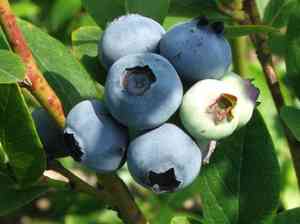
The most effective method for propagating vine hill manzanita is via cuttings. Select a robust stem tip that includes multiple leaves. Detach the leaves from the lower section and immerse the severed end in rooting compound to enhance successful rooting. Insert the stem into a potting blend that drains efficiently, keeping it damp yet not waterlogged. Verify that the pot offers sufficient drainage to avert root decay.
Optimal Period for Vine Hill Manzanita Propagation
Propagation Method
Cutting
Propagation Period
Spring,Summer
Equipment for Vine Hill Manzanita Propagation
Sharp pruning shears
Crucial for making clean cuts on stems for propagation. Sharp blades ensure precise, smooth cuts, minimizing damage to vine hill manzanita and reducing infection risk.
Rooting hormone powder or gel
Encourages root development from vine hill manzanita cuttings. Applying rooting hormone increases the likelihood of successful root initiation, vital for cuttings to establish and grow.
Sterile potting mix
Offers a clean, controlled environment for vine hill manzanita cutting root formation. Sterility prevents pathogen introduction that could harm sensitive new roots, aiding healthy development of vine hill manzanita.
Humidity dome or plastic bag
Maintains high humidity around vine hill manzanita cuttings, crucial for preventing drying out before roots establish. Proper humidity supports optimal growth during initial propagation stages.
Heat mat
Provides bottom warmth, significantly improving rooting success for vine hill manzanita cuttings. Gentle heat promotes faster root growth without overheating tender new plants.
Propagating Vine Hill Manzanita Guide
Propagation Difficulty
Moderately Difficult
Post-Propagation Care for Vine Hill Manzanita
Post-Propagation Care for Vine Hill Manzanita
Once vine hill manzanita cuttings have rooted, gradually introduce them to lower humidity over several weeks. Transplant into larger pots or a suitable outdoor spot, ensuring well-draining soil and partial to full sun. Water vine hill manzanita regularly, keeping soil slightly moist but avoiding waterlogging. Pruning is minimal, mainly for shaping or size management.
Common Errors to Avoid When Propagating Vine Hill Manzanita
Overwatering
Excessive watering can cause root rot in vine hill manzanita, which prefers well-drained, dry conditions. Too much soil moisture can hinder root oxygenation, leading to weakened and decaying root systems.
Deep planting
Planting vine hill manzanita cuttings or seedlings too deeply can impede robust root system establishment. This may lead to stem rot, preventing successful propagation.
Neglecting soil composition
Using soil with poor drainage or excessive fertility can harm vine hill manzanita. This species thrives in poorer, well-drained soils; overly rich or compacted substrates can hinder growth and survival.
Excessive fertilization
Applying too much fertilizer can damage vine hill manzanita, potentially causing nutrient burn or lush but weak growth more susceptible to pests and diseases.
Tips for Propagating Vine Hill Manzanita
Utilizing sandy substrates
Employ a well-draining, sandy substrate to mimic vine hill manzanita's natural growing conditions. This helps prevent water retention around roots, promoting healthier growth.
Rooting hormone application
Applying rooting hormone to vine hill manzanita cuttings can significantly boost rooting success. This stimulates root growth from cuttings, increasing propagation chances.
Providing adequate light
Ensure vine hill manzanita receives ample light, but avoid harsh direct midday sun. Sufficient light is crucial for photosynthesis and overall health, especially in early growth stages.
Gentle watering practices
Water vine hill manzanita sparingly, ensuring soil is moist but not saturated. Maintain a balance where the soil dries slightly between watering sessions for ideal growing conditions.



