How to Prune Lyreleaf rockcress?
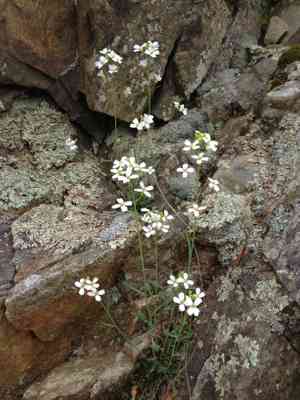
This enduring herbaceous plant is recognized for its foundational leaf clusters and blossoms ranging from white to lavender. Trim lyreleaf rockcress in the springtime to eliminate withered leaves and stimulate fresh development. Throughout the summer, selectively remove faded flowers to encourage additional blooming. As autumn approaches, shorten elongated stalks to preserve its form and hinder seed dispersal. Consistent trimming benefits lyreleaf rockcress by fostering abundant foliage and extended flowering, while simultaneously deterring self-propagation and excessively thick growth.
What Are the Benefits of Pruning Lyreleaf Rockcress?
What Are the Benefits of Pruning Lyreleaf Rockcress?
Trimming lyreleaf rockcress promotes robust development and helps preserve its form. Strategic cuts enhance light exposure and air circulation, leading to strong health and visual appeal. Consistent pruning ensures lyreleaf rockcress stays compact and manageable, improving its inherent shape.
What Is the Best Time for Pruning Lyreleaf Rockcress?
What Is the Best Time for Pruning Lyreleaf Rockcress?
Pruning lyreleaf rockcress in Spring allows for the removal of dead or damaged foliage after winter dormancy, encouraging healthy new growth. Early Summer trimming can improve air circulation and light penetration in the plant's center, which is crucial for its development and disease prevention. Late Fall pruning, after the plant has bloomed and set seed, prepares lyreleaf rockcress for winter by removing spent flower stalks and any diseased or excess growth, reducing the risk of winter damage.
What Tools Do I Need to Prune Lyreleaf Rockcress?
Precision Pruners
For lyreleaf rockcress, precision pruners are ideal as they enable accurate cuts without causing unnecessary harm to the plant's small stems. This level of accuracy is vital for maintaining the delicate structure of lyreleaf rockcress.
Gardening Scissors
Gardening scissors are suitable for lyreleaf rockcress due to its fine, non-woody stems. They provide a clean and easy cut that is essential for the overall health and aesthetic trimming of lyreleaf rockcress.
Pruning Snips
Pruning snips are the perfect tool for deadheading lyreleaf rockcress and managing its compact growth habit. They offer control and are easy to handle when working with small plants like lyreleaf rockcress.
Leaf Trimmers
Leaf trimmers can assist in shaping lyreleaf rockcress by removing unwanted leaves and encouraging a bushier growth. They are especially useful for thinning out the density of lyreleaf rockcress without affecting the plantâs form.
How to Prune Lyreleaf Rockcress
Cleaning tools
Before pruning lyreleaf rockcress, clean and sanitize pruning tools to prevent the spread of disease. Use a mixture of 1 part bleach to 9 parts water to disinfect the blades.
Remove diseased leaves
Carefully inspect lyreleaf rockcress for diseased leaves. Using sterilized pruning shears, trim off the affected leaves at their base, being careful not to damage the main stem or nearby healthy leaves.
Remove withered leaves
Identify withered leaves on lyreleaf rockcress, which are typically older and may be yellow or brown. Gently prune these leaves at the base with sterile shears, which helps to direct the plant's energy to new growth.
Prune dead branches
Locate dead branches on lyreleaf rockcress by checking for a lack of flexibility and green growth. Cut dead branches at the point where they meet healthy tissue, making a clean cut at a 45-degree angle to allow water to run off and prevent rot.
Cut diseased branches
Assess lyreleaf rockcress for any branches showing signs of disease, such as unusual discoloration or growths. Prune these infected branches back to healthy tissue or remove completely if necessary, cutting carefully to avoid spreading pathogens.
Common Pruning Mistakes with Lyreleaf Rockcress
Overpruning
Removing too much foliage from lyreleaf rockcress can stress the plant and slow down its growth. It's critical to avoid cutting away more than a third of the plant's overall mass during a single pruning session.
Wrong Technique
Using dull or dirty pruning tools can wound lyreleaf rockcress and make it vulnerable to diseases. Make sure to use clean, sharp instruments and perform clean cuts that the plant can heal from swiftly.
Neglecting Deadheads
Failing to remove spent flowers can limit lyreleaf rockcress's resources for new growth and flowering. Regular deadheading is essential for promoting vigorous blooms throughout the season.
Improper Shaping
Attempting to force lyreleaf rockcress into an unnatural shape can lead to poor growth patterns and detract from its natural beauty. Allow the plant to maintain its natural form as much as possible.
Ignoring Plant Health
Pruning lyreleaf rockcress when it is weak or stressed can exacerbate health problems. Always assess the overall health of the plant before pruning, and avoid pruning if the plant is not thriving.
Common Pruning Tips for Lyreleaf Rockcress
Selective Pruning
Focus on cutting back the oldest stems of lyreleaf rockcress to rejuvenate the plant. Removing selected stems encourages new growth and maintains a desirable form.
Clean Tools
Ensure the tools you use are sterilized before pruning lyreleaf rockcress to prevent the spread of disease. Clean cuts heal faster and minimize stress on the plant.
Deadheading
Regularly remove dead flowers from lyreleaf rockcress to encourage more blooms. This directs the plant's energy into producing new flowers rather than developing seed pods.
Staggered Pruning
Instead of pruning all stems at once, stagger your pruning to maintain lyreleaf rockcress's shape and allow it to recover more quickly. This practice helps lyreleaf rockcress sustain continuous growth and bloom.
Shape and Support
While maintaining the natural shape of lyreleaf rockcress, you can still tidy up any straggly or overgrown areas. Provide adequate support if lyreleaf rockcress is grown in a windy area to prevent breakage or unwanted bending.



