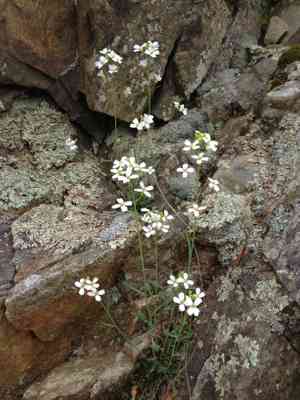
Lyreleaf rockcress (Arabidopsis lyrata)
Also known as: Northern rock-cress
Arabidopsis lyrata, found predominantly in alpine and subalpine areas across Europe, Asia, and North America, holds significant value in biological research. Its close genetic relationship to Arabidopsis thaliana, a primary model plant, makes it an excellent subject for studying evolutionary biology and genetics. Additionally, plants within the Arabidopsis genus, including A. lyrata, benefit researchers with their relatively short reproductive cycles, facilitating quicker experimental results.
In This Article
Attributes of Lyreleaf rockcress
Lifespan
Biennial, Perennial
Plant Type
Herb
Plant Height
10 cm to 25 cm
Spread
Not typically measured in crown diameter terms, but rosette diameter can be around 5-15 cm
Leaf Color
Green
Flower Size
2.5 mm to 1.02 cm
Flower Color
White
Images of Lyreleaf rockcress
Quickly Identify Lyreleaf rockcress
1
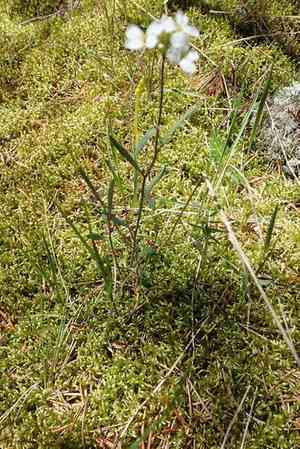
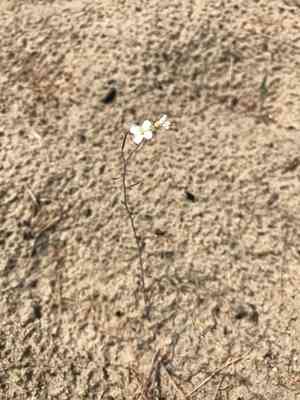
Arabidopsis lyrata can be identified by its rosette of basal leaves, small white or pale purple flowers with four petals, and slender, hairy stems. The plant typically grows in rocky, well-drained soils.
Scientific Classification of Lyreleaf rockcress
Phylum
Vascular plants
Class
Dicotyledons
Order
Brassicales
Family
Cruciferae
Genus
Rockcresses
Species
Lyreleaf rockcress
Planting and Growing of Lyreleaf rockcress
Care Difficulty
Easy
Watering Schedule
Every 4 days
Sunlight Requirements
Partial sun
Sunshine Duration
4-6 hours
Ideal Temperature
65-75℉
Soil Type
Potting Mix, Peat Mix
Soil pH
5.5-8
Fertilizer Type
Balanced
Pruning Season
Spring, Summer
Pruning Area
Branches, Leaves
Pruning Frequency
Once a year
Repotting Season
Spring
Pot Type
Plastic, Ceramic
 How to Water Lyreleaf rockcress?
Arabidopsis lyrata requires moderate watering. You should water this plant until the soil feels damp but not soaked. The top inch of the soil should be slightly dry to the touch before you water it again. Watering with 100ml each time typically satisfies its moisture needs without causing waterlogging.
What are the symptoms of an underwatered Lyreleaf rockcress?
›
What should I do if my Lyreleaf rockcress is not getting enough water?
›
What are the symptoms of an overwatered Lyreleaf rockcress?
›
How to save an overwatered Lyreleaf rockcress?
›
 What Are the Sunlight Requirements for Lyreleaf rockcress?
Partial sun exposure allows Arabidopsis lyrata to perform photosynthesis efficiently without the stress of full sun. This balance results in optimal growth and development, yielding a healthier plant.
What is its ideal light environment?
›
How can it achieve ideal light conditions?
›
What benefits does the ideal lighting offer?
›
 What Is the Ideal Temperature Range for Lyreleaf rockcress?
The ideal temperature range for Arabidopsis lyrata is between 65°F and 75°F. This range provides optimal conditions for photosynthesis, respiration, and metabolic activities, fostering healthy growth and development of the plant.
 What Soil is Best for Lyreleaf rockcress?
Arabidopsis lyrata thrives in well-drained soil, which helps prevent root rot by allowing excess water to escape. This is crucial to maintain healthy roots and ensure optimal nutrient uptake. The plant prefers soil with moderate fertility. A balanced level of nutrients supports steady growth and flowering while avoiding excessive foliage that would occur with too much fertility. This plant requires consistent moisture without waterlogging. Adequate soil moisture ensures that Arabidopsis lyrata remains hydrated, promoting healthy growth and sustenance.
 How to Fertilize Lyreleaf rockcress?
For Arabidopsis lyrata, moderate fertilization balances the growth needs without overwhelming the plant. Use a balanced N-P-K ratio, such as 10-10-10, at the rate of half a teaspoon per gallon of water. During peak growth periods, increase this slightly. Always opt for less concentrated solutions to avoid nutrient burn.
 How to Prune Lyreleaf rockcress?
Always use clean, sharp scissors or pruning shears to make clean cuts. This minimizes damage and reduces the risk of disease spread through ragged cuts. When removing leaves or stems, ensure you cut right at the base or just above a node. This encourages new, lateral growth and helps maintain a compact form. While pruning, avoid overdoing it. Removing more than one-third of the plant's foliage in one go can stress the plant, hindering its growth and recovery.
More About Pruning Techniques→
 How to Propagate Lyreleaf rockcress plant?
1
Fill the seed tray with a well-draining seed starting mix. Ensure it's moistened sufficiently before sowing the seeds to provide an ideal environment for germination.
2
Sprinkle the Arabidopsis lyrata seeds evenly over the moist soil surface. Lightly press them into the soil but avoid covering them completely, as they require light to germinate.
3
Place the tray under indirect sunlight or fluorescent lights in a warm location, maintaining a temperature between 20°C to 22°C for germination.
 How to Repot Lyreleaf rockcress plant?
1
Repot Arabidopsis lyrata when you notice stunted growth, roots growing out of the drainage holes, or when it dries out extremely quickly after watering. These are signs that the roots need more space. Ideally, perform this during spring or autumn when the plant is not undergoing significant stress from extreme temperatures.
2
Select a pot that's one size larger than the current one to give Arabidopsis lyrata space to grow, but not too big to avoid water retention issues. Make sure the pot has sufficient drainage holes, as good drainage prevents root rot—a common problem in over-potted plants.
3
Use a well-draining standard soil, enriched with organic matter. This soil mix ensures proper aeration and drainage, preventing waterlogged conditions while providing nutrients. The organic content helps retain necessary moisture without drowning the roots.
Learn More About Lyreleaf rockcress Diseases
Anthracnose
Bacterial Leaf Spot
Bacterial Soft Rot
Clubroot
Cyst Nematode
Damping-off
Downy Mildew
Drought Stress
Fusarium Wilt
Gray Mold
Leaf Spot
Mosaic
Nutrient Deficiency
Nutrient Toxicity
Powdery Mildew
Root Rot
Root-knot Nematode
Rusts
Sooty Mold
Spider Mites
Temperature Stress
Thrips Damage
White Mold



