How to Prune Small-flower columbine?
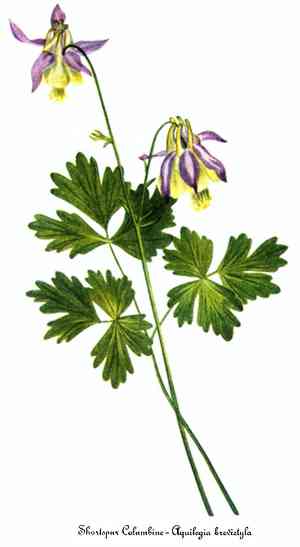
Aquilegia brevistyla is known for its graceful, drooping blossoms and appealing leaves. The best approach to pruning entails trimming away deceased and compromised stalks in late winter or early spring. This schedule fosters fresh development and stimulates more abundant flowering. Discard faded blooms to deter excessive self-propagation and extend the flowering duration. Ensure a natural form is preserved to facilitate adequate air movement, which can aid in lowering the occurrence of diseases. Pruning improves both the visual appeal and well-being of the plant.
What Are the Benefits of Pruning Small-flower Columbine?
What Are the Benefits of Pruning Small-flower Columbine?
Trimming small-flower columbine encourages robust development, maintains its form, boosts flowering, and enhances overall plant vitality by lowering the risk of pests and diseases. Regular trimming helps manage plant size and promotes a stronger, more attractive look.
What Is the Best Time for Pruning Small-flower Columbine?
What Is the Best Time for Pruning Small-flower Columbine?
Small-flower columbine should be trimmed in early spring or late winter to ensure the plant is inactive, which minimizes stress and aids in faster recovery. Pruning at this time also helps shape the plant before its active growth period begins and promotes healthier blooms. Additionally, removing dead or damaged branches before the growing season reduces disease risk and supports vigorous growth.
What Tools Do I Need to Prune Small-flower Columbine?
Hand pruners
Hand pruners are perfect for cutting stems and removing spent flowers due to their precision and ease of use. They are ideal for making clean cuts on the delicate stems of small-flower columbine.
Snips
Snips are especially useful for deadheading and trimming smaller, delicate stems without harming the plant. They offer the extra precision needed for small-flower columbine's fine stems.
Bypass pruners
Useful for removing thicker stems and dead, damaged, or diseased parts of small-flower columbine. Bypass pruners are designed to make clean cuts without crushing plant tissues.
How to Prune Small-flower Columbine
Identify
Examine small-flower columbine for any leaves showing signs of illness or wilting, carefully checking for discoloration or spots.
Tool preparation
Sanitize your pruning shears to prevent the spread of disease. Use a solution of one part bleach to nine parts water, or rubbing alcohol.
Diseased leaves
Carefully trim the diseased leaves. Cut at the base of the leaf stem, ensuring the entire affected part is removed to prevent recurrence.
Withered leaves
Remove withered leaves by snipping them at their base where they attach to the main stem. Ensure you make clean cuts to avoid damaging healthy tissue.
Disposal
Properly dispose of all pruned material by placing it in a sealed bag and discarding it in the trash. Do not compost diseased or withered leaves to avoid spreading pathogens.
Common Pruning Mistakes with Small-flower Columbine
Over-Pruning
One of the most frequent errors is cutting back too much of the plant at once. This can shock small-flower columbine and impede its growth.
Incorrect Technique
Using dull or unsuitable tools can cause jagged cuts that make the plant vulnerable to diseases. Always use sharp, clean pruning shears.
Ignoring Deadheading
Failing to remove spent flowers can lead to a decline in blooms. Deadheading encourages more vibrant flowering.
Cutting Too Close to the Ground
Some gardeners cut small-flower columbine too close to the soil surface, which can damage the plant base and roots.
Pruning at the Wrong Time
Although specific seasons are excluded from this section, timing within growth cycles is crucial. Pruning too early or late can disrupt blooming and regrowth.
Common Pruning Tips for Small-flower Columbine
Prune Sparingly
Trim back no more than one-third of small-flower columbine at a time to avoid plant stress.
Use Sharp Tools
Ensure your pruning shears are sharp and sterilized to make clean cuts and prevent infection.
Regular Deadheading
Remove spent blooms regularly to promote new flower growth and maintain a tidy appearance.
Focus on Damaged Parts
Prioritize cutting back any damaged, diseased, or dead stems to keep small-flower columbine healthy.
Shape Gradually
When shaping small-flower columbine, do so gradually over time rather than making drastic trims. This allows for a more natural growth pattern and less shock to the plant.



