How to Propagate Small-flower columbine?
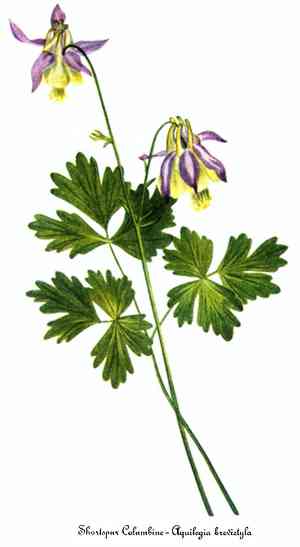
Aquilegia brevistyla, a perennial flowering species, is recognized for its dainty, blue-purple blossoms. It flourishes in adequately drained ground with dappled sunlight. Reproduction is best achieved by planting seeds. Disperse seeds on the soil's surface without burial, as illumination is crucial for their sprouting. Ensure continuous dampness until the young plants are firmly rooted. Consistent hydration and periodic nutrient application encourage robust development and abundant blooms.
When Is the Best Time to Propagate Small-flower Columbine?
Propagation Method
Sowing
Propagation Period
Spring
What Equipment Is Used in Small-flower Columbine Propagation?
Seed Trays
Seed trays are vital for initiating small-flower columbine from seeds. They offer a regulated setting where seeds can sprout effectively. Choose those with good drainage to prevent water accumulation, which is crucial for healthy seedling development.
Seed Compost
Employing premium seed compost guarantees that small-flower columbine obtains the essential nutrients for robust initial development. Select a compost blend that drains well and has a fine texture to support root growth and prevent damping-off disease.
Fine Mist Sprayer
A fine mist sprayer is important for maintaining the moisture level of the seed compost without excessive watering. This tool helps to evenly distribute water, keeping the top layer of soil moist, which is vital for seed germination.
Heating Mat
A heating mat helps to maintain an optimal soil temperature, promoting faster and more consistent germination of small-flower columbine seeds. This tool provides gentle bottom heat, crucial for uniform seedling growth, especially in cooler climates or early spring.
Clear Plastic Cover or Humidity Dome
A clear plastic cover or humidity dome creates a greenhouse effect, maintaining higher humidity levels which are beneficial for seed germination. It helps to prevent moisture loss and provides a stable microenvironment for small-flower columbine's seedlings.
Seed Dibber
A seed dibber is useful for precisely planting small-flower columbine seeds at the correct depth. This tool allows for the easy creation of small holes, ensuring that seeds are sown at a uniform depth for optimal conditions.
Label Markers
Label markers are necessary for identifying the sowing date and seed variety to keep track of multiple sowing batches. This tool ensures that proper care and monitoring are maintained throughout the propagation process.
Sterilized Containers
Sterilized containers help prevent the introduction of pathogens that could harm young small-flower columbine seedlings. Using clean, sterilized containers ensures a healthy start, reducing the risk of diseases that can compromise seedling viability.
LED Grow Lights
LED grow lights provide supplementary light, especially if natural light is insufficient. These lights promote healthy growth by providing the right spectrum of light, which is crucial for small-flower columbine seedlings to develop strong, healthy foliage.
How to Propagate Small-flower Columbine?
Propagation Type
Simple
How to Care for Your Newly Propagated Small-flower Columbine?
How to Care for Your Newly Propagated Small-flower Columbine?
After transplanting, ensure that small-flower columbine receives regular watering, especially during dry periods, but avoid waterlogging. Cover the soil with a light mulch to retain moisture and suppress weeds. Fertilize lightly with a balanced, slow-release fertilizer in spring. Monitor for pests such as aphids and slugs, and prune back dead foliage to promote healthy growth. Small-flower columbine will thrive in well-draining soil and benefit from partial to full shade, mimicking its natural woodland habitat.
Common Mistakes to Avoid When Propagating Small-flower Columbine
Incorrect Soil Type
Using heavy or poorly drained soil can lead to root rot and poor growth in small-flower columbine.
Overwatering
Excessive watering can cause fungal diseases and root rot, compromising the health of small-flower columbine.
Overcrowding
Planting too many seeds or seedlings close together results in competition for resources, leading to weak and spindly plants.
Insufficient Sunlight
Planting small-flower columbine in areas with insufficient light can stunt growth and reduce flowering.
Neglecting Hardening Off
Failing to acclimate seedlings to outdoor conditions can lead to transplant shock and potential plant loss.
Tips For Propagating Small-flower Columbine
Use Well-Draining Soil
Select a light, well-draining soil mix to prevent waterlogging and root diseases.
Moderate Watering
Keep the soil consistently moist but not waterlogged. Allow the top layer of soil to dry slightly between waterings.
Proper Spacing
Ensure adequate spacing between seeds or seedlings to allow for good air circulation and healthy growth.
Ample Light
Place small-flower columbine in a location where it can receive filtered sunlight or partial shade to promote strong growth and plentiful blooms.
Gradual Acclimation
Gradually expose seedlings to outdoor conditions over a week or two. Start with a few hours of sunlight each day and increase exposure to prevent transplant shock.



