How to Prune Albaida?
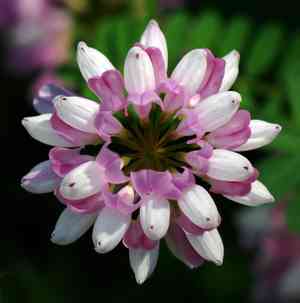
For albaida, a Mediterranean perennial characterized by its unique silver leaves, trimming should concentrate on eliminating deceased or compromised branches to preserve its well-being and structure. The most effective time for pruning is in late winter to early spring, prior to the emergence of new shoots. Pruning during this period stimulates abundant blooms and prevents an elongated appearance. Consistent trimming also aids this drought-tolerant shrub, fostering more compact growth and improving its suitability as a ground cover or for rock garden installations.
Advantages of Trimming Albaida
Advantages of Trimming Albaida
Trimming albaida promotes vigorous development and preserves its attractive shape. This process ensures the plant stays lively and structurally sound while optimizing its health and visual appeal.
Optimal Period for Trimming Albaida
Optimal Period for Trimming Albaida
For albaida, trimming in late winter and/or early spring is ideal. These periods precede the plant's main growth phase, when energy reserves are high, and the chance of disease infection is reduced. Trimming in late winter allows gardeners to remove any damaged or diseased parts of albaida before new growth starts, thereby directing the plant's energy towards producing healthy new shoots in spring. Early spring trimming, after the last frost but before significant new growth, ensures that albaida can quickly recover from cuts and allocate resources to new, strong growth rather than maintaining old or unnecessary branches. This timing aligns with preparing albaida for the upcoming growing season and maximizes its flowering potential, as albaida typically blooms on new wood produced in the current season.
Required Tools for Trimming Albaida
Hand Pruners
Perfect for cutting small branches and shaping albaida, as they offer precision and minimal harm to the plant's smaller stems.
Loppers
Best for slightly larger branches that hand pruners cannot manage. Given albaida's growth habit, loppers can reach into denser foliage without causing undue damage to surrounding stems.
Garden Scissors
Useful for deadheading and trimming soft foliage of albaida. Their short blades provide control and prevent accidental cuts to healthy sections.
Pruning Saw
Essential for cutting mature, woody branches of albaida. Its serrated blade cuts through thicker stems more efficiently without tearing them.
Hedge Shears
Suitable for shaping albaida if it is being used as a low hedge. The long blades allow for straight, even cuts across the shrub.
How to Trim Albaida
Identify affected parts
Thoroughly inspect albaida to pinpoint diseased leaves, withered leaves, dead branches, and diseased branches that need trimming.
Sterilize tools
Sanitize all trimming tools before beginning to prevent the spread of disease to healthy parts of albaida.
Cut diseased leaves
Use precise hand pruners to remove diseased and withered leaves from albaida, cutting at the base of the leaf stem for clean removal.
Prune dead branches
Cut back dead and diseased branches on albaida to the nearest healthy wood, making cuts at a 45-degree angle to aid healing and prevent water accumulation.
Cleanup
Gather and dispose of all trimmed material away from albaida to eliminate potential sources of reinfection or decay.
Common Trimming Errors with Albaida
Over-trimming
Removing too much foliage from albaida can impede its ability to photosynthesize and grow. Excessive trimming can also stress albaida, making it susceptible to pests and diseases.
Incorrect cutting methods
Using uncleaned or dull trimming tools can harm the branches of albaida, leading to jagged cuts that are more prone to infection and do not heal cleanly.
Neglecting tool upkeep
Failing to clean and disinfect tools between uses can spread disease from one plant to another. This is especially crucial if trimming diseased parts of albaida.
Trimming too close to the trunk
Cutting branches too near the main stem or 'collar' can injure albaida, as it obstructs the natural healing process of the trimming wounds.
Ignoring plant shape
Not considering the natural form of albaida during trimming can result in an unnatural appearance and hinder the plant's growth pattern.
General Trimming Advice for Albaida
Sharp and clean tools
Always use sharp trimming shears or scissors to make clean cuts on albaida. After each use, clean the tools to prevent spreading diseases between plants.
Angled cuts
Make angled cuts on albaida's branches to prevent water from pooling on the cut surface, which minimizes the risk of rot or disease setting in.
Trim for air circulation
Thin out crowded branches in albaida to promote better air circulation and light penetration within the canopy, which helps reduce the likelihood of diseases.
Gradual trimming
Trim albaida gradually over several seasons if extensive trimming is needed, to avoid shocking the plant and to allow it to recover adequately between sessions.
Visual inspection
Regularly inspect albaida for signs of dead, damaged, or diseased wood, and trim these areas promptly to maintain plant health and aesthetics.



