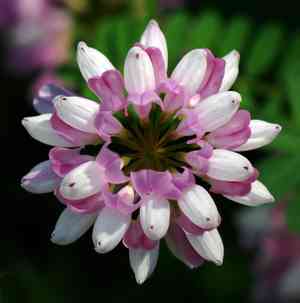
Albaida (Anthyllis cytisoides)
Also known as: Albaida broom
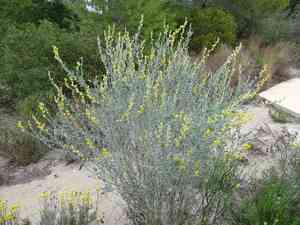
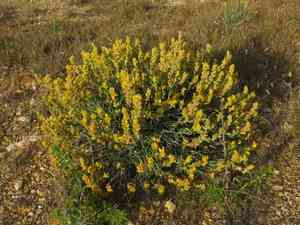
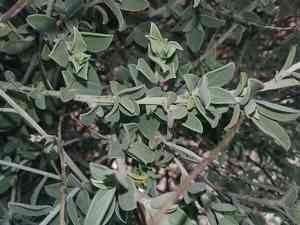
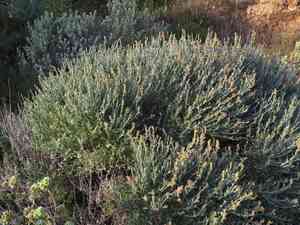
The plant in question is a sub-shrub reaching up to 90 cm in height, featuring many grayish branches. Its pale yellow flowers are clustered along these branches. The calyx is hairy, and the leaves are trifoliate. The plant produces oval, pointed legumes, each containing a single seed.
In This Article
Attributes of Albaida
Lifespan
Perennial
Plant Type
Shrub
Plant Height
40 cm to 1 m
Spread
90 cm
Leaf Color
Green with silvery hairs underneath
Flower Size
1 cm to 1.3 cm
Flower Color
Yellow
Images of Albaida
Quickly Identify Albaida
1
Anthyllis cytisoides can be identified by its shrubby growth form, trifoliate leaves with hairy undersides, and distinctive yellow flowers arranged in dense clusters. The plant also has a characteristic woody base.
Scientific Classification of Albaida
Phylum
Vascular plants
Class
Dicotyledons
Order
Fabales
Family
Legume
Genus
Anthyllis
Species
Albaida
Planting and Growing of Albaida
Care Difficulty
Easy
Watering Schedule
Every 2 days
Sunlight Requirements
Full sun
Sunshine Duration
8-12 hours
Ideal Temperature
60-75℉
Soil Type
Potting Mix, Peat Mix
Soil pH
6.5-7.5
Fertilizer Type
Balanced
Pruning Season
Spring, Summer
Pruning Area
Branches, Leaves
Pruning Frequency
2 times a year
Repotting Season
Spring
Pot Type
Plastic, Ceramic
 How to Water Albaida?
Anthyllis cytisoides typically requires around 500 milliliters of water per session. The key is to ensure that the soil is moist but never waterlogged. The plant is adapted to dry and arid conditions, so a moderate watering is all it needs to mimic its natural habitat.
What are the symptoms of an underwatered Albaida?
›
What should I do if my Albaida is not getting enough water?
›
What are the symptoms of an overwatered Albaida?
›
How to save an overwatered Albaida?
›
 What Are the Sunlight Requirements for Albaida?
Anthyllis cytisoides prefers full sun exposure for robust growth and flowering. Ideal lighting ensures vigorous photosynthesis and vibrant foliage, optimizing overall plant health.
More About Sunlight Requirements Techniques→
What is the ideal amount of sunlight?
›
How to achieve ideal lighting for Anthyllis cytisoides?
›
What are the benefits of ideal lighting?
›
 What Is the Ideal Temperature Range for Albaida?
The ideal temperature range for Anthyllis cytisoides is between 60°F and 75°F. This range supports optimal growth and development by maintaining a stable and warm environment, conducive to healthy photosynthesis and nutrient uptake. Any temperature within this range ensures that the plant can thrive without being stressed by extreme heat or cold.
 What Soil is Best for Albaida?
Anthyllis cytisoides thrives in soil that is rich in essential nutrients. Ensuring the presence of nitrogen, phosphorus, and potassium will help in robust growth and blooming. Nutrient-rich soil promotes healthy root development and boosts the plant's resistance to pests and diseases. This plant requires well-draining soil to prevent waterlogging, which can lead to root rot. Soil with a good drainage system ensures that excess water is drained quickly, keeping the roots healthy and oxygenated. Anthyllis cytisoides benefits from soil rich in calcium, as it enhances its growth and fortifies the plant's cellular structures. Calcareous soil naturally meets this requirement, supporting the plant's sturdy and upright growth.
 How to Fertilize Albaida?
Anthyllis cytisoides thrives with moderate fertilization. It is important to apply a balanced fertilizer, such as a 10-10-10 NPK formulation. For liquid fertilizers, a concentration of 1 tablespoon per gallon of water is ideal, applied evenly around the base of the plant. For slow-release fertilizers, use approximately 1/4 cup per square meter of soil surface.
 How to Prune Albaida?
While regular pruning is beneficial, excessive cutting can stress the plant. Be cautious not to remove more than one-third of the plant's volume during a single session to avoid shock and potential damage. When pruning, always look for signs of disease or pests. Removing these damaged parts promptly helps prevent them from spreading to healthier sections of the plant. Avoid pruning during extreme weather conditions, such as intense heat or cold, as these can produce stress on Anthyllis cytisoides. Choose mild days to perform your pruning tasks for optimal results.
More About Pruning Techniques→
 How to Propagate Albaida plant?
1
Collect seeds from mature pods and soak them in water for 12-24 hours prior to sowing. This will help break seed dormancy and enhance germination rates.
2
Select healthy, non-flowering stems about 10-15 cm long. Make a diagonal cut below a node, remove lower leaves, and dip the cut end in rooting hormone.
3
Sow the soaked seeds in a seed tray filled with the potting mix. Cover lightly with soil and water gently. Keep the tray in indirect sunlight and maintain a consistent moisture level.
 How to Repot Albaida plant?
1
You should consider repotting Anthyllis cytisoides when you notice its roots are starting to outgrow the current pot. Other signs include water draining too quickly, indicating tight roots, or the plant looking stunted despite proper care. Typically, early spring or autumn, when the plant is not in a vigorous growth state, proves ideal for repotting.
2
Choose a pot that is slightly larger than the current one, with good drainage holes. Ceramic or terracotta pots are preferred as they allow air exchange and help prevent waterlogging. This choice ensures the roots have enough space to expand while maintaining a healthy moisture level in the soil.
3
Opt for a well-draining sandy soil mix, ideally one formulated for succulents or Mediterranean plants. This soil type prevents root rot by ensuring that excess water drains away quickly, allowing the roots to breathe and promoting a balanced environment for growth.
Learn More About Albaida Diseases
Anthracnose
Bacterial Leaf Spot
Bacterial Wilt
Crown Gall
Cyst Nematode
Damping-off
Downy Mildew
Drought Stress
Fusarium Wilt
Gray Mold
Leaf Curl
Leaf Spot
Mosaic
Nutrient Deficiency
Nutrient Toxicity
Powdery Mildew
Root Rot
Root-knot Nematode
Rusts
Sooty Mold
Spider Mites
Temperature Stress
Thrips Damage
White Mold



