How to Prune Organ mountain laceleaf?
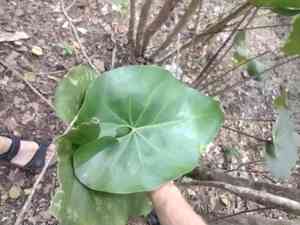
The Organ mountain laceleaf, recognized for its abundant, cordate foliage, thrives with trimming performed in early spring or late winter. Eliminate any deceased or discolored leaves to preserve the plant's well-being and enhance air movement. Cut back overly vigorous growth to manage its form and dimensions. Employ sanitized, keen implements to avert the spread of pathogens. Pruning stimulates fresh development and blooming, guaranteeing a lively presentation. Exercise restraint to prevent causing distress to the plant.
What Are the Benefits of Pruning Organ Mountain Laceleaf?
What Are the Benefits of Pruning Organ Mountain Laceleaf?
Pruning organ mountain laceleaf encourages robust development, maintains its form and dimensions, boosts disease resistance, and enhances its overall look, leading to a healthier, more resilient plant.
What Is the Best Time for Pruning Organ Mountain Laceleaf?
What Is the Best Time for Pruning Organ Mountain Laceleaf?
Trimming or cutting organ mountain laceleaf in early spring or late winter is ideal because the plant is typically dormant or just starting to emerge from dormancy. This timing minimizes stress on the plant as it's not actively growing or blooming, allowing it to recover more effectively and focus energy on strong new growth. Additionally, pruning during these seasons helps shape the plant and removes any damaged or dead growth accumulated over winter, resulting in a healthier and more attractive appearance when the active growing season begins.
What Tools Do I Need to Prune Organ Mountain Laceleaf?
Bypass Pruners
Perfect for cutting live stems and small branches up to half an inch thick. Their scissor-like action ensures a clean cut without crushing the stem.
Precision Scissors
Useful for detailed trimming and shaping due to their pointed tips. They assist in removing dead or discolored leaves with accuracy.
Sanitizing Solution
Crucial for disinfecting tools before and after pruning to prevent disease spread. A simple solution of 70% isopropyl alcohol or a 10% bleach solution works well.
How to Prune Organ Mountain Laceleaf
Preparation
Before starting, sterilize your pruning tools with a solution of one part bleach to nine parts water to prevent disease transmission.
Inspection
Examine organ mountain laceleaf carefully to identify diseased and withered leaves. Look for discoloration, spots, and limp or dried foliage indicative of these conditions.
Pruning Diseased Leaves
Using sterilized pruning shears, remove diseased leaves by cutting them off at the base. Ensure you cut into healthy tissue to minimize the risk of the disease spreading.
Pruning Withered Leaves
For withered leaves, prune by cutting them off at the base or where they connect to a healthy stem. Ensure a clean cut to allow for healthy regrowth.
Cleaning Up
Dispose of the pruned diseased and withered leaves properly by discarding them in a trash bag or compost if disease-free. Sterilize your tools again after use.
Common Pruning Mistakes with Organ Mountain Laceleaf
Improper technique
Using dull or unclean tools can harm the plant and introduce disease. Ensure tools are sharp and disinfected with a sanitizing solution before pruning.
Over-pruning
Removing too many leaves and stems at once can stress organ mountain laceleaf, hindering its ability to recover and grow. Always prune conservatively.
Incorrect placement of cuts
Cutting too close to the stem or leaving long stubs can cause dieback and increase vulnerability to pests and diseases. Make clean cuts just above a node or leaf junction.
Neglecting to remove dead or diseased parts
Failing to remove infected parts can lead to the spread of disease throughout organ mountain laceleaf. Regularly check for and promptly remove any signs of disease.
Ignoring the plant's natural shape
Pruning excessively without regard for organ mountain laceleaf's natural growth habit can result in an unattractive appearance. Aim to enhance the plantâs inherent structure.
Common Pruning Tips for Organ Mountain Laceleaf
Use sharp, clean tools
Always use sharp pruning shears or scissors, and sterilize them with rubbing alcohol before and after use to prevent the spread of disease.
Make precise cuts
Prune just above a node or leaf junction to encourage new growth. Avoid tearing or crushing the plant tissue.
Remove dead or yellowing leaves
Regularly trim away any dead or yellowing leaves to promote healthy growth and improve air circulation through the plant.
Thin out crowded areas
If certain parts of organ mountain laceleaf become too dense, thin them out to improve light penetration and reduce humidity, which can deter fungal growth.
Encourage balanced growth
Prune to maintain a balanced shape, ensuring that light can reach all parts of the plant. This encourages even growth and prevents one-sided development.
Observe the plant
Continuously monitor organ mountain laceleaf for any signs of stress or disease after pruning, and adjust your approach as necessary to support the plantâs health.



