How to Propagate Organ mountain laceleaf?
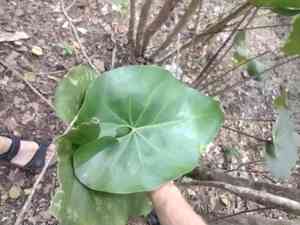
Organ mountain laceleaf flourishes in moist conditions and favors partial to complete shade. Reproduction is successfully accomplished via division or stem sections. The growing medium needs to remain damp yet adequately drained, possessing a rich organic composition. When propagating from seeds, select a light, aerated medium and sustain uniform dampness. Regulating temperature is vital, guaranteeing a warm setting to stimulate root development.
What Is the Best Time To Propagate Organ Mountain Laceleaf?
Propagation Type
Seeding
Propagation Season
Spring
What Tools Are Used in Organ Mountain Laceleaf Propagation?
Seedling Trays
Seedling trays offer a regulated setting for planting organ mountain laceleaf seeds, enabling superior control over watering and spacing. The individual sections help prevent crowding and ensure each seedling has ample room to grow.
Sterilized Seed Starting Mix
A sterile seed starting mix provides a pathogen-free medium that encourages robust germination and root growth. For organ mountain laceleaf, a mix that retains moisture well yet drains effectively is crucial.
Humidity Dome
A humidity dome maintains elevated humidity levels, which are vital for the germination of organ mountain laceleaf seeds. This device helps preserve moisture and warmth around the seedlings, promoting quicker and more vigorous development.
Spray Bottle
A spray bottle is utilized to gently water the seeds and young organ mountain laceleaf seedlings without displacing them. Consistent and careful misting prevents soil desiccation and ensures uniform moisture distribution.
Heat Mat
A heat mat delivers consistent bottom warmth, which is especially advantageous for the germination of organ mountain laceleaf seeds. Maintaining a stable, warm soil temperature accelerates germination rates and fosters healthy root development.
Labeling Stakes
Labeling stakes assist in tracking various organ mountain laceleaf seed batches and their germination dates. Proper labeling ensures precise monitoring and management of each plant's growth progression.
Small Trowel
A small trowel is useful for handling the delicate organ mountain laceleaf seedlings when transplanting them into larger containers or garden beds. It allows for precise and careful movement of seedlings, minimizing root damage.
How to Propagate Organ Mountain Laceleaf?
Propagation Type
Simple
How to Care for Your Newly Propagated Organ Mountain Laceleaf?
How to Care for Your Newly Propagated Organ Mountain Laceleaf?
After propagation, care for organ mountain laceleaf involves maintaining a warm, humid environment with indirect or filtered light. Water regularly, letting the top inch of soil dry between waterings. Fertilize with a balanced, water-soluble fertilizer every 4-6 weeks during the growing season. Continuously check for pests and diseases, and maintain high humidity using a pebble tray or humidifier to mimic the plant's natural tropical habitat.
Common Mistakes to Avoid When Propagating Organ Mountain Laceleaf
Overwatering
Excessive moisture can lead to root rot and fungal infections, hindering the plant's ability to establish new roots.
Underwatering
Insufficient moisture can cause the cuttings to dry out and fail to develop roots.
Improper Cutting Technique
Cutting too close to the node or damaging the stem can impair the plant's ability to produce roots.
Inadequate Humidity
Low humidity levels can prevent the cuttings from maintaining the necessary moisture levels for root development.
Using Unsuitable Soil
Poorly draining or nutrient-deficient soil can hinder root growth and increase the risk of rot.
Lack of Patience
Disturbing the cuttings too soon can disrupt root formation and reduce the chances of successful propagation.
Tips For Propagating Organ Mountain Laceleaf
Maintain Proper Moisture
Ensure the cuttings are kept moist but not waterlogged to facilitate root development.
Use Sterile Cutting Tools
Use clean, sharp tools to make precise cuts and reduce the risk of infection.
Select Healthy Cuttings
Choose healthy stems with at least one node to increase the likelihood of successful root formation.
Provide High Humidity
Use a humidity dome or mist the cuttings regularly to maintain high humidity levels.
Opt for Well-Draining Soil
Use a potting mix designed for tropical plants, ensuring good drainage to prevent root rot.
Be Patient
Allow sufficient time for roots to develop before disturbing the cuttings, usually several weeks.



