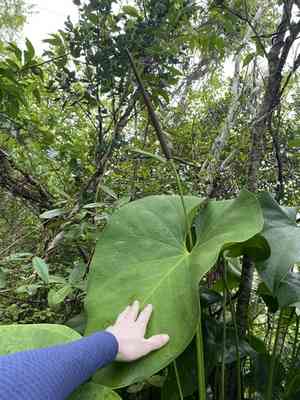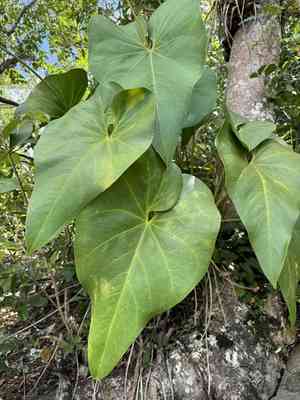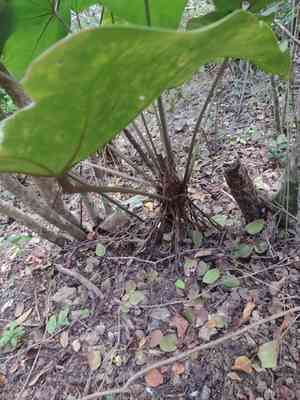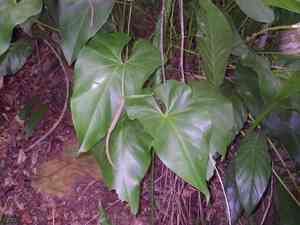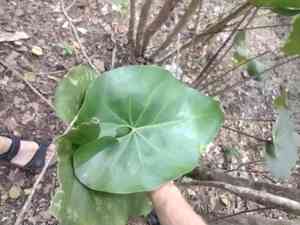
Organ mountain laceleaf(Anthurium cordatum)

Organ mountain laceleaf (Anthurium cordatum)

Also known as: Heart-shaped Anthurium, Paddle Anthurium

The Organ Mountain laceleaf (Anthurium organense) is distinguished by its broad, shiny, heart-shaped leaves that are typically dark green and sometimes have a reddish tint. This tropical plant, native to Brazil's Organ Mountains, flourishes in warm, humid environments. It thrives under bright, indirect light, similar to the filtered sunlight found in its natural rainforest habitat.

An epiphyte by nature, the Organ Mountain laceleaf often grows on trees or rocky surfaces, using its aerial roots to draw moisture and nutrients from the surrounding air. The plant prefers well-draining soil rich in organic matter and benefits from consistent moisture without becoming waterlogged. High humidity is crucial for its optimal growth.

Attributes of Organ mountain laceleaf

Lifespan
Perennial
Plant Type
Herb
Plant Height
40-60 cm
Spread
30-45 cm
Leaf Color
Dark green
Flower Size
5-20 cm
Flower Color
Green to reddish

ForwardPlant - Identify plants with a snap

Identify and diagnose plants, get toxicity alerts, and explore safety guides for all types of fungi.

Try for Free

Images of Organ mountain laceleaf

Organ mountain laceleaf(Anthurium cordatum)

Quickly Identify Organ mountain laceleaf

1
Anthurium cordatum can be identified by its large, heart-shaped leaves that are dark green and glossy. The plant produces spathes that vary in color from green to reddish hues and a protruding spadix.

Scientific Classification of Organ mountain laceleaf

Phylum
Vascular plants
Class
Monocotyledons
Order
Alismatales
Family
Arum
Genus
Laceleaf
Species
Organ mountain laceleaf

Planting and Growing of Organ mountain laceleaf

Care Difficulty
Moderate
Watering Schedule
Every 2 days
Sunlight Requirements
Partial sun
Sunshine Duration
4-8 hours
Ideal Temperature
70-85℉
Soil Type
Potting Mix, Peat Mix
Soil pH
6.5-7.5
Fertilizer Type
Balanced
Pruning Season
Spring, Summer
Pruning Area
Branches, Leaves
Pruning Frequency
2 times a year
Repotting Season
Spring
Pot Type
Plastic, Ceramic

water icon How to Water Organ mountain laceleaf?

Anthurium cordatum prefers moderate watering, allowing the top inch of soil to dry out between waterings. Ensure to water until it drips from the bottom of the pot, which usually means about 250 ml, to maintain humidity and proper soil moisture without waterlogging.
What are the symptoms of an underwatered Organ mountain laceleaf?
What should I do if my Organ mountain laceleaf is not getting enough water?
What are the symptoms of an overwatered Organ mountain laceleaf?
How to save an overwatered Organ mountain laceleaf?

sunlight icon What Are the Sunlight Requirements for Organ mountain laceleaf?

Sunlight Requirements: Partial sun
Duration of light: 4 to 6 hours
Partial sunlight exposure ensures Anthurium cordatum receives enough energy for robust growth without the risk of overexposure, sustaining its vibrant appearance and strong health.
What is the optimal lighting for Anthurium cordatum?
How can I ensure my Anthurium cordatum receives ideal light?
Benefits of providing ideal lighting for Anthurium cordatum?

temperature icon What Is the Ideal Temperature Range for Organ mountain laceleaf?

Ideal Temperature: 70 ~ 85℉
Anthurium cordatum thrives best in temperatures ranging from 70°F to 85°F. This range facilitates optimal growth, encouraging proper leaf formation and healthy root development. Maintaining such temperatures ensures the plant's photosynthetic processes run efficiently, especially when coupled with adequate humidity levels. Adequate monitoring of your local environment can help in maintaining this value, especially when seasonal changes affect indoor temperatures.

soil icon What Soil is Best for Organ mountain laceleaf?

Soil type: Peat soil, Loam, Sandy loam
Soil PH: 6.5 ~ 7.5
Anthurium cordatum thrives in soil that retains moisture without becoming waterlogged. The ability to hold moisture ensures the roots have constant access to water, which is vital for the plant's lush foliage and vibrant blooms. A rich, organic composition in the soil provides the necessary nutrients for the healthy growth of Anthurium cordatum. This nutrient availability supports strong root development and enhances the plant's natural beauty. The soil must have good drainage to prevent water from collecting around the roots, which could lead to root rot. Proper drainage maintains a balance of moisture and air around the root system of the plant.

fertilize icon How to Fertilize Organ mountain laceleaf?

Fertilizer type: Balanced
Anthurium cordatum typically requires a balanced fertilizer with an N-P-K ratio of 20-20-20. For liquid fertilizer, use a diluted solution at a strength of 1/4 teaspoon per gallon of water to prevent any root burn.

prune icon How to Prune Organ mountain laceleaf?

Pruning Time: Spring
Inspect the plant for any yellowing or dead leaves. Cut them close to the base but avoid cutting the main stem, as this could harm the plant. Check for any stems that are growing too long or in unwanted directions. Trim these back to a point just above a node to encourage new shoots. Focus on pruning areas where you want bushier growth. Pruning above leaf nodes prompts the growth of new stems and leaves, enhancing the plant's fullness. More About Pruning Techniques

propagate icon How to Propagate Organ mountain laceleaf plant?

Propagate Time: Spring, Early Summer
1
Ensure the parent plant is healthy and well-watered a day before propagation. This ensures the plant is less stressed and can recover quickly.
2
Use your sterilized knife or pruners to cut 4-6 inch sections of stem, ensuring each has a node from which roots can develop.
3
Plant the divisions or cuttings into a potting mix and water them lightly to settle the soil around the new plant.
More About Propagating Techniques

repot icon How to Repot Organ mountain laceleaf plant?

Repotting frequency: Every 1-2 years
1
Anthurium cordatum should be repotted when you notice roots growing out of the pot's drainage holes or the soil drying out faster. These signs mean your plant has outgrown its home, indicating it’s time to move to a larger pot. Ideally, this process happens every 1-2 years during its growth seasons.
2
Pick a pot that is 1-2 inches larger in diameter than the current one. Consider pots with good drainage holes to prevent waterlogging, which can cause root rot. Materials like clay or terracotta are beneficial as they allow for better air circulation.
3
Opt for a well-draining, airy mix rich in organic matter. A blend of orchid bark, perlite, and peat moss is perfect. This composition supports healthy root growth and prevents compacted soil, allowing for optimal nutrient absorption.

ForwardPlant - Identify plants with a snap

Find the best spots for them to optimize their health, simply using your phone.

Try for Free

Toxicity

Ingestion

Identify toxic plants for your safety

Learn which plants are harmful to you and your pets, and make informed choices for a safer home!

Try for Free
WARNING
The judgment on toxicity and danger is for reference only. We DO NOT GUARANTEE any accuracy of such judgment. Therefore, you SHALL NOT rely on such judgment. It is IMPORTANT TO SEEK PROFESSIONAL ADVICE in advance when necessary.