How to Prune Pygmy pussytoes?
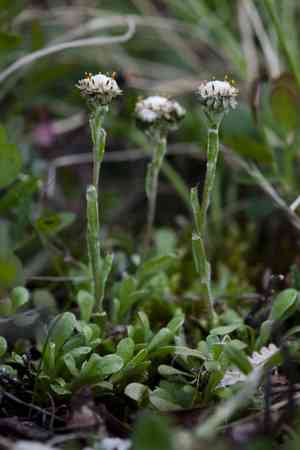
Pygmy pussytoes, recognized for its diminutive, silvery leaves and ground-hugging habit, thrives with trimming during the spring and summer seasons. Initiate the process by cutting away any deceased or compromised sections to stimulate robust new stems. Perform a gentle shearing to preserve its dense shape and foster more abundant development. After blooming, prune to control its dimensions and avert an elongated appearance. Consistent trimming averts excessive density and boosts general vitality. Employ sharp, sanitized implements to preclude the spread of pathogens and guarantee accurate incisions.
Advantages of Trimming Pygmy Pussytoes
Advantages of Trimming Pygmy Pussytoes
Pygmy pussytoes thrives with trimming, promoting vigorous growth and maintaining its form. Pruning helps manage its compact shape, encourages healthier foliage, and fosters dense, robust development, ensuring it remains visually appealing and resistant to pests and diseases.
Optimal Period for Pruning Pygmy Pussytoes
Optimal Period for Pruning Pygmy Pussytoes
Spring and summer are ideal for trimming pygmy pussytoes as this aligns with its active growth phase. Pruning during these seasons stimulates new growth, enhances the plant's structure, and improves air circulation. Furthermore, it lowers the risk of disease and pest infestation since the plant can recover more efficiently during its active growing period. Avoiding pruning in late autumn and winter is crucial as it may lead to frost damage and hinder the plant's natural dormancy process.
Essential Tools for Pruning Pygmy Pussytoes
Bypass pruners
Perfect for precise cuts needed for pygmy pussytoes. Bypass pruners create clean cuts that heal quickly, minimizing harm to the plant.
Sharp scissors
For delicate and intricate trimming tasks on pygmy pussytoes, sharp scissors offer control and accuracy to snip small leaves and stems.
Handheld pruners
Suitable for cutting back larger growth and shaping pygmy pussytoes. They can manage thicker stems without causing damage.
Gardening gloves
Protective gloves ensure safety when handling pygmy pussytoes, preventing injuries from sharp tools and shielding hands from rough textures.
How to Prune Pygmy Pussytoes
Examine
Start by thoroughly examining pygmy pussytoes to identify all diseased leaves, withered leaves, and diseased stems that require trimming.
Sanitize
Sterilize your pruning tools with rubbing alcohol to prevent the spread of disease.
Remove Diseased Leaves
Carefully cut back any leaves showing signs of illness, ensuring to trim below the affected area to healthy tissue.
Remove Withered Leaves
Trim back any withered or dead leaves at their base to encourage healthy growth and improve air circulation.
Remove Diseased Stems
Cut back any diseased stems, making the cut at least one inch below the affected area to promote recovery and prevent further spread of disease.
Common Pruning Errors with Pygmy Pussytoes
Excessive pruning
Removing too much foliage can stress pygmy pussytoes and hinder growth. It's important to remember that this plant has a small stature and does not require extensive trimming.
Incorrect technique
Using dull or dirty tools can damage the plant tissue, leading to disease or poor growth. Always use sharp, sterilized scissors or shears.
Pruning at improper angles
Cutting at incorrect angles can cause water to accumulate on the cut surfaces, leading to rot. Always make clean cuts at an angle to allow for proper drainage.
Ignoring diseased or dead tissue
Failing to remove dead or diseased foliage can result in the spread of pathogens, compromising the plant's health.
General Pruning Advice for Pygmy Pussytoes
Minimal trimming
Given pygmy pussytoes's small, ground-cover growth habit, minimal pruning is generally required. Focus on maintaining its natural shape by lightly trimming the outer edges.
Sanitize tools
Always clean and sanitize pruning tools before and after use. This reduces the risk of disease transmission.
Selective removal
Target removal of dead, damaged, or diseased leaves. This encourages healthy growth and prevents potential disease spread.
Regular inspection
Regularly inspect pygmy pussytoes for any signs of disease or damage, and address these issues promptly to maintain plant health.



