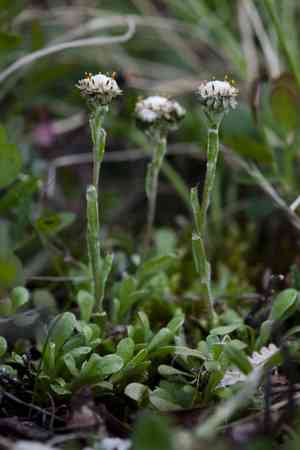
Pygmy pussytoes (Antennaria monocephala)
Also known as: Pussytoes
Antennaria monocephala is a petite herb, usually not exceeding 15 cm in height. It features distinct male and female flowers on separate plants, with some populations composed entirely of female plants.
In This Article
Attributes of Pygmy pussytoes
Lifespan
Perennial
Plant Type
Herb
Plant Height
5 to 15 cm
Spread
N/A
Leaf Color
Gray-green
Flower Size
0.5 to 1 cm
Flower Color
White or pinkish
Images of Pygmy pussytoes
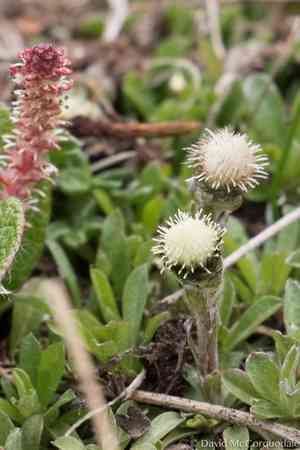
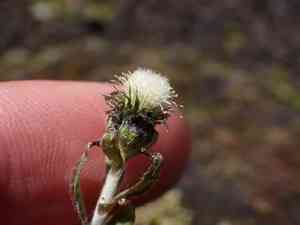
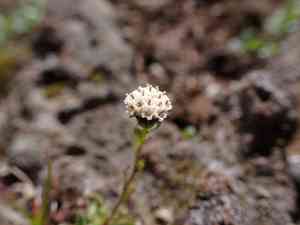
Quickly Identify Pygmy pussytoes
1
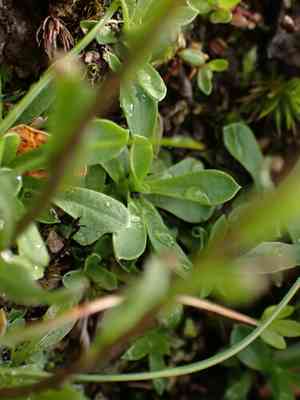
Identifying Antennaria monocephala involves looking for its distinctive woolly, gray-green leaves that form a basal rosette. The plant typically has a single flower head which is white or sometimes pinkish, appearing fuzzy due to the tiny hairs.
Scientific Classification of Pygmy pussytoes
Phylum
Vascular plants
Class
Dicotyledons
Order
Asterales
Family
Daisy
Genus
Everlasting
Species
Pygmy pussytoes
Planting and Growing of Pygmy pussytoes
Care Difficulty
Easy
Watering Schedule
Every 2 days
Sunlight Requirements
Full sun
Sunshine Duration
4-6 hours
Ideal Temperature
50-77℉
Soil Type
Potting Mix, Peat Mix
Soil pH
6.5-7.5
Fertilizer Type
Balanced
Pruning Season
Spring, Summer
Pruning Area
Branches, Leaves
Pruning Frequency
Once a year
Repotting Season
Spring
Pot Type
Plastic, Ceramic
 How to Water Pygmy pussytoes?
Antennaria monocephala prefers a moderate watering regimen. Water about 200 ml per session, ensuring the soil feels evenly moist but not soggy. This balance is crucial to simulate its natural alpine habitat.
What are the symptoms of an underwatered Pygmy pussytoes?
›
What should I do if my Pygmy pussytoes is not getting enough water?
›
What are the symptoms of an overwatered Pygmy pussytoes?
›
How to save an overwatered Pygmy pussytoes?
›
 What Are the Sunlight Requirements for Pygmy pussytoes?
Antennaria monocephala thrives with 6 to 8 hours of sun daily, balancing vital energy for proper flowering and maintaining foliage health.
How much light does Antennaria monocephala prefer?
›
How can I ensure ideal light conditions for Antennaria monocephala?
›
What are the benefits of ideal light for Antennaria monocephala?
›
 What Is the Ideal Temperature Range for Pygmy pussytoes?
For optimal growth, Antennaria monocephala should be maintained in environments with temperatures ranging from 50 to 77 degrees Fahrenheit. These temperatures support healthy photosynthesis and metabolic processes, ensuring the plant's vibrant foliage and robust growth.
 What Soil is Best for Pygmy pussytoes?
Antennaria monocephala thrives in well-draining soils. Proper drainage prevents waterlogging, which can lead to root rot. This is vital for the plant's health, as excessive moisture can stunt growth and cause disease. While Antennaria monocephala can tolerate low nutrient levels, a moderate amount of nutrients in the soil ensures robust growth and flowering. This balance is important to avoid lush growth that can attract pests. The plant benefits from soil that remains aerated, allowing roots to access oxygen efficiently. Aerated soil prevents compaction and supports a healthy root system, crucial for the plant's vigor.
 How to Fertilize Pygmy pussytoes?
For Antennaria monocephala, a sparing approach to fertilization is wise. Use a diluted liquid fertilizer, at half the recommended strength for most plants. This plant thrives in nutrient-poor soils, so over-fertilizing can cause significant harm.
 How to Prune Pygmy pussytoes?
Begin by identifying any dead or diseased stems on Antennaria monocephala. Carefully remove them using your pruning shears, cutting just above a healthy leaf node or stem junction. Prune to maintain the desired shape and size of Antennaria monocephala. Make cuts above the leaf nodes to guide new growth in the direction you’d prefer, encouraging a bushy, compact form. After the flowering period, trim spent flower heads to encourage new growth and potentially another flush of flowers. This technique helps keep the plant vigorous and visually appealing.
More About Pruning Techniques→
 How to Propagate Pygmy pussytoes plant?
1
Fill seed trays with a well-draining potting mix, sprinkle the Antennaria monocephala seeds on the surface, and lightly cover them with soil. Keep the tray in a warm, bright location and ensure the soil remains moist.
2
Carefully remove the Antennaria monocephala from the soil and gently pull apart the plant into smaller sections, ensuring each section has a good root system. Replant each division promptly to avoid root drying.
3
After planting the seeds or divisions, water them gently without washing away the soil. Maintain regular watering schedules to keep the soil consistently moist but not waterlogged.
 How to Repot Pygmy pussytoes plant?
1
Repot when you notice that Antennaria monocephala's roots are circling the bottom of the container or protruding through the drainage holes. Additionally, if the plant shows signs of stunted growth or requires frequent watering due to the soil drying out too quickly, it is time to repot. Late spring is ideal as the plant enters its active growth phase.
2
Select a pot that is one size larger than the current pot with good drainage holes. Opt for a porous material like terracotta, which allows for breathability, preventing root rot and encouraging healthier root system development.
3
Utilize a well-draining sandy soil mix to prevent waterlogged conditions. Such soil ensures sufficient aeration and quick drainage, mimicking the plant's natural habitat and reducing risks of overwatering and root diseases.



