How to Propagate Pygmy pussytoes?
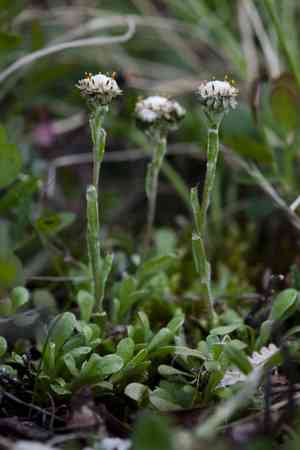
Antennaria microphylla is a herbaceous perennial native to high-altitude and polar environments. It flourishes in porous, stony substrates that receive ample solar exposure. To propagate, meticulously plant seeds in a free-draining substrate, barely covering them with earth. Sustaining soil dampness without saturation is crucial for effective sprouting. Given its fragile constitution, manage nascent sprouts with care during any relocation.
Optimal Period for Pygmy Pussytoes Propagation
Propagation Method
Seeding
Propagation Period
Spring
Essential Tools for Pygmy Pussytoes Propagation
Seed Tray
Beneficial for indoor seed starting. Its sections keep seeds organized and offer a controlled setting to observe germination rates. Crucial for giving pygmy pussytoes a strong beginning.
Premium Potting Mix
Acts as a substrate for seeds to sprout and develop. For pygmy pussytoes, a mix that drains well is vital to avoid waterlogging, which can cause root decay.
Humidity Dome
Placed over the seed tray to maintain consistent moisture levels. This is important for the germination of pygmy pussytoes's seeds, which may need a stable damp environment to emerge.
Spray Bottle
Enables gentle irrigation of seeds without disturbing the soil. This helps preserve the delicate moisture balance required for successful pygmy pussytoes germination.
Grow Lights
Supply artificial illumination to ensure seedlings get enough light for photosynthesis, especially if natural light is insufficient. This guarantees that pygmy pussytoes develops into healthy, sturdy seedlings.
Seedling Heat Mat
Positioned beneath the seed tray to maintain a steady germination temperature. For pygmy pussytoes, this can accelerate the germination process by providing a warm environment.
Labels and Markers
Utilized to identify different seed types or planting dates. This aids in tracking pygmy pussytoesâs propagation, simplifying the management of various batches.
Small Trowel
Useful for transplanting seedlings once they have grown robust enough. Ensures minimal root disruption when moving pygmy pussytoes from seed trays to outdoor beds or larger containers.
Soil Thermometer
Assists in monitoring soil temperature, ensuring it is ideal for pygmy pussytoesâs seed germination and seedling growth. Maintaining the correct temperature is critical for successful propagation.
How to Propagate Pygmy Pussytoes?
Propagation Difficulty
Easy
Post-Propagation Care for Pygmy Pussytoes
Post-Propagation Care for Pygmy Pussytoes
Water young plants moderately, preventing saturation. Ensure they receive ample sunlight, but shield them from intense midday sun. As plants mature, reduce watering to occasional moisture, as pygmy pussytoes is drought-tolerant. Mulch around plants to retain soil moisture and temperature. Regularly inspect for pests and diseases, though pygmy pussytoes is generally low-maintenance.
Common Errors to Avoid When Propagating Pygmy Pussytoes
Excessive Watering
Too much water can lead to root decay, which is detrimental to pygmy pussytoes's health and propagation success.
Inappropriate Soil Mix
Using soil that holds too much moisture or lacks proper drainage can suffocate roots and hinder development.
Insufficient Light
Propagation in low light conditions impedes root development and overall plant vigor.
Neglecting Plantlets
Failing to properly care for the separated plantlets or cuttings can result in weakened or dead plants.
Incorrect Cutting Technique
Taking cuttings improperly or at the wrong spot can reduce the chances of successful propagation.
Advice for Propagating Pygmy Pussytoes
Moderate Watering
Water moderately and allow the soil to dry out between waterings to prevent root rot.
Well-Draining Soil
Utilize a well-draining soil mix to ensure that the roots do not remain waterlogged.
Sufficient Light
Provide plenty of indirect sunlight to encourage healthy growth and robust root systems.
Careful Handling
Handle plantlets or cuttings gently to avoid damaging them and ensure they remain in good condition.
Proper Cuttings
Use sterilized tools and make clean cuts at the correct point to improve the chances of successful rooting.



