How to Prune Crested anoda?
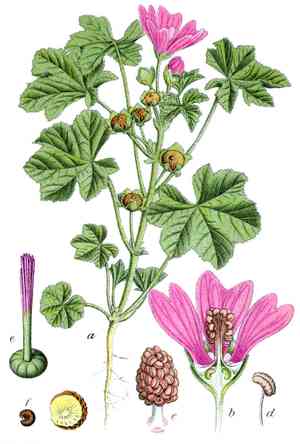
A prominent herbaceous plant frequently encountered in cultivated areas, crested anoda thrives with regular trimming to control its development and lessen its rivalry for essential elements. Trimming should be performed in Spring, Summer, and Fall to foster robust development and an attractive shape. Pinching off the ends can stimulate a denser growth habit. Immediately remove any withered or ailing leaves. Periodic trimming boosts the plant's visual attractiveness and general well-being by improving air movement and light penetration.
What Are the Benefits of Pruning Crested Anoda?
What Are the Benefits of Pruning Crested Anoda?
Trimming crested anoda promotes robust development and maintains its desired form. By selectively cutting back overgrown branches, air circulation improves, lowering disease risk and fostering a stronger plant structure for enhanced blooming and fruiting.
What Is the Best Time for Pruning Crested Anoda?
What Is the Best Time for Pruning Crested Anoda?
Pruning crested anoda in late Spring encourages vigorous growth by eliminating dead or overwintered plant parts that could harbor pests or diseases. Early Summer pruning is ideal as it allows crested anoda to recover quickly during active growth periods, boosting flowering or fruit production. Early Fall pruning is recommended for crested anoda to remove spent blooms and prevent seed dispersal; however, it's crucial to avoid late Fall pruning to protect new growth from frost. These seasons ensure the plant stays healthy and well-shaped while aligning with its natural growth cycle.
What Tools Do I Need to Prune Crested Anoda?
Hand Pruners
Perfect for making precise cuts on crested anoda, hand pruners are suitable for trimming smaller stems and branches. Since crested anoda has relatively soft stems, bypass pruners, which create clean cuts and encourage healthy regrowth, are especially effective.
Pruning Shears
Crested anoda may have multiple stems needing shaping or thinning. Pruning shears are excellent for snipping through thinner stems and leaves, helping maintain the plant's desired shape and density.
Gloves
When trimming crested anoda, it's important to shield hands from any potential skin irritation or injury. Durable gloves provide a secure grip on pruning tools and minimize the risk of scratches or cuts from the plant's stems.
How to Prune Crested Anoda
Disinfect tools
Before beginning, sanitize pruning shears or scissors to prevent disease transmission to crested anoda.
Identify withered leaves
Examine crested anoda closely to pinpoint all withered leaves that need removal.
Trim withered leaves
Carefully cut off withered leaves at their base where they connect to the stem or main branch, ensuring clean cuts without harming healthy tissues.
Dispose withered leaves
Remove and discard all trimmed withered leaves away from the plant to prevent potential disease spread.
Monitor health
Observe crested anoda after pruning to ensure it remains healthy and shows no signs of stress, indicating successful pruning.
Common Pruning Mistakes with Crested Anoda
Overpruning
Removing too much foliage at once can stress crested anoda, leading to poor growth and reduced flowering. Aim to remove only necessary parts in a single session.
Improper cutting
Incorrect cutting methods, such as tearing or making jagged cuts, can increase the risk of disease and damage to crested anoda. Use sharp tools for clean cuts.
Neglecting tools
Not sterilizing pruning tools before use can introduce pathogens to crested anoda. Clean and disinfect tools before and after use to prevent spreading diseases.
Ignoring shape
Pruning without considering the natural shape of crested anoda can result in an unattractive appearance. Always maintain the plant's natural form for the best aesthetic outcome.
Common Pruning Tips for Crested Anoda
Selective pruning
Carefully choose which stems to prune to enhance crested anoda's health and appearance. Remove only dead, diseased, or overcrowded stems to improve air circulation and light penetration.
Timing pruning activity
While the exact time is excluded, ensure to prune at appropriate times during the pruning season to foster vigorous growth and flowering in crested anoda.
Rejuvenating old plants
For older crested anoda, consider more aggressive pruning to rejuvenate growth. However, ensure this is done within the context of the plant's tolerance.
Encouraging flowering
To encourage blooming in crested anoda, selectively prune spent flowers and seed heads. This redirects energy to new flower production rather than seed development.



