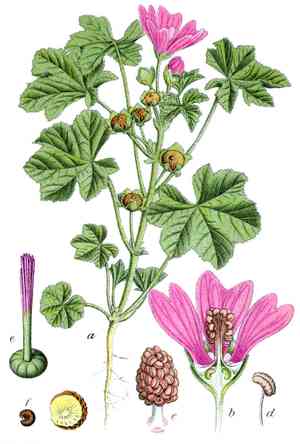
Crested anoda (Anoda cristata)
Also known as: Snowcup, Violettas, Cottonweed
The crested anoda is part of the mallow family, Malvaceae. This annual flowering plant blooms with small purple flowers from summer to fall and is occasionally regarded as an agricultural weed.
In This Article
Attributes of Crested anoda
Lifespan
Annual, Biennial, Perennial
Plant Type
Herb
Plant Height
70 cm to 1 m
Spread
30 cm to 40 cm
Leaf Color
Green
Flower Size
2 cm to 3 cm
Flower Color
Pink Purple
Images of Crested anoda
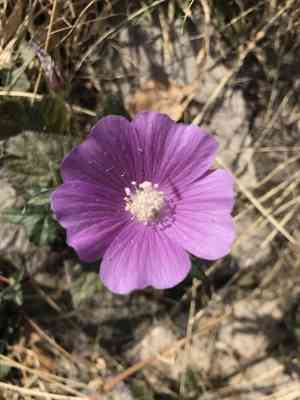
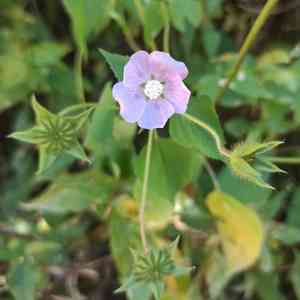
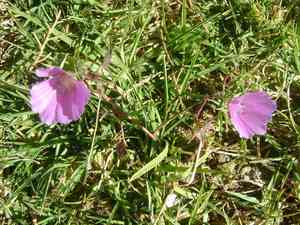
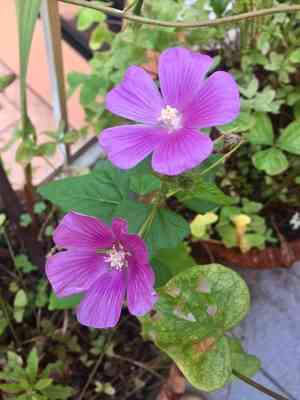
Quickly Identify Crested anoda
1
Anoda cristata can be identified by its distinctive lobed leaves, which are typically heart-shaped with serrated edges. The flowers are small, with blue-violet petals, and have a distinctive spur at the back.
Scientific Classification of Crested anoda
Phylum
Vascular plants
Class
Dicotyledons
Order
Malvales
Family
Mallow
Genus
Anoda
Species
Crested anoda
Planting and Growing of Crested anoda
Care Difficulty
Easy
Watering Schedule
Every 4 days
Sunlight Requirements
Full sun
Sunshine Duration
6-10 hours
Ideal Temperature
68-86℉
Soil Type
Potting Mix, Peat Mix
Soil pH
6.5-7.5
Fertilizer Type
Balanced
Pruning Season
Spring, Summer
Pruning Area
Branches, Leaves
Pruning Frequency
2 times a year
Repotting Season
Spring
Pot Type
Plastic, Terracotta
 How to Water Crested anoda?
Anoda cristata prefers a moderate watering schedule, where the soil should be kept lightly moist but not waterlogged. The goal is to provide around 250 ml of water per session, ensuring the water soaks into the soil but does not remain standing on the surface. The soil should feel damp to touch, like a wrung-out sponge.
What are the symptoms of an underwatered Crested anoda?
›
What should I do if my Crested anoda is not getting enough water?
›
What are the symptoms of an overwatered Crested anoda?
›
How to save an overwatered Crested anoda?
›
 What Are the Sunlight Requirements for Crested anoda?
Anoda cristata thrives best in locations offering full sun to partial sun, meaning at least 6 to 8 hours of light daily. Adequate light supports its flowering and contributes to the vibrant health of its foliage, ensuring vigorous and lush growth.
More About Sunlight Requirements Techniques→
Optimal Light Source
›
Adjusting Seasonal Light Exposure
›
Monitoring Light Intensity
›
 What Is the Ideal Temperature Range for Crested anoda?
What is the ideal temperature range for growing Anoda cristata? Anoda cristata thrives best in warm climates with temperatures ranging from 68°F to 86°F. This range provides optimal conditions for photosynthesis and growth. Consistently maintaining these temperatures helps ensure healthy development of the plant and maximum yield production.
 What Soil is Best for Crested anoda?
Anoda cristata thrives in well-drained soils which prevent waterlogging and root rot. This condition is beneficial for healthy root development and overall plant vigor, ensuring robust growth. The plant prefers soils with moderate fertility. Nutrient-rich soil supports the plant’s growth and flowering, enhancing its ornamental value and ecological contribution. Loamy soils retain moisture without becoming waterlogged, which is vital for Anoda cristata. Adequate moisture supports sustained growth and flowering during dry spells.
 How to Fertilize Crested anoda?
When fertilizing Anoda cristata, it is essential to apply a balanced fertilizer that provides equal parts nitrogen, phosphorus, and potassium. A typical application might be 20-20-20 formulation diluted to half-strength to avoid root burn. For pot-grown plants, a tablespoon per gallon of water is sufficient, whereas in-ground plants might require a slightly more concentrated mixture.
 How to Prune Crested anoda?
While pruning is beneficial, over-pruning can stress the plant, leading to reduced blooming and vigor. Ensure that no more than one-third of the plant's foliage is removed at any one time to prevent shock. It's vital to sterilize your pruning tools before each use to prevent the spread of diseases. Dip the blades in rubbing alcohol or a solution of bleach and water to ensure cleanliness.
More About Pruning Techniques→
 How to Propagate Crested anoda plant?
1
Collect seeds from mature Anoda cristata plants at the end of the growing season when the seed pods have dried and turned brown. This ensures that the seeds are viable and have reached full maturity, increasing germination success.
2
Sow the collected seeds onto a moistened seed tray filled with potting mix. Lightly cover the seeds with additional mix or vermiculite, ensuring they are not buried too deep, which can inhibit germination.
3
Place the seed tray in a location with indirect sunlight and maintain a temperature between 20-25°C (68-77°F). Keep the soil consistently moist but not waterlogged, using a spray bottle to avoid disturbing the seeds.
 How to Repot Crested anoda plant?
1
Anoda cristata should be repotted when it shows signs of being root-bound, such as roots growing through the drainage holes, or when the soil degrades and doesn't drain well anymore. Ideally, repot during the active growing season for less stress on the plant.
2
Select a pot that is only slightly larger than the current one to avoid overwatering issues. Ensure it has sufficient drainage holes to prevent waterlogged soil, which can lead to root rot.
3
A well-draining loamy mix is ideal, as it allows for adequate water and air flow to the roots. This type of soil prevents water from sitting on the roots, reducing the risk of root rot and promoting healthy growth.
Learn More About Crested anoda Diseases
Anthracnose
Bacterial Leaf Spot
Bacterial Wilt
Chemical Injury
Crown Gall
Damping-off
Downy Mildew
Drought Stress
Fusarium Wilt
Gray Mold
Leaf Curl
Leaf Spot
Mosaic
Nutrient Deficiency
Nutrient Toxicity
Powdery Mildew
Root Rot
Root-knot Nematode
Rusts
Sooty Mold
Spider Mites
Temperature Stress
Thrips Damage
White Mold



