How to Prune Flame acanthus?
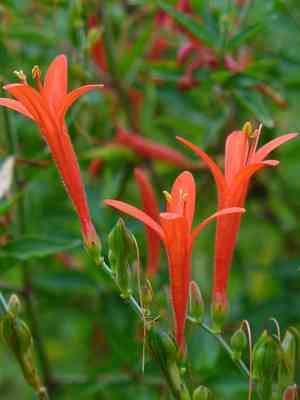
Originating from Texas and Mexico, flame acanthus is recognized for its vibrant reddish-orange flowers that draw hummingbirds. For optimal health and robustness, trim flame acanthus in late spring once blooming has concluded. Reduce its size by one-third to encourage a denser form and boost flower production. Eliminate any dead or compromised stems to foster the development of healthy new growth. Trimming in early summer can stimulate a subsequent flowering period. Consistently removing older branches revitalizes flame acanthus, prompting more abundant blossoms and maintaining an appealing structure.
What Are the Benefits of Pruning Flame Acanthus?
What Are the Benefits of Pruning Flame Acanthus?
Trimming flame acanthus promotes abundant flowering, cultivates a compact and visually appealing shape, and can decrease the chance of pest and disease infestations by eliminating old or damaged parts.
What Is the Best Time for Pruning Flame Acanthus?
What Is the Best Time for Pruning Flame Acanthus?
Trimming flame acanthus in late spring coincides with the period after frost, when the danger of cold harm to new growth is minimal. This timing allows the plant to recover and produce vigorous new shoots. Early summer is ideal as it typically follows the main blooming cycle of flame acanthus, thus pruning at this time encourages a second flush of flowers and removes spent blooms, which can stimulate further growth and flowering. Both seasons align with the plant's active growth phase, promoting faster healing of pruning cuts and reducing stress on flame acanthus. Additionally, pruning before the hottest part of the year means less water stress for flame acanthus as it recovers and rejuvenates.
What Tools Do I Need to Prune Flame Acanthus?
Hand Pruners
Crucial for making clean cuts on flame acanthus's smaller stems and branches, which aid in healthy regrowth. Opt for bypass pruners for their scissor-like action that provides a precise cut without crushing plant tissues.
Lopping Shears
Effective for cutting through thicker branches of flame acanthus that hand pruners cannot manage, typically up to 1.5 inches in diameter, allowing you to shape the plant and maintain its desired size.
Pruning Saw
Required for removing any branches over 1.5 inches thick that lopping shears cannot handle. A pruning saw makes it possible to manage flame acanthus's mature and woody growth.
Gloves
Protection for your hands while trimming flame acanthus to prevent scratches and irritation from the plant's stems and any sharp implements.
Sharpener
Maintaining the sharpness of cutting tools ensures precise cuts and reduces the risk of damaging flame acanthus's branches and leaving them vulnerable to disease.
How to Prune Flame Acanthus
Sterilization
Disinfect pruning tools before beginning to prevent the spread of disease to flame acanthus.
Removal
Carefully snip off any diseased or withered leaves and flowers from flame acanthus, ensuring cuts are clean to promote quick healing.
Dead Branches
Trim dead or diseased branches on flame acanthus back to the base or to a healthy outward-facing bud, to encourage new growth and improve air circulation.
Thinning
Reduce excessive growth branches on flame acanthus to maintain its shape and encourage light penetration and air flow, which are crucial for plant health.
Cleanup
Remove all trimmed material from around the base of flame acanthus to prevent disease and deter pests.
Common Pruning Mistakes with Flame Acanthus
Overpruning
Cutting back flame acanthus too severely can stress the plant, diminishing its vigor and flowering potential. It's important not to remove more than one-third of the plant's growth in a single trimming session.
Improper Cut Placement
Making cuts in the incorrect spot can harm flame acanthus. Cuts should be made just above leaf nodes or branching points to promote healthy new growth.
Neglecting Tools
Using dull or dirty tools can introduce disease and create rough cuts that are difficult for flame acanthus to heal. Always use sharp, clean pruning shears.
Ignoring Plant Structure
Failing to consider the natural shape and growth habit of flame acanthus can lead to an unnatural appearance and potentially damage its structure. Pruning should enhance the plant's form, not detract from it.
Excessive Debris
Leaving trimmed foliage or branches on or near flame acanthus can attract pests or diseases. Clean up all debris after pruning.
Common Pruning Tips for Flame Acanthus
Selective Pruning
Remove only the dead, diseased, or damaged branches to maintain flame acanthus's health. This focused approach encourages strong, healthy growth and abundant flowering.
Shape Maintenance
Trim back the stems lightly to shape flame acanthus and encourage bushier growth. This helps maintain an attractive plant shape and promotes more blooms.
Encourage New Growth
Prune flame acanthus's branches by cutting back to a set of leaves or a node, which stimulates new, healthy growth and can improve flowering.
Stimulate Flowering
Prune flame acanthus immediately after blooming has finished to encourage reblooming and to maintain the plant's vitality for the next season.
Plant Health Evaluation
Regularly assess the health of flame acanthus before pruning. This ensures that you are addressing any specific issues like suckers or water sprouts and contributes to the longevity of the plant.



