Enhancing Your Garden Design with the Flame acanthus Plant: A Landscaping Guide
1
Flame acanthus flourishes in bright areas and soil that drains effectively.
2
Consistent trimming is crucial for preserving its form and promoting development.
3
Integrating Flame acanthus with suitable companion plants can result in attractive garden designs.
Introducing Flame Acanthus to Your Landscape
Why is Flame Acanthus an excellent garden selection?
Flame acanthus is a adaptable and lively garden addition, providing both visual charm and durability across diverse climates. Its vivid blooms and robust character make it ideal for gardeners seeking vibrant hues without intricate upkeep. It withstands heat and drought, fitting many settings.
Aesthetic qualities of Flame Acanthus
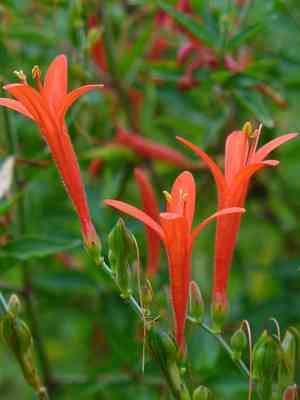
Regarding its visual appeal, Flame acanthus distinguishes itself with striking, tubular flowers that draw hummingbirds and butterflies. These blossoms typically appear in red and orange tones, injecting a splash of color into the scenery. The plant's dense foliage offers a lovely background, making it perfect for a garden centerpiece.
Choosing the Ideal Location for Flame Acanthus
Evaluating light and shade requirements
Flame acanthus flourishes best in areas receiving abundant sunlight. It's vital to ensure the chosen site gets a minimum of six hours of direct sun daily. While it can endure some shade, full sun encourages peak flowering. Shade can be helpful during the day's hottest period in very warm regions.
Soil type and preparation for peak development
Soil readiness is key for Flame acanthus's prosperity. This plant favors soil that drains well to avoid root decay. Prior to planting, enriching the soil with compost or organic material is recommended to boost its nutrient levels. If your garden has dense clay soil, consider incorporating sand or grit to improve drainage.



