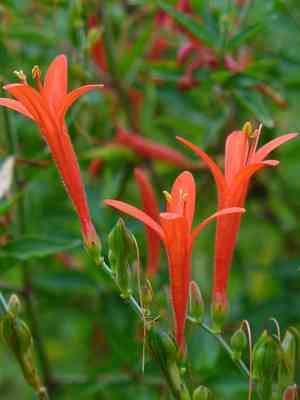
Flame acanthus (Anisacanthus quadrifidus)
Also known as: Hummingbird bush, Texas firecracker, Wright anisacanth, Texas firecracker plant
Flame acanthus has surged in landscaping popularity due to its striking orange-red flowers that bloom throughout summer, attracting hummingbirds and butterflies. Its vibrant appearance and ability to draw wildlife make it highly appealing. Additionally, its resilience to drought and low maintenance needs enhance its desirability for gardeners and landscapers alike.
In This Article
Attributes of Flame acanthus
Lifespan
Perennial
Plant Type
Shrub
Plant Height
1.2 m
Spread
1 m
Leaf Color
Dark Green
Flower Size
2.5 cm
Flower Color
Red Orange
Images of Flame acanthus
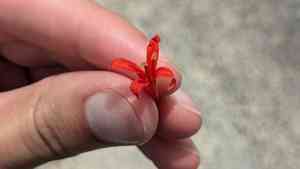
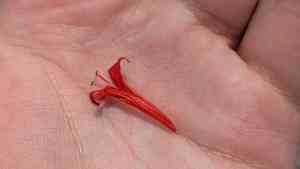
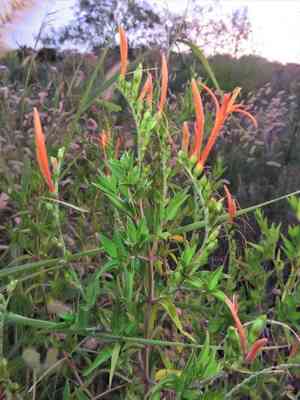
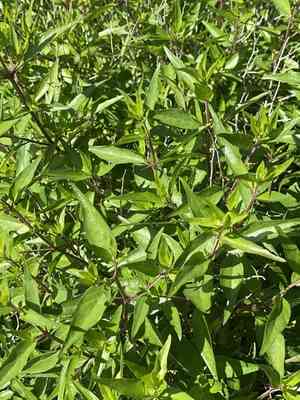
Quickly Identify Flame acanthus
1
Look for its bright orange to red tubular flowers and dark green, lanceolate leaves. The stems are often woody, especially near the base.
Scientific Classification of Flame acanthus
Phylum
Vascular plants
Class
Dicotyledons
Order
Lamiales
Family
Acanthus
Genus
Desert honeysuckles
Species
Flame acanthus
Planting and Growing of Flame acanthus
Care Difficulty
Easy
Watering Schedule
Every 2 days
Sunlight Requirements
Full sun
Sunshine Duration
6-10 hours
Ideal Temperature
65-85℉
Soil Type
Potting Mix, Peat Mix
Soil pH
6.5-7.5
Fertilizer Type
Balanced
Pruning Season
Spring, Summer
Pruning Area
Branches, Leaves
Pruning Frequency
2 times a year
Repotting Season
Spring
Pot Type
Plastic, Ceramic
 How to Water Flame acanthus?
Anisacanthus quadrifidus prefers to be watered thoroughly and deeply, ensuring that the soil is moist but not soggy. A good rule of thumb is to water until excess starts to drain from the pot's bottom, making sure to discard any excess. This ensures the roots receive a consistent supply of water, mimicking their natural arid habitat interspersed with occasional rainstorms.
What are the symptoms of an underwatered Flame acanthus?
›
What should I do if my Flame acanthus is not getting enough water?
›
What are the symptoms of an overwatered Flame acanthus?
›
How to save an overwatered Flame acanthus?
›
 What Are the Sunlight Requirements for Flame acanthus?
Anisacanthus quadrifidus ideally needs full sun exposure for at least six to eight hours daily. This light range supports optimal photosynthesis, leading to lush growth and abundant blooms that enhance garden aesthetics.
More About Sunlight Requirements Techniques→
How much sun is ideal for Anisacanthus quadrifidus?
›
What if my garden receives partial sun?
›
Can I grow it indoors with artificial light?
›
 What Is the Ideal Temperature Range for Flame acanthus?
The ideal temperature range for growing Anisacanthus quadrifidus is between 65 and 85 degrees Fahrenheit. This range supports healthy growth and flowering, as temperatures within this span promote optimal photosynthesis and nutrient uptake, ensuring the plant maintains its vibrant appearance and bloom potential.
 What Soil is Best for Flame acanthus?
Anisacanthus quadrifidus thrives in well-drained soil that prevents waterlogging. Excess moisture can lead to root rot, so proper drainage is crucial. Retaining slight but consistent moisture helps support healthy growth without causing stress. Providing soil with moderate nutrient levels supports the flowering capability of Anisacanthus quadrifidus. It doesn't require extremely rich soil but benefits from a balanced nutrient composition which ensures vibrant blooms. While generally favorable to neutral pH, this plant tolerates slightly alkaline conditions. This flexibility allows for adaptability in various gardening conditions, making it a resilient choice for different landscapes.
 How to Fertilize Flame acanthus?
For Anisacanthus quadrifidus, a modest approach to fertilization works best. Use about 1/4 to 1/2 of the recommended dose on the fertilizer package for liquid fertilizers. Solid fertilizers should be used sparingly, up to 90 to 120 grams per application depending on the plant's size and health.
 How to Prune Flame acanthus?
First, inspect your Anisacanthus quadrifidus for any dead or damaged stems. These should be cut back to the base or to healthy green growth. Removing these stems improves the overall health of the plant and reduces the risk of pest infestations. Next, assess the overall shape of the plant. Trim back any stems that are growing erratically or that disrupt the plant's natural form. This step not only keeps the plant attractive but also ensures that light reaches all parts evenly, promoting uniform growth. To encourage bushier growth, make cuts just above leaf nodes. This technique stimulates the production of new shoots, resulting in a denser and fuller plant. Be precise with your cuts to maximize the plant's ability to respond with vigorous growth.
More About Pruning Techniques→
 How to Propagate Flame acanthus plant?
1
Collect mature seeds from dry pods. Ensure that seeds are free from disease and pests. Soak them overnight in water to enhance germination.
2
Select healthy stems and cut 4-6 inches pieces using sterilized pruning shears. Remove the lower leaves and dip the cut end in rooting hormone before planting.
3
Place seeds in a tray filled with a seed-starting mix, and cover lightly with soil. For cuttings, plant them in a potting mix and water thoroughly.
 How to Repot Flame acanthus plant?
1
Repot Anisacanthus quadrifidus when roots begin to grow through the drainage holes, or when growth noticeably slows. Spring or early summer is ideal, as the plant is actively growing and can recover more quickly from the stress of repotting.
2
Select a pot that is just one size larger than the current one with drainage holes. This ensures that the plant has room to grow without being overpotted, which can cause waterlogging and root rot. A terracotta pot is beneficial as it allows the soil to dry out more easily, preventing overwatering.
3
Use a well-draining potting mix tailored for cacti and succulents. This type of soil optimizes drainage and is light, allowing roots to breathe and avoid rot, while its porosity ensures that excess moisture evaporates swiftly.
Learn More About Flame acanthus Diseases
Anthracnose
Bacterial Leaf Spot
Bacterial Wilt
Black Spot
Chemical Injury
Crown Gall
Damping-off
Downy Mildew
Drought Stress
Fusarium Wilt
Gray Mold
Leaf Curl
Leaf Spot
Mosaic
Nutrient Deficiency
Nutrient Toxicity
Powdery Mildew
Root Rot
Root-knot Nematode
Rusts
Sooty Mold
Spider Mites
Temperature Stress
Thrips Damage
White Mold



