How to Prune Lyall's angelica?
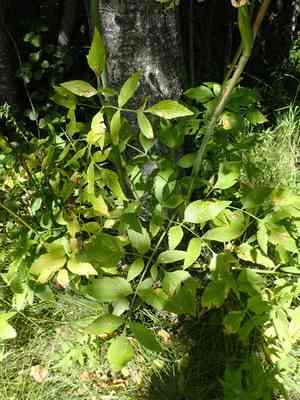
Lyall's angelica exhibits lofty, hollow stalks and clusters of white blossoms. Essential trimming methods involve eliminating deceased or compromised stems to foster robust development and sculpt the plant for visual attractiveness. The most effective time for pruning is in late winter or early spring, coinciding with its inactive phase. Consistent trimming improves air circulation, lowering the likelihood of illness, and strengthens the plant's general framework. Always employ sanitized, sharp implements to avert contamination and ensure precise incisions.
What Are the Benefits of Pruning Lyall's Angelica?
What Are the Benefits of Pruning Lyall's Angelica?
Trimming lyall's angelica encourages robust development and assists in maintaining a desired form. It improves appearance, manages size, and lessens pest and disease problems.
What Is the Best Time for Pruning Lyall's Angelica?
What Is the Best Time for Pruning Lyall's Angelica?
Trimming lyall's angelica in early spring or late winter aligns with its dormant phase, which is vital for reducing plant stress. During dormancy, lyall's angelica is less prone to excessive sap loss or significant harm. Additionally, pruning during these periods helps shape the plant before spring's vigorous growth, fostering a healthier branch structure and more abundant blooms. These timings also allow gardeners to remove any damaged or dead wood from winter, ensuring lyall's angelica can direct energy into new growth as temperatures rise.
What Tools Do I Need to Prune Lyall's Angelica?
Pruning Shears
Perfect for making clean cuts on lyall's angelica stems. Useful for removing dead or damaged stems and for general light trimming.
Bypass Pruners
Especially useful for precise cuts near the plant's base without crushing the stem. Excellent for preserving the plant's natural shape.
Loppers
Effective for cutting thicker stems and branches of lyall's angelica. Useful for winter pruning when more substantial cutting may be needed.
Pruning Knife
Helpful for fine and delicate cuts, particularly when dealing with small or intricate parts of lyall's angelica. Ensures precision and minimal plant stress.
Hand Saw
Necessary for cutting through the thicker, woody sections of lyall's angelica that are too large for pruning shears or loppers. Ensures clean cuts without harming the plant.
How to Prune Lyall's Angelica
Identify
Examine lyall's angelica for diseased foliage, withered leaves, and any signs of pest infestation. This will ensure you know precisely which parts require attention.
Clean
Sanitize your pruning tools with isopropyl alcohol to prevent the spread of disease.
Trim diseased
Remove diseased leaves by cutting at the base of the petiole where it meets the stem. Make sure to dispose of these leaves away from the plant area to avoid contamination.
Trim withered
Cut withered leaves at the base of the petiole, following the same procedure as with diseased leaves. This helps maintain the plant's health and appearance.
Monitor
After pruning, monitor lyall's angelica regularly for new signs of disease or withering to ensure early intervention and ongoing plant health.
Common Pruning Mistakes with Lyall's Angelica
Improper technique
Using dull or dirty tools can harm the plant. Ensuring clean, sharp cuts is vital to avoid wounds that can invite disease or pests.
Over-pruning
Removing too much foliage at once can stress lyall's angelica, hindering its growth and reducing flowering. It's important to prune only what’s necessary.
Poor plant knowledge
Not understanding the natural growth habit of lyall's angelica can lead to mistakes. For instance, cutting back stems that should be left to support the plant may cause structural weakness.
Wrong pruning height
Pruning too low can damage the main stems, while cutting too high may leave unattractive stubs and disrupt the natural form.
Common Pruning Tips for Lyall's Angelica
Use proper tools
Use sharp, clean pruning shears or loppers to make clean cuts. Sterilize tools with rubbing alcohol before use to prevent disease transmission.
Remove dead or diseased wood
Carefully prune away any dead, damaged, or diseased stems. This helps improve air circulation and overall plant health.
Shape gently
When shaping lyall's angelica, follow the plant's natural form. Remove only small amounts to maintain structure without over-stressing the plant.
Focus on thinning
Thinning out crowded stems can help light penetrate the canopy, encouraging healthier growth and better flowering.
Prune selectively
Target specific stems that are weak or crossing over others. Prune at a slight angle just above a bud facing outward to direct new growth outward.



